








































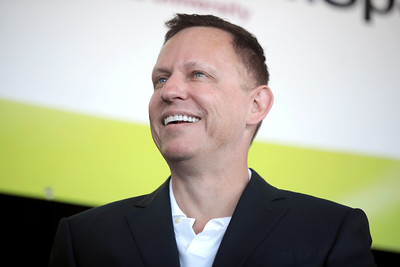
In recent years, his discussion of an “Antichrist theory,” particularly in lectures associated with Rome, has sparked widespread attention. Unlike traditional religious interpretations, Thiel’s perspective reframes the Antichrist as a force that could appear peaceful and unifying, rather than openly destructive.
This article provides a comprehensive, original analysis of his theory, its philosophical roots, the reaction it has generated, and how institutions like the Vatican have approached the broader discussion.
What Is Peter Thiel’s Antichrist Theory?
Peter Thiel suggests that the Antichrist may emerge not as a figure of chaos, but as one promoting false peace and global unity that could mask deeper risks to freedom and truth.
Key Takeaways
- Thiel reinterprets the Antichrist as a symbol of false peace
- His ideas are influenced by philosophy and theology
- The Rome lectures amplified global discussion
- Critics question the practical relevance of the theory
- The Vatican has not issued a direct response
Background: Peter Thiel’s Intellectual Perspective
A Unique Voice in Silicon Valley
Peter Thiel stands out among technology leaders due to his engagement with complex philosophical ideas.
His views are shaped not only by business experience but also by academic influences, particularly from René Girard.
Influence of René Girard
Girard’s theory of mimetic desire argues that people imitate each other’s desires, leading to rivalry and conflict.
Thiel applies this framework to global systems, suggesting that attempts to eliminate conflict entirely may create new forms of control.
Understanding the Antichrist Theory
Traditional Interpretation
In Christian theology, the Antichrist is often portrayed as a deceptive figure associated with chaos, destruction, and opposition to divine truth.
Thiel’s Interpretation
Thiel offers a different perspective.
He argues that the Antichrist could appear as a unifying force, promoting peace and stability in ways that suppress truth and freedom.
This idea challenges the assumption that danger always appears in obvious or violent forms.
False Peace vs True Peace
A key concept in Thiel’s argument is the difference between genuine peace and imposed harmony.
He suggests that systems promising total stability may discourage dissent and limit open discussion.
The Rome Lectures: Context and Significance
Why Rome Matters
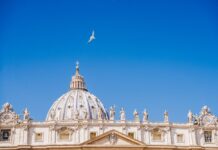
Rome holds deep historical and religious significance, closely associated with the Catholic Church and the Vatican, themes often referenced in the Peter Thiel Antichrist lecture.
Presenting such ideas in this context adds symbolic importance to Thiel’s arguments.
Themes Discussed
During his lectures, Thiel explored several themes:
- The relationship between technology and power
- The role of global systems in shaping society
- The risks of centralized control
Audience Reaction
The lectures attracted a wide audience, including academics, policymakers, and religious scholars.
Responses ranged from strong interest to skepticism.
Technology and Global Power
Influence of Tech Companies
Thiel’s experience with Palantir Technologies informs his perspective on data and governance.
He highlights how advanced technologies can enable large-scale coordination and oversight.
Centralization Risks
Thiel raises concerns about systems that concentrate power in a few institutions.
He suggests that excessive centralization could limit diversity of thought and individual freedom.
Comparison Table: Traditional vs Thiel’s View
| Aspect | Traditional View | Thiel’s View |
|---|---|---|
| Antichrist Role | Destructive figure | Promoter of false peace |
| Method | Open conflict | Subtle influence |
| Public Reaction | Fear | Acceptance |
| Warning Signs | Violence | Overstability |
| Risk | Visible crisis | Hidden control |
Controversy and Criticism
Academic Perspective
Some scholars argue that Thiel’s theory lacks empirical evidence.
They see it as a philosophical interpretation rather than a practical framework.
Media Coverage
Media discussions often focus on the provocative nature of his ideas.
Critics question whether such theories oversimplify complex global systems.
Public Debate
The theory has generated debate across social and academic platforms.
Supporters view it as a meaningful critique, while critics see it as speculative.
Vatican and Religious Context
Official Position
The Vatican has not issued a direct statement specifically addressing Thiel’s theory.
However, broader teachings encourage careful interpretation of apocalyptic themes.
Theological Perspective
Within the Catholic Church, the Antichrist is typically understood in a doctrinal context.
Thiel’s interpretation introduces a modern, philosophical dimension.
Real-World Implications
Political Systems
The theory raises questions about governance and the balance between stability and freedom.
It encourages critical examination of systems that promise universal solutions.
Technology Ethics
As technology becomes more powerful, ethical considerations become more important.
Thiel’s ideas highlight the need for responsible innovation.
Cultural Impact
The discussion bridges ancient religious concepts with modern societal challenges.
It reflects the growing intersection of faith and technology.
Expert Insights
Experts suggest that Thiel’s theory should be viewed as a framework for discussion rather than a literal prediction.
It encourages deeper thinking about power structures and societal trends.
The value of the theory lies in the questions it raises, not necessarily in definitive answers.
Common Misconceptions
Literal Interpretation
Some believe Thiel is predicting a specific figure.
In reality, his argument is largely symbolic and philosophical.
Institutional Endorsement
There is no official endorsement from the Vatican or major religious institutions.
The discussion remains academic.
Purely Religious Theory
The theory combines elements of theology, politics, and technology.
It is interdisciplinary rather than strictly religious.
Best Practices for Understanding Complex Ideas
Analyse the context in which the theory is presented
Distinguish between metaphor and literal claims
Consider multiple perspectives
Focus on underlying themes and implications
Expert Tip
Approach philosophical theories with critical thinking, focusing on the broader questions they raise rather than taking every claim literally, as highlighted in Peter Thiel antichrist lecture
Future Outlook
Continued Relevance
As technology and global systems evolve, discussions like Thiel’s are likely to remain relevant.
They address ongoing concerns about power and control.
Influence on Thought Leadership
Such ideas, including those explored in the Peter Thiel antichrist lecture, may influence how policymakers and intellectuals approach global challenges.
They contribute to broader debates about the future.
Step-by-Step: How to Understand Thiel’s Theory
Step 1: Learn the traditional concept of the Antichrist
Step 2: Understand Girard’s philosophical influence
Step 3: Analyze the idea of false peace
Step 4: Apply it to modern systems
Step 5: Evaluate its implications critically
Conclusion
Peter Thiel’s Antichrist theory offers a thought-provoking reinterpretation of a traditional concept. By suggesting that the greatest risks may come from systems that appear to promote peace and unity, he challenges conventional assumptions about power and control.
While controversial, the Peter Thiel antichrist lecture contributes to important discussions about technology, governance, and belief systems. The absence of a direct response from the Vatican reflects the complexity of the topic and leaves room for continued debate.
Ultimately, Thiel’s ideas highlight the importance of critical thinking in an increasingly interconnected world.
FAQs
1. What is Peter Thiel’s Antichrist theory?
It is a philosophical idea suggesting that the Antichrist may appear as a force promoting false peace and unity. It focuses on modern systems rather than a literal figure.
2. Where did Peter Thiel discuss this theory?
He presented these ideas in various lectures, including discussions associated with Rome. These events attracted academic and religious audiences.
3. Has the Vatican responded to the theory?
There is no official direct response from the Vatican. The topic remains part of broader theological discussions.
4. Is the theory based on religion or politics?
It combines both. Thiel uses religious concepts to analyze modern political and technological systems.
5. Why is the theory controversial?
It challenges traditional interpretations and raises complex questions about power and global systems. Critics argue it lacks concrete evidence.
Find a Home-Based Business to Start-Up >>> Hundreds of Business Listings.