









































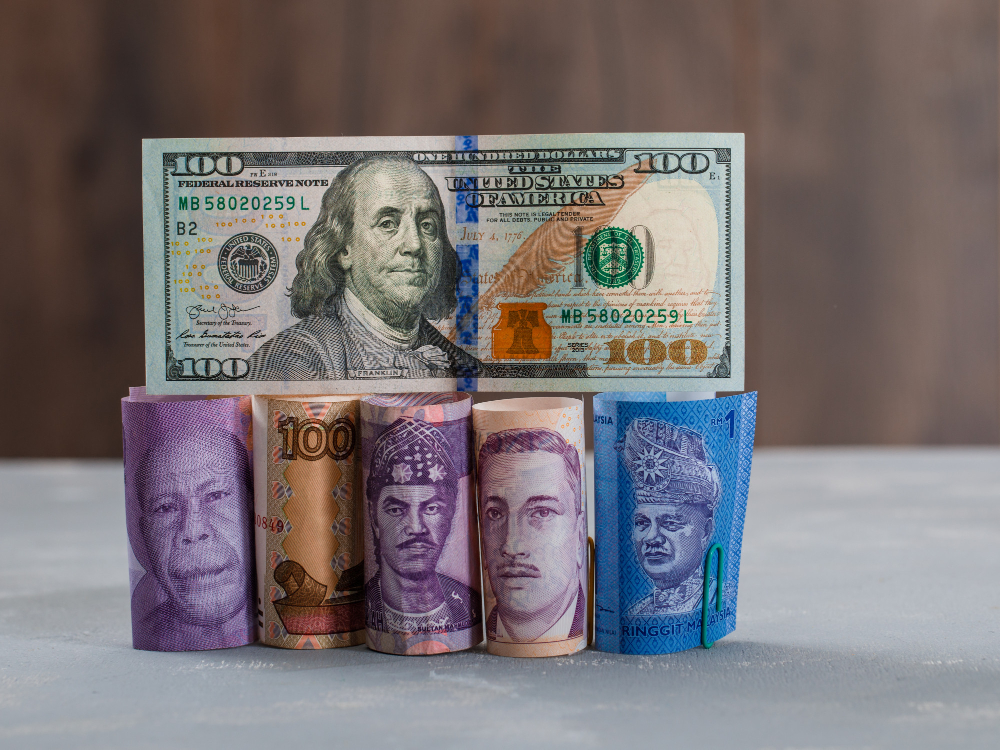
Currency markets have become increasingly volatile in recent years because of inflation concerns, central bank policy changes, geopolitical tensions, and shifting economic growth expectations. Investors, businesses, travelers, and multinational corporations monitor GBP/USD trends carefully because exchange rate fluctuations can significantly affect import costs, exports, overseas investments, and consumer purchasing power.
The pound-dollar exchange rate is also heavily influenced by monetary policy decisions made by the Federal Reserve and the Bank of England. Interest rate changes, inflation reports, labor market data, and political developments can rapidly move currency markets within hours.
This article explains how the American dollar to pound exchange rate works, what factors influence GBP/USD movements, why the currency pair matters globally, and what analysts expect for future market trends.
What Does the American Dollar to Pound Exchange Rate Mean?
The American dollar to pound exchange rate shows how many British pounds one US dollar can buy. It reflects economic conditions, interest rates, inflation, investor confidence, and monetary policy differences between the United States and the United Kingdom.
Key Takeaways
- GBP/USD is one of the world’s most traded currency pairs.
- Exchange rates affect travel, imports, exports, and investments.
- Interest rate decisions strongly influence currency movements.
- Inflation and economic growth impact pound and dollar strength.
- Central bank policies are major drivers of forex markets.
- Geopolitical tensions can increase currency volatility.
- Businesses monitor exchange rates for global trade planning.
- Investors use GBP/USD trends to assess economic sentiment.
Understanding the GBP/USD Exchange Rate
What Is GBP/USD?
GBP/USD represents the value of the British pound relative to the US dollar.
For example:
- If GBP/USD rises, the pound strengthens against the dollar.
- If GBP/USD falls, the dollar strengthens against the pound.
This currency pair is among the most actively traded in global foreign exchange markets.
Why It Matters Globally
The United States and United Kingdom remain major financial and economic centers.
The exchange rate affects:
- International trade
- Tourism spending
- Corporate earnings
- Investment markets
- Currency reserves
What Influences the Dollar-to-Pound Exchange Rate?
Interest Rates
One of the biggest drivers of currency markets involves interest rate policy.
Higher interest rates may attract investors seeking stronger returns, increasing demand for a currency.
Markets closely watch decisions from:
- Federal Reserve
- Bank of England
Inflation Data
Inflation affects purchasing power and central bank policy expectations.
Higher inflation may pressure currencies if markets believe economic stability is weakening.
Economic Growth
Strong economic performance can strengthen investor confidence in a country’s currency.
Key indicators include:
- GDP growth
- Employment data
- Consumer spending
- Manufacturing activity
How Central Banks Affect GBP/USD
Federal Reserve Policy
The Federal Reserve influences the US dollar through:
- Interest rate changes
- Inflation management
- Monetary policy guidance
Aggressive rate hikes often strengthen the dollar globally.
Bank of England Decisions
The Bank of England impacts the pound through:
- Interest rate policy
- Economic forecasts
- Inflation control strategies
Currency markets react quickly to policy announcements.
Why Currency Markets Are Volatile
Geopolitical Risks
Global conflicts, trade disputes, and political instability may rapidly influence currency demand.
Market Sentiment Changes Quickly
Currency traders react to:
| Market Driver | Potential Currency Impact |
|---|---|
| Interest rate hikes | Stronger currency |
| Inflation concerns | Increased volatility |
| Economic slowdown | Currency weakness |
| Political uncertainty | Market instability |
| Strong employment data | Investor confidence |
Forex markets often move rapidly based on economic expectations.
Why Businesses Monitor Exchange Rates
Import and Export Costs
Exchange rates influence pricing for goods traded internationally.
A stronger dollar may reduce import costs for US businesses, while a weaker pound may affect UK exporters differently.
Corporate Earnings
Multinational companies often convert overseas revenue into domestic currencies.
Currency fluctuations can significantly affect profits and financial reporting.
Expert Tip
Businesses and travelers exchanging currencies should monitor interest rate announcements and inflation reports closely, as these events often create sharp short-term movements in GBP/USD exchange rates.
How Exchange Rates Affect Consumers
International Travel Costs
Currency strength influences:
- Hotel prices
- Shopping expenses
- Travel budgets
- Overseas spending power
Imported Goods and Inflation
Exchange rate shifts may affect prices for imported:
- Electronics
- Energy
- Food products
- Consumer goods
Why Investors Watch GBP/USD Closely
Forex Markets Reflect Economic Confidence
Currency strength often signals how investors view economic stability and growth prospects.
Global Investment Flows Matter
International investors move capital between countries based on:
- Interest rates
- Growth expectations
- Market stability
These flows affect currency demand.
Real-World Events That Impact Exchange Rates
Inflation Surges
Periods of high inflation often create currency volatility and central bank intervention.
Elections and Political Developments
Political uncertainty may weaken investor confidence temporarily.
Energy Market Changes
Energy prices can influence inflation and economic performance, indirectly affecting currencies.
Common Misconceptions About Currency Exchange Rates
Stronger Currency Is Not Always Better
A stronger currency can make exports more expensive internationally.
Exchange Rates Move Constantly
Forex markets operate continuously and react rapidly to news and economic data.
Currency Markets Reflect Expectations
Traders often react to future economic expectations rather than current conditions alone.
Best Practices for Monitoring Exchange Rates
Follow Central Bank Announcements
Interest rate decisions heavily influence currency movements.
Watch Inflation Reports
Inflation data often changes market expectations quickly.
Compare Exchange Providers
Banks, travel services, and forex platforms may offer different conversion rates and fees.
Use Risk Management Strategies
Businesses with international exposure often hedge currency risk to reduce volatility.
How Technology Changed Currency Trading
Forex Trading Became More Accessible
Online trading platforms increased participation from retail investors worldwide.
AI and Algorithms Influence Markets
Automated trading systems now execute large volumes of forex transactions rapidly.
Real-Time Data Improved Transparency
Investors can now monitor live exchange rates instantly across global markets.
The Future Outlook for GBP/USD
Interest Rates Will Remain Important
Future Federal Reserve and Bank of England policies will likely continue driving major currency movements.
Inflation Trends Matter
Markets remain highly focused on inflation stability in both economies.
Global Economic Conditions Could Increase Volatility
Geopolitical tensions, trade disruptions, and recession concerns may continue affecting forex markets.
Conclusion
The American dollar to pound exchange rate remains one of the world’s most important financial indicators because it reflects economic conditions, investor sentiment, interest rate policy, and global market confidence between two major economies. GBP/USD movements influence international trade, travel, corporate earnings, and investment decisions across global markets.
As inflation concerns, central bank decisions, and geopolitical uncertainty continue shaping financial markets, currency volatility will likely remain elevated. Businesses, investors, and consumers increasingly monitor exchange rates because even relatively small fluctuations can affect purchasing power, operating costs, and financial planning.
In the years ahead, monetary policy, economic growth trends, and global geopolitical developments will continue determining the strength of both the American dollar and the British pound within increasingly interconnected financial markets.
FAQ Section
What does GBP/USD mean?
GBP/USD represents the exchange rate between the British pound and the US dollar.
Why does the dollar-to-pound exchange rate change?
Exchange rates change because of interest rates, inflation, economic growth, political events, and investor sentiment.
Which central banks influence GBP/USD?
The Federal Reserve and the Bank of England heavily influence GBP/USD through monetary policy decisions.
How do interest rates affect exchange rates?
Higher interest rates may attract investors seeking stronger returns, increasing demand for a currency.
Why do businesses monitor currency exchange rates?
Exchange rates affect import costs, exports, international profits, and financial planning.
Can inflation weaken a currency?
Yes, high inflation may reduce purchasing power and weaken investor confidence in a currency.
How do geopolitical events affect GBP/USD?
Wars, trade disputes, political instability, and energy market disruptions may increase forex volatility.
Is GBP/USD one of the most traded currency pairs?
Yes, GBP/USD is among the world’s most actively traded currency pairs in global forex markets.
Find a Home-Based Business to Start-Up >>> Hundreds of Business Listings.