









































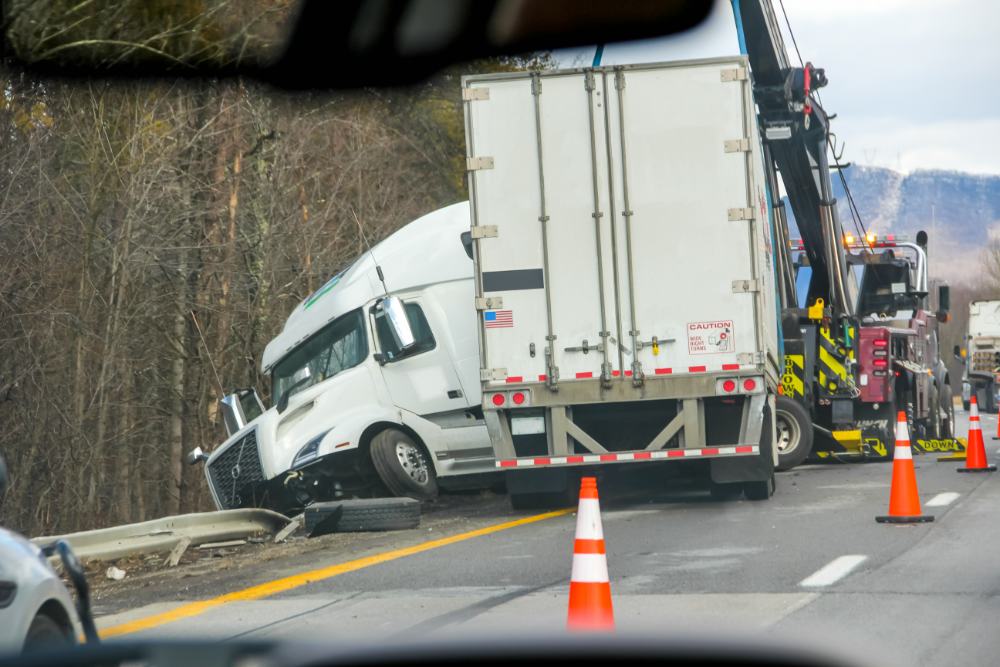
A serious truck collision can leave a person dealing with painful injuries, expensive medical treatment, lost income, and uncertainty about what happens next. The situation can become even more difficult when the vehicle involved is a commercial tractor-trailer with multiple companies and insurance policies connected to its operation. Houston’s major highways carry substantial commercial traffic every day. Roads such as Interstate 10, Interstate 45, Interstate 610, and U.S. Highway 290 connect the city with regional distribution centers and freight routes. When a passenger vehicle collides with an 18-wheeler, the difference in size and weight can create devastating consequences.
What Causes Serious 18-Wheeler Crashes in Houston
Truck accidents rarely have only one possible explanation. Driver behavior, mechanical conditions, cargo problems, road conditions, and company practices can all contribute to a collision.
Fatigue is one concern in commercial trucking because long hours on the road can affect alertness and reaction time. Distracted driving, speeding, unsafe lane changes, following too closely, and impaired driving can also create significant risks.
Mechanical failures deserve close attention as well. Brake defects, tire problems, steering issues, lighting failures, and improperly maintained components can contribute to a crash. In some cases, investigators may need to determine whether a company had adequate inspection and maintenance procedures.
Cargo can create another layer of risk. If freight is improperly loaded, secured, or distributed, the truck may become harder to control. A shifting load can affect vehicle stability and braking performance, particularly during sudden maneuvers.
Liability Can Extend Beyond the Truck Driver
One of the most important questions after a commercial truck crash is not simply, “Who was driving?” The better question is, “Who may have contributed to the collision?”
A trucking company may potentially face liability depending on the driver’s employment relationship and the circumstances surrounding the accident. Other parties can also become relevant when defective equipment, poor maintenance, negligent cargo loading, or other conduct contributed to the incident.
For example, imagine a truck loses control after a critical mechanical component fails. If maintenance records show that the problem was known but not properly addressed, the investigation may raise questions beyond the driver’s actions.
Evidence Can Make or Break a Truck Accident Investigation
Commercial trucks generate records that may provide valuable information about what happened before a collision. Preserving that evidence quickly can be important because some information may not remain available indefinitely.
Important evidence can include:
- Electronic logging device information and hours-of-service records.
- Driver qualification and training records.
- Truck inspection and maintenance documents.
- Black-box or electronic control module data when available.
- Dashcam, surveillance, and traffic-camera footage.
- Cargo loading and shipping documentation.
- Police reports and accident-scene photographs.
- Statements from witnesses and other drivers.
Medical evidence is equally important. Hospital records, diagnostic imaging, physician notes, rehabilitation records, and documentation of work restrictions can help establish the nature and consequences of an injury.
What a Houston 18-Wheeler Truck Accident Lawyer Can Investigate
A Houston 18-Wheeler Truck Accident Lawyer can investigate the circumstances surrounding a commercial truck collision and determine which parties may have legal responsibility. This can involve examining accident reports, vehicle records, driver information, company policies, maintenance history, photographs, medical evidence, and available electronic data.
A detailed investigation may also look at the trucking company’s hiring and supervision practices, the driver’s qualifications, vehicle inspection procedures, cargo loading, and compliance with applicable commercial transportation requirements. The Callahan Law Firm’s Houston 18-wheeler accident practice specifically addresses the legal issues that can arise after these large-truck collisions.
How Truck Accident Claims Differ From Ordinary Car Claims
An ordinary car accident may involve two drivers and their respective insurers. A commercial truck collision can involve several parties, separate insurance policies, federal and state transportation regulations, and extensive company records.
| Issue | Passenger Vehicle Crash | 18-Wheeler Collision |
| Potential defendants | Often one or two drivers | Driver, carrier, maintenance provider, manufacturer, or others |
| Records | Usually limited | May include logs, inspection records, electronic data, and cargo records |
| Insurance | Usually personal auto coverage | Commercial policies may involve substantial coverage |
| Regulations | Primarily traffic laws | Traffic laws plus commercial trucking requirements |
| Investigation | Often relatively straightforward | May require specialized records and expert analysis |
| Evidence | Photos, reports, witnesses | May also include ELD data, maintenance records, and vehicle data |
The additional evidence does not automatically mean a victim has a stronger claim. It means the investigation can require more work before responsibility is properly assessed.
What Injured Victims Should Avoid After a Truck Crash
The first days after a serious collision can be confusing. Insurance representatives may contact an injured person while medical treatment is still underway. Statements made during this period can sometimes create problems if they are incomplete or misunderstood.
Consider these practical steps:
- Report the collision through the appropriate channels and seek medical attention.
- Keep records of appointments, prescriptions, treatment, and injury-related expenses.
- Preserve photographs, videos, vehicle information, and correspondence.
- Avoid guessing about the cause of the collision when speaking with others.
- Do not discard damaged personal property that may be relevant evidence.
- Keep track of missed work and other financial effects of the injury.
A victim should also be careful about signing documents without understanding what they mean. A release or settlement agreement may affect future legal rights, particularly when the full medical impact of an injury is not yet known.
Serious Injuries Can Create Long-Term Financial Pressure
The consequences of an 18-wheeler crash can extend far beyond emergency treatment. Some victims require surgery, physical therapy, occupational therapy, medication, or long-term medical care.
A serious injury can also interfere with employment. Someone who previously performed physically demanding work may be unable to return to the same position. Others may face reduced hours, modified duties, or a complete change in their career plans.
The financial picture should therefore account for more than the first hospital bill. Depending on the circumstances and applicable law, a claim may involve medical expenses, lost income, diminished earning capacity, property damage, and other legally recognized losses.
Why Early Investigation Matters
Time can work against a truck accident investigation. Physical evidence may be repaired, vehicles may be moved, surveillance footage may be overwritten, and witnesses can become harder to locate.
Commercial trucking records can also be particularly important. Identifying the carrier, preserving relevant electronic information, reviewing maintenance documentation, and determining who controlled the vehicle can help create a clearer picture of the accident.
Early legal review does not guarantee a particular result. It simply gives an injured person a better opportunity to understand the available options before important evidence or deadlines become issues.
Conclusion
A major truck collision can create physical, financial, and practical problems that continue long after the vehicles leave the crash scene. The legal side of the case can be just as complicated because commercial trucking often involves multiple companies, specialized records, insurance coverage, and transportation regulations.
The strongest approach is to focus on facts rather than assumptions. Preserve evidence, follow medical recommendations, keep organized records, and obtain timely advice about your legal rights. A careful investigation can help identify how the collision happened, who may be responsible, and what compensation may be available under Texas law.
Find a Home-Based Business to Start-Up >>> Hundreds of Business Listings.