









































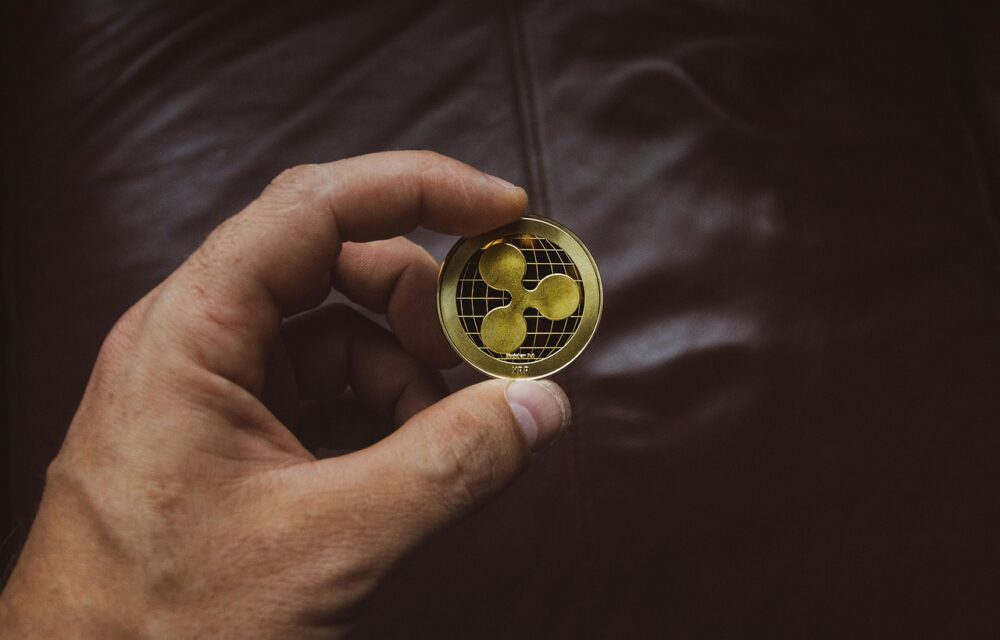
Ripple is a progressive digital payment platform that has worked on providing users with cross-border payment options and crypto liquidity services through its native token, XRP. The project serves customers worldwide in its pursuit to create better banking products, extending to the XRPL blockchain and cryptocurrency. Therefore, Ripple has become a leader in financial infrastructure, considering its forward-thinking, as well as adherence to jurisdictional regulations.
Users benefiting from Ripple’s services include crypto businesses, payment service providers, and Fintechs, all of which can access the digital custody platform that can be integrated seamlessly into systems. On the other hand, investors leveraging XRP within their portfolio promote the coin’s acceptance, since many of the latest improvements at Ripple positively influenced the way we choose how to buy XRP.
Thus, Ripple is backed by numerous supporters, from institutional investors to regular users, contributing to the next phase of its journey. Ripple’s AI integration addresses cybersecurity vulnerabilities while helping consolidate the infrastructure’s safety and reliability. Let’s learn more about it.
Ripple Focuses on the XRP Ledger with Advanced Security
XRPL is the decentralized blockchain built for peer-to-peer transactions and open to anyone. It stands out with low-cost and high-performance features, motivating the community to use it for creating decentralized applications.
However, according to the latest vulnerability disclosure report published by the team behind XRPL, the blockchain, two previous issues linked with compromised validators raised questions over the blockchain’s sustainability.
Luckily, XRPL is exploring new security features with the help of artificial intelligence in order for the blockchain to keep scaling and support institutional use cases while protecting customers. The strategy includes several key points on how XRPL will achieve high security standards and maintain transparency with the community, which we’ll dive into.
5 Strategic Steps XRPL Will Take
Considering the complexity of approaching AI safely, XRPL is building the strategy on the following pillars:
- Introducing AI across specific ecosystems, such as threat modeling;
- Allowing an AI-assisted team to verify and safeguard the codebase;
- Testing the XRPL codebase continuously to assess inconsistencies;
- Collaborating with partners like the XRPL Foundation to expand security efforts;
- Ensuring positive results on independent security audits;
Each step requires a slow yet purposeful integration within the decentralized ecosystem, as both blockchain and AI are developing as we speak. Therefore, the fact that XRPL is taking small steps toward AI implementation is a positive sign for institutional investors, especially as Ripple’s AI integration addresses cybersecurity concerns and helps them feel more secure when leveraging its services. However, some fear the potential AI bubble burst will affect the productivity of cryptocurrency markets along with blockchain.
What Exactly Is the AI “Bubble Burst” Fear About?
Numerous cryptocurrency projects are adopting AI or considering leveraging it as a tool for innovation and faster settlement. The hype surrounding artificial intelligence and blockchain has directed considerable funds, interest, and attention towards companies now experimenting with these technologies, shaping the future of the Fintech world.
But besides the lucrative side of these technologies merging, users are fearing the AI bubble burst, when the oversaturation of AI products might lead to unexplored financial situations. That’s because financial bubbles are different from one case to another, so a bubble burst can turn into a financial risk or not, according to the number of participants and the amount of borrowing linked with it.
Therefore, investors fear the AI bubble burst due to:
- The hype on social media;
- The rise of computing power;
- The complexity of LLMs (Large Language Models);
- The slow process of AI adoption;
- The competitive landscape of AI platform prices;
How Will the AI Situation Affect the Crypto Market?
The World Economic Forum highlighted in 2025 the three financial bubbles of cryptocurrency, artificial intelligence, and debt that might affect the global economy. For example, in the case of AI and crypto, the appetite for the latter slows down as investors become anxious about AI-backed products and companies. Therefore, if the AI bubble bursts soon, companies backing some of the most popular and established digital coins might experience a downfall as well.
This pattern is observable especially for businesses that were operating Bitcoin mining centers and switched to building AI data centers to keep up with demand for AI products and services. Therefore, they are sensitive to shifts in AI-related optimism or pessimism.
Some investors hope that regulators and governments will implement guidelines that would help avoid the consequences of the AI bubble burst, but such an intervention takes time to develop and operate, and this moment is too late. So, what is there to do?
What Can Companies like Ripple Do to Avoid Such Struggles?
Adapting to the potential AI bubble burst and protecting the organization will be a real challenge for decentralized enterprises since they invested time and effort to contribute to innovation. So, whether the AI situation will be similar to the dot-com bubble in the late 1990s or the 2008 crash, here are some strategies for businesses like Ripple to protect their infrastructures and employees:
- Partnering with AI companies with real business models that can provide measurable ROI;
- Auditing the AI spending and ensuring it goes into more than experiments;
- Opting for smaller, open-source AI models for specific solutions rather than general tools;
When it comes to regular investors, the oldest advice is always to be followed: diversify your portfolios across multiple sectors. While experts believe most crypto and AI investors and traders will be affected by the bubble burst, Ripple’s AI integration addresses cybersecurity concerns while the broader market evolves. Expanding assets and markets toward industries like utilities, insurance, and household goods can act as a safety net when cryptocurrency prices decline suddenly. Cashing in investments is also doable, but choosing the right time to do it can be tricky, so maybe asking for help from professional advisors can guide you.
Is Ripple Ready to Face the AI Bubble Burst?
Ripple is one of the most advanced decentralized platforms leveraging cryptocurrency, as it works on making peer-to-peer transactions more affordable and accessible worldwide. However, the rising scalability of the infrastructure uncovers vulnerability gaps, for which the company is creating AI-based solutions. Ripple’s AI integration addresses cybersecurity concerns by helping protect consumers as the infrastructure scales. But the pressing AI bubble burst might still influence institutional investors and regular traders, so Ripple and other blockchain companies should practice due diligence when leveraging AI.
Find a Home-Based Business to Start-Up >>> Hundreds of Business Listings.