



































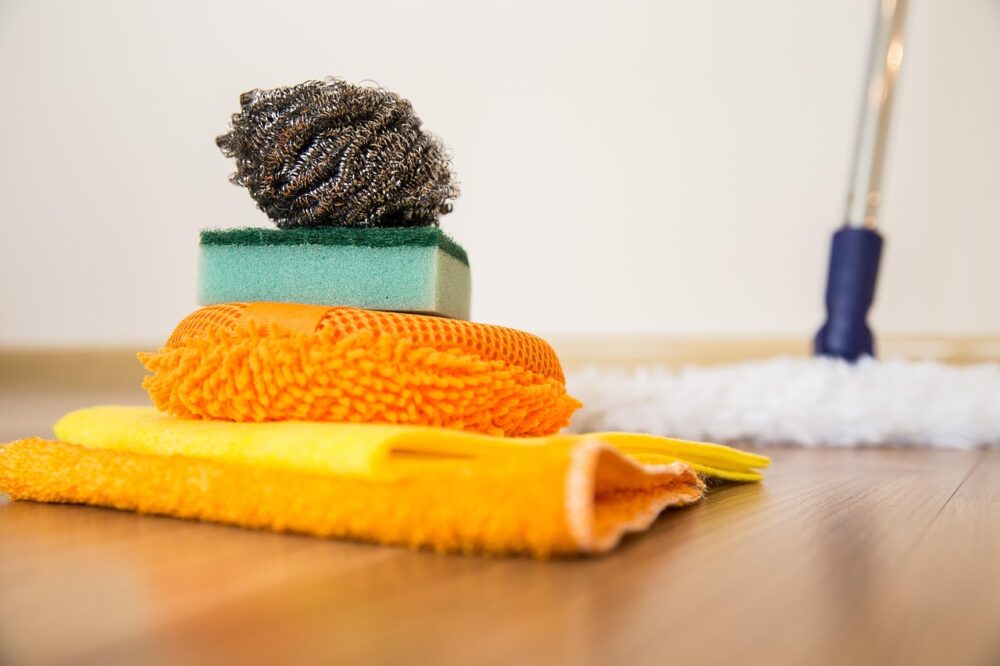
For small businesses in retail, healthcare, warehousing, hospitality, or food service, floor cleaning is a recurring cost that eats into both labor hours and budget. A commercial floor scrubber can cut cleaning time by as much as tenfold compared to manual mopping while improving cleaning consistency and helping businesses maintain higher hygiene standards for employees and customers.
Choosing the right commercial floor scrubber solution also affects long-term operating costs, maintenance requirements, and staff productivity. The decision comes down to machine type, total cost of ownership, and whether buying or outsourcing makes more sense. Below is a comparison of four commercial floor scrubber providers (updated July 2026) commonly evaluated by small businesses for floor care.
1. Imperial Dade
Imperial Dade is one of North America’s largest distributors of janitorial products, foodservice supplies, and commercial floor-care equipment. Imperial Dade has completed 97 acquisitions since 2007, expanding to more than 125 facilities across North America.
Businesses can purchase automatic floor scrubbers alongside chemicals, consumables, and maintenance products through a single supplier. Promotes environmentally preferable cleaning products, low-water equipment, microfiber systems, and concentrated chemicals.
Machine Types:
Automatic floor scrubbers, walk-behind scrubbers, rider scrubbers, floor sweepers, burnishers, and multi-purpose floor machines.
Pricing and Cost Range:
Quote-based; not publicly listed. Entry-level walk-behind units start around $1,400 to $3,000, with ride-on models ranging higher. Daily, weekly, and monthly rental programs available
Use Cases by Facility Type:
Retail, food service, healthcare, hospitality, warehousing, and industrial sites, matched to facility size, floor type, and cleaning schedule.
Maintenance and Parts:
Quarterly preventive maintenance recommended; training and access to replacement parts, squeegee blades, brushes, and battery service available through regional
Buying vs. Outsourcing:
Equipment ownership only, suited to businesses that want direct control of their cleaning program.
Pros
- Large multi-brand catalog including Tennant, Clarke, and Advance
- Rental programs and used equipment are available for budget-conscious buyers
- Equipment specialists provide consultative matching by facility type
Cons
- No transparent online pricing; sales engagement required for quotes
- Large distributor scale may reduce individualized attention for small businesses
- Service support quality varies by regional branch location
2. Nassco, Inc.
Nassco, Inc. is a Wisconsin-based janitorial solutions provider with over 65 years of experience in floor care equipment and facility maintenance. Company details are available on Nassco’s Crunchbase profile. Nassco’s facility assessment process matches machine productivity to actual cleaning route requirements, reducing cleaning time per square foot substantially versus manual mopping.
Machine Types:
Automatic floor scrubbers, walk-behind scrubbers, rider and stand-on scrubbers, floor sweepers, burnishers, and specialty floor-care equipment.
Pricing and Cost Range:
Pricing is customized according to facility size, flooring type, and operational requirements rather than being published as standard online pricing.
Use Cases by Facility Type:
Designed for retail stores, healthcare facilities, schools, warehouses, manufacturing plants, automotive businesses, hospitality, and food-processing environments.
Maintenance and Parts:
Equipment training, planned maintenance programs, and replacement parts are available for all brands carried, with service plans designed to minimize unscheduled downtime.
Buying vs. Outsourcing:
Equipment ownership supported by onsite assessments, operator training, and planned maintenance, designed for small businesses without a dedicated facilities team.
Pros
- Six decades of floor care expertise; carries Nilfisk, Tennant, Tomcat, and more
- New, used, and rental options for different budget levels
- Full-service support, including training and planned maintenance programs
Cons
- Pricing not publicly listed; requires direct engagement
- Wisconsin-based headquarters may affect response times for out-of-market customers
- A smaller national footprint may limit parts availability in some regions
3. 4M Building Solutions
4M Building Solutions is a St. Louis-based commercial janitorial services company founded in 1978, operating across 16 states with more than 7,000 team members. Unlike the other providers in this comparison, 4M does not sell commercial floor scrubbers; it provides managed floor care as part of broader janitorial service contracts. Outsourcing eliminates in-house operator requirements, reducing labor management overhead for businesses with limited administrative capacity.
Machine Types:
4M operates its own equipment fleet; clients do not select or purchase machines, and the service team provides appropriate scrubbers based on floor type and facility requirements. They have Green Seal® and GREENGUARD® certified products used across all operations, with documented EPA, CDC, and OSHA compliance.
Pricing and Cost Range:
Custom service contracts; no public pricing. Monthly costs vary by facility size, cleaning frequency, and scope, with no upfront equipment purchase. 4M does not offer equipment rental or sales.
Use Cases by Facility Type:
Corporate offices, industrial and manufacturing, healthcare, education, senior living, and multi-tenant buildings across 16 states.
Maintenance and Parts:
Maintenance, parts, and scheduled service are 4M’s responsibility; clients face no replacement costs for brushes, squeegees, or batteries.
Buying vs. Outsourcing:
4M is the managed service option, shifts floor care from a capital expense to a predictable monthly operating cost, suited to businesses without equipment budgets or trained operators.
Pros
- Eliminates equipment purchase, storage, and maintenance responsibility
- Green-certified products with OSHA and CDC compliance documentation
- Scalable across 16 states with predictable monthly contract costs
Cons
- Does not sell equipment; no path to ownership for businesses that want it
- Glassdoor employee reviews average 3 out of 5 stars, citing management consistency concerns
- Less suitable for businesses wanting direct control over cleaning schedules
4. Guest Supply
This is a hospitality-focused supplier providing cleaning products, floor care equipment, and housekeeping supplies to hotels and lodging properties. It operates as a subsidiary of Sysco Corporation, which operates 337 distribution centers in 10 countries.
Machine Types:
Floor buffers, floor machines, and janitorial equipment tailored to hospitality environments, including products under the Pacific Floorcare brand, covering lobby floors, corridors, guest rooms, and food service areas. Eco-certified cleaning chemicals and select equipment lines with reduced-resource consumption are available, aligned with hospitality industry sustainability expectations.
Pricing and Cost Range:
Quote-based through direct sales engagement, structured for hospitality procurement teams. Not publicly listed. They do not prominently offer rental or used floor equipment.
Productivity and Labor Savings:
Equipment recommendations are calibrated to the cleaning cycles and surface types common in hotel operations, where consistent floor appearance directly affects guest experience and repeat business.
Use Cases by Facility Type:
Primarily hotels, motels, resorts, and lodging properties. Comparable facilities, event venues, senior living communities, and restaurant groups can apply Guest Supply’s floor care catalog where surface types and maintenance standards align.
Maintenance and Parts:
Manufacturer partnerships support access to replacement pads, brushes, and parts for equipment lines carried, though service support depth varies by product and region.
Buying vs. Outsourcing:
Guest Supply supports equipment ownership and supply procurement. It does not provide managed cleaning services.
Pros
- Deep hospitality expertise backed by Sysco Corporation’s supply chain
- Combines floor machines and cleaning chemicals in one supplier relationship
- Suited to hotels, event venues, senior living facilities, and restaurant groups
Cons
- Narrow vertical focus, less suited to retail, warehouse, or industrial needs
- Pricing not publicly listed; requires direct sales engagement
- Less competitive outside the hospitality sector
Summary Table
| Provider | Pricing Model | Best For | Key Feature | Limitation |
| Imperial Dade | DadeQuote-based; rental available | Wide product selection with specialist consultation | Broad brand catalog including Tennant, Clarke, and Advance | No transparent online pricing |
| Nassco, Inc. | Quote-based; new, used, and rental available | Multi-facility businesses needing full-service support | Six decades of floor care expertise with maintenance programs | Regional footprint may limit coverage in some markets |
| 4M Building Solutions | Custom service contracts | Businesses preferring to outsource floor care entirely | Managed janitorial services across 16 states | Not an equipment seller; no path to ownership |
| Guest Supply | Quote-based catalog pricing | Hotels, lodging, and hospitality operations | Hospitality-specific floor care and housekeeping equipment | Narrow vertical focus; less suited to non-hospitality facilities |
Independent Expert Perspective
According to the IMARC Group’s Industrial and Commercial Floor Scrubbers Market Report, walk-behind scrubbers dominate the commercial market with approximately 53.7% share in 2024, largely due to their cost-effectiveness and maneuverability in small to medium-sized facilities. Rising labor costs and tightening hygiene compliance standards are the primary drivers pushing small businesses from manual mopping to powered equipment. A survey cited in the report found that 86% of employees regard cleanliness as the most important aspect of a good work environment.
Frequently Asked Questions
How Much Does a Commercial Floor Scrubber Cost for a Small Business?
Walk-behind automatic scrubbers typically range from $1,400 to $5,200, depending on deck width and battery type. Ride-on models start around $10,000 and can exceed $20,000. Used and rental options reduce upfront costs significantly.
Is It Better to Buy a Floor Scrubber or Outsource Cleaning?
Businesses cleaning 5,000 or more square feet daily typically see faster payback from owning equipment. Smaller or lower-frequency operations may find outsourcing more economical when factoring in equipment cost, maintenance, and training.
What Type of Floor Scrubber Is Best for a Small Retail or Restaurant?
Compact walk-behind or micro scrubbers work best for spaces under 5,000 square feet, are maneuverable, lower in cost, and manageable without dedicated facilities staff.
Can Small Businesses Rent Floor Scrubbers Instead of Buying?
Yes, both Imperial Dade and Nassco offer rental programs ranging from daily to monthly periods, useful for trialing equipment or managing one-time projects.
How Often Do Commercial Floor Scrubbers Need Servicing?
Quarterly preventive maintenance is standard. High-use environments like food processing or healthcare may require more frequent service intervals.
Endnote
The right floor care solution depends on facility type, cleaning frequency, budget, and whether ownership or outsourcing fits the business model. Equipment distributors like Imperial Dade and Nassco support ownership with brand selection, training, and service. 4M Building Solutions offers a managed alternative for businesses that prefer predictable monthly costs with no equipment responsibility. Guest Supply serves hospitality operations specifically. When choosing a commercial floor scrubber, comparing the total cost of ownership—not just the sticker price—will produce a clearer decision than machine specs alone.
Find a Home-Based Business to Start-Up >>> Hundreds of Business Listings.