










































Buying a home can raise questions that go beyond price and location.
Will the payment fit the budget? What will the lender need? Does the buyer qualify? Will the home meet the loan requirements?
The homebuying checklist ahead helps veterans and military families sort through those details early, from the monthly budget and paperwork to lender conversations and preapproval.
1. Start With the Monthly Payment
The price on the listing is only part of the story. What matters day-to-day is the payment that comes after the keys are handed over.
Before you see a house, sit down with the monthly cost. Add the mortgage, taxes, insurance, utilities, basic upkeep, any HOA fees, and what it will cost to move.
Use the latest rate quote when estimating the monthly payment. Even a small rate change can affect what you pay each month.
Military families may also need extra room in the budget during a move. A spouse may be between jobs, the commute may be longer, or the family may need to stay close to a school, base, workplace, or medical provider.
If you have self-employment income, side business income, or changing household income, ask the lender early how that income will be reviewed.
2. Check Credit, Income, and Debt
VA-backed loans can help, but the lender still needs to see where you stand financially.
They will look at your income, credit, debt, work history, and whether the payment is something you can realistically afford.
Before applying, check your credit report, look at your card balances, and try not to take on new debt unless you have to. The goal is not perfect finances. It is knowing what a lender may see before you apply.
3. Confirm VA Loan Eligibility
For veterans and military families, a homebuying checklist makes it easier to check eligibility before the home search goes too far.
The Certificate of Eligibility, or COE, shows the lender that the borrower qualifies for the VA home loan benefit. VA.gov says requesting the COE is the first step in getting a VA-backed home loan.
Before looking closely at homes or asking lenders for numbers, buyers should review their VA home loan eligibility so they know what they may qualify for and what paperwork may be needed.
Eligibility is only the beginning. The lender still has to review the borrower’s finances and the property before approving the loan.
4. Gather Documents Early
Paperwork is easier when there is no deadline hanging over it.
Your lender will ask for the basics: ID, income, work history, bank records, and any service paperwork needed for the COE. If you work for yourself, expect a few extra questions about income. Business tax returns, profit and loss details, or extra bank statements may be part of it.
Keep everything in one folder, digital or physical. When the lender asks for an updated record, you will not have to dig for it.
5. Compare Lenders
Talk to a few lenders before choosing one.
A lower rate helps, but it is not the only thing to compare. Look at the fees, closing costs, timeline, and how clearly the lender answers questions.
If you’re going with a VA-backed loan, ask the lender how often they work with them. You’ll want someone who can explain the COE, appraisal, paperwork, and next steps clearly, without making the whole process feel overwhelming.
6. Understand the Home Requirements
The home needs to fit the family’s needs, budget, and long-term plans.
VA-backed loans are generally for primary residences. The property also needs to meet basic standards for safety, soundness, and livability.
An appraisal can help review value and certain property conditions. A home inspection is different. It can help buyers understand repairs or future costs.
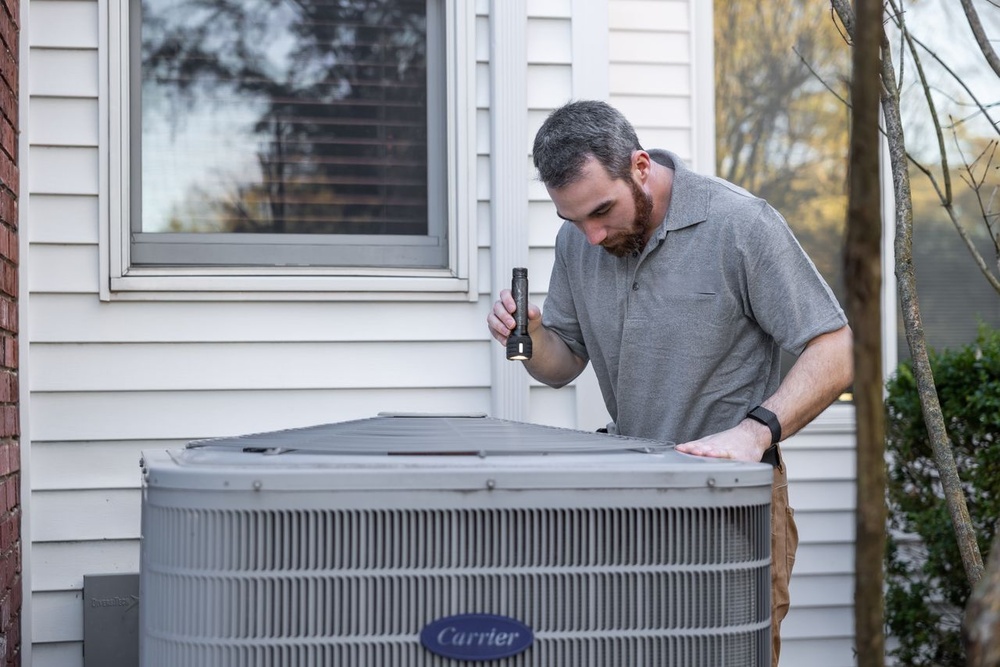
An older roof, aging HVAC system, or plumbing issue may not seem urgent during a showing. After closing, those costs can feel very real.
7. Get Preapproved Before Making an Offer
Preapproval helps buyers know what price range they’re working with before they make an offer. It also gives sellers peace of mind that the buyer has already talked to a lender.
For Veterans and military families, preapproval can answer practical questions early: What can we afford? Which documents are missing? How quickly could we move if we find the right home?
Those answers can keep the search focused.
Final Thoughts
Buying a home is about more than the listing. The payment, paperwork, moving costs, and repairs all matter once you are actually living there.
For veterans and military families, following a homebuying checklist can search go more smoothly when a few things are sorted out early: the budget, eligibility, documents, lender options, and home requirements.
The right home matters. Being ready for it matters, too.
Find a Home-Based Business to Start-Up >>> Hundreds of Business Listings.