









































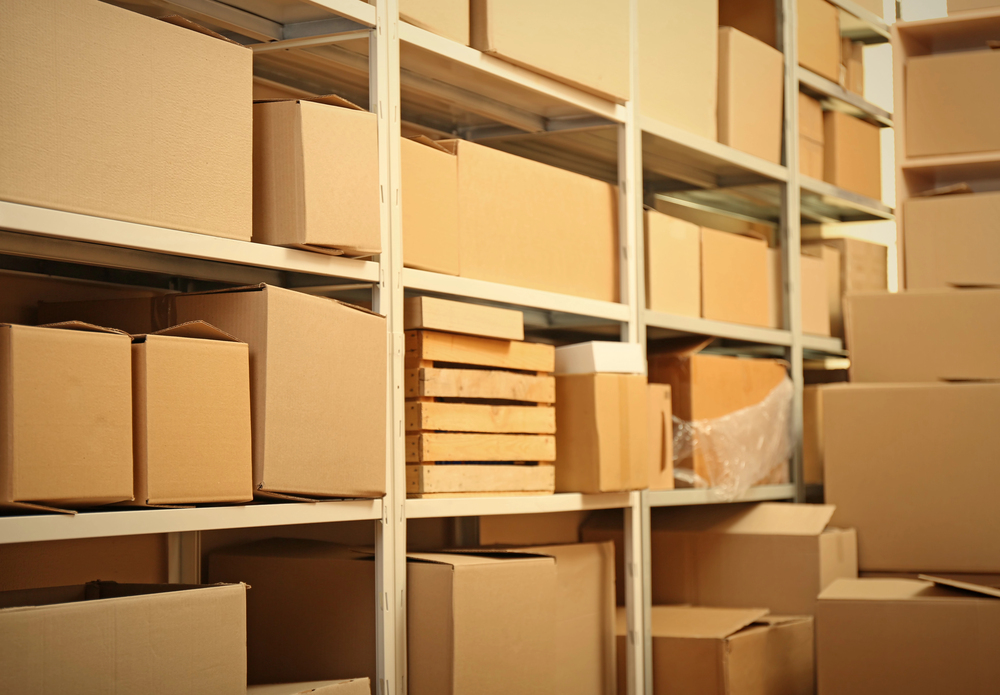
As businesses grow, storage requirements often become more complex. Whether you run an online retail company, a trade business, or a growing distributor, you need enough space to store stock, equipment, documents, or materials without disrupting daily operations. Choosing the right storage solution can influence your costs, efficiency, and ability to respond to customer demand. While both self-storage and warehousing provide additional space, they serve different purposes and suit different business models. Understanding how each option works can help you make a practical decision that supports your current needs while allowing room for future growth.
Understanding the Key Differences Between Self-Storage and Warehousing
Self-storage provides secure units that businesses can rent for storing stock, tools, equipment, or archived records. You typically manage the space yourself and access your belongings when required. This arrangement suits businesses that need additional capacity without taking on a commercial lease. Warehousing generally supports larger-scale storage requirements. Businesses often use warehouses to hold substantial volumes of inventory, and some facilities offer services such as stock management, order fulfilment, and goods handling. A growing e-commerce retailer that processes hundreds of orders each week may benefit from warehouse support, while a local contractor might only require a secure storage unit for equipment and materials.
Comparing Costs, Flexibility and Scalability
Cost often plays a major role when choosing between storage options. Self-storage usually involves lower upfront commitments because businesses rent only the space they need. This allows you to control expenses and avoid paying for unused capacity. Warehousing often involves higher costs because businesses pay for larger premises and, in some cases, additional operational services. However, those services can save time and reduce staffing requirements. Assess your storage volumes and projected growth over the next 12 months before selecting a solution. A business with fluctuating inventory levels may appreciate the flexibility of moving between different storage unit sizes, whereas a company with predictable growth might benefit from a dedicated warehouse arrangement.
Security, Accessibility and Day-to-Day Operations
Both options can offer strong security, but they support different operational needs. Self-storage facilities often provide gated access, surveillance systems, and individual unit security. Business owners can visit their units directly and retrieve items when necessary. Warehouses often focus on supporting logistics and inventory movement. Staff may receive deliveries, organise stock, and assist with distribution processes. For businesses that handle large shipments or frequent stock turnover, these services can simplify day-to-day operations and reduce administrative workload. The right choice depends on how often you need access and how much support your business requires.
Which Solution Is Best for Different Types of Businesses?
The most suitable option depends on the nature and scale of your operation. Small businesses, tradespeople, start-ups, and online sellers often find self-storage more practical because it offers flexibility without significant financial commitments. For example, a local business storing seasonal stock, marketing materials, or tools may find Northampton self-storage provides the space it needs while maintaining direct control over inventory. In contrast, larger retailers, wholesalers, and distributors that manage substantial stock volumes may benefit from warehousing services that support fulfilment and logistics. Match your storage choice to your operational requirements rather than simply selecting the largest space available, as this approach can help you control costs while maintaining efficiency.
Find a Home-Based Business to Start-Up >>> Hundreds of Business Listings.