



































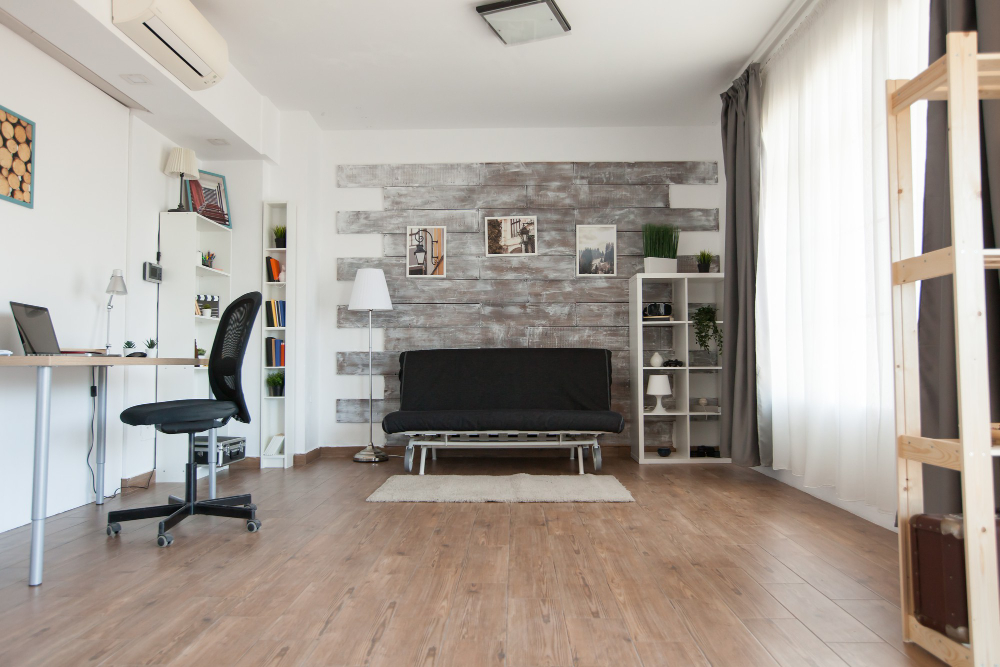
The floor under your desk shapes far more than a room’s looks. It influences how often you clean. It changes how the air feels by mid-afternoon. It even shapes what a future buyer notices on the way in.
Many home-based professionals inherit whatever surface came with a spare bedroom or basement. Swapping worn carpet for a harder surface pays off daily. Affordable options from suppliers such as Really Cheap Floors keep the project realistic on a tight budget.
Why Does Flooring Matter so Much In a Home Office?
Flooring sets the baseline for comfort, hygiene, and professionalism. You occupy that space for hours each day. A surface that hides grime quietly chips away at concentration.
Carpet is a reservoir for particles. The Environmental Protection Agency notes that biological contaminants settle into soft fibers. Dust mites, pollen, and pet dander all collect there, and they can trigger asthma symptoms. A hard surface gives those allergens fewer places to hide. That matters when you breathe the same air for 8 hours a day.
There is a practical angle too. Guidance for home-based businesses stresses a workspace used regularly and exclusively for your work. A room you treat as a business asset deserves a floor built for real, daily use.
Which Flooring Types Suit a Work-From-Home Setup?
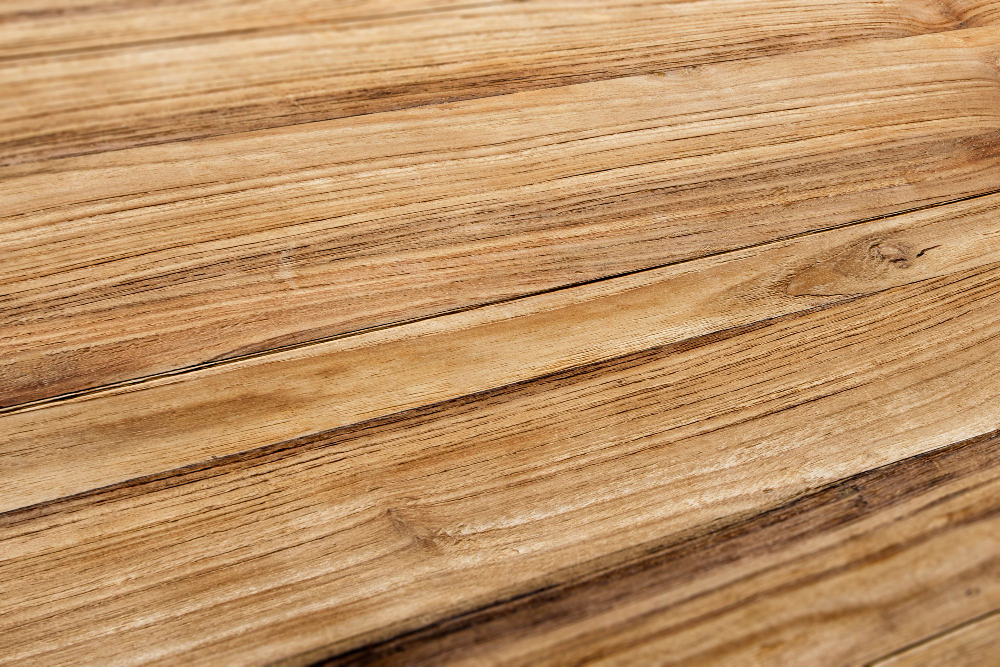
Three categories cover almost every home office. Hardwood, luxury vinyl plank, and laminate each balance cost, durability, and feel differently. The right choice of home office flooring depends on your room and routine.
- Solid and engineered hardwood. Warm, classic, and the surface buyers ask for most. Engineered planks handle humidity better than solid boards. That makes them ideal for basements or rooms above a garage.
- Luxury vinyl plank. Waterproof, scratch-resistant, and quiet underfoot. A rolling chair barely fazes it. Households with kids or pets gravitate toward it.
- The budget workhorse. It mimics wood grain convincingly and clicks together fast. Even a first-time installer can floor a small room without hired help.
A quick mental test helps. Pick the surface you would happily mop. Pick the one your chair will not gouge. Pick the one your budget can cover. When the answers line up, you have found your floor.
How Much Should You Budget for Office Flooring?
Plan on a range rather than a single number. Material, room size, and installation choices move the total quickly. A realistic starting point sits between $2 and $7 per square foot for materials alone.
| Flooring type | Typical material cost (per sq ft) | DIY-friendly? |
| Laminate | $2 to $4 | Yes |
| Luxury vinyl plank | $3 to $6 | Yes |
| Engineered hardwood | $4 to $7 | Moderate |
| Solid hardwood | $5 to $10 | No |
For a typical 120-square-foot office, materials land around $240 to $840 before tools and trim. Free samples prevent an expensive mismatch. Many DIY layouts skip labor entirely. A click-lock floor needs only a saw, a tapping block, and a free weekend.
Labor adds roughly $1 to $2 per square foot if you hire a pro. Underlayment, transition strips, and a quality chair mat add a little more. Budget for those extras up front. To make the room a true productivity hub, pair the right home office flooring decision with broader planning ideas from this guide to creating a productive home office.
Does New Flooring Really Affect Productivity and Resale?
Yes, on both counts, on different timelines. Day to day, a clean, stable surface reduces the frictions that interrupt deep work. Long term, the right floor strengthens your asking price.
Resale data backs this up. Hardwood ranks among the most-requested features in buyer surveys. More than 90% of polled buyers list it as a must-have. That figure surfaces in the carpet-versus-hardwood comparison covered in home office flooring discussions. A clean, photogenic floor also reads as move-in ready, and that perception speeds a sale.
Consider the productivity side in concrete terms:
- A rolling chair glides on a hard surface without snagging. That saves dozens of small tugs a day.
- A damp mop clears dust in two minutes. Carpet demands deeper, slower vacuuming.
- Neutral wood tones photograph cleanly for video calls. It is an underrated detail for client work.
Five Rules That Narrow the Flooring Decision
A few principles keep the decision of choosing the right home office flooring simple. They hold even when the showroom offers fifty finishes.
- Match the surface to the room. Use engineered hardwood or vinyl for moisture-prone spaces, laminate for tight budgets.
- Order samples first. Lighting changes how a finish reads against your walls.
- Prioritize cleanability if allergies, pets, or kids share the house.
- Treat the floor as a resale asset, not just daily comfort.
- Budget for trim, underlayment, and a chair mat, not material alone.
Putting Your Office Floor Plan Into Motion
The best floor fits your room, your habits, and your wallet without compromise. Measure the space first. Then narrow to one material category before you look at colors.
From there the project moves fast. Samples confirm the look. A weekend handles a small DIY install. The payoff shows up every morning, at a workspace that feels clean and genuinely yours.
Frequently Asked Questions
Is Hardwood or Vinyl Better for a Home Office?
Hardwood offers stronger resale appeal and a premium feel. Luxury vinyl plank wins on waterproofing and scratch resistance. For a dry, ground-level room where resale matters, hardwood earns its premium. For basements, rentals, or active households, vinyl is the safer call.
Can I Install Office Flooring Myself?
Most laminate and luxury vinyl plank products use click-lock systems built for DIY. A confident beginner can finish a small room in a weekend. Solid hardwood usually needs nailing and professional tools, so a pro is the sensible route there.
How Does Flooring Affect Indoor Air Quality?
Hard surfaces trap fewer allergens than carpet. Dust, dander, and pollen sit on top, where a quick mop removes them. Carpet holds those particles in its fibers. It can release them during normal activity, which is why allergy-prone workers often prefer wood or vinyl.
What Is the Cheapest Durable Option for an Office?
Laminate is usually the most affordable durable choice. Material costs run around $2 to $4 per square foot. Its wear layer resists scratches and chair traffic. Luxury vinyl plank costs a little more but adds waterproofing. For spaces facing spills or humidity, that upgrade pays for itself.
Find a Home-Based Business to Start-Up >>> Hundreds of Business Listings.