







































Stucco is a durable, low-maintenance exterior finish, but it’s not immune to damage. Cracks, staining, moisture intrusion, and impact damage can all occur over time. When those issues arise, homeowners generally have a choice: repair them themselves or hire a professional.
It’s especially a common dilemma for Sacramento homeowners researching professional contractors for stucco repair in Sacramento online for easy fixes. Hot summers, seasonal rains, and occasional ground movement can all contribute to ongoing stucco wear. Some damage may appear minor on the surface, but hidden issues often lurk beneath. Knowing when DIY repairs are useful and when professional expertise is valuable can help homeowners avoid costly, long-term mistakes.
Not Every Stucco Problem Is the Same
One reason hardcoat stucco repair can be deceptive is that similar symptoms often have very different causes. A hairline crack caused by normal settling may require only a minor repair. A crack that continues to widen, however, could indicate movement, water intrusion, or deterioration behind the finish coat.
The same principle applies to staining. What appears to be a cosmetic issue may actually be evidence of a drainage problem, failed flashing, or moisture trapped behind the wall assembly. The challenge for many homeowners is determining which category their repair falls into before work begins.
Where DIY Repairs Can Be Reasonable
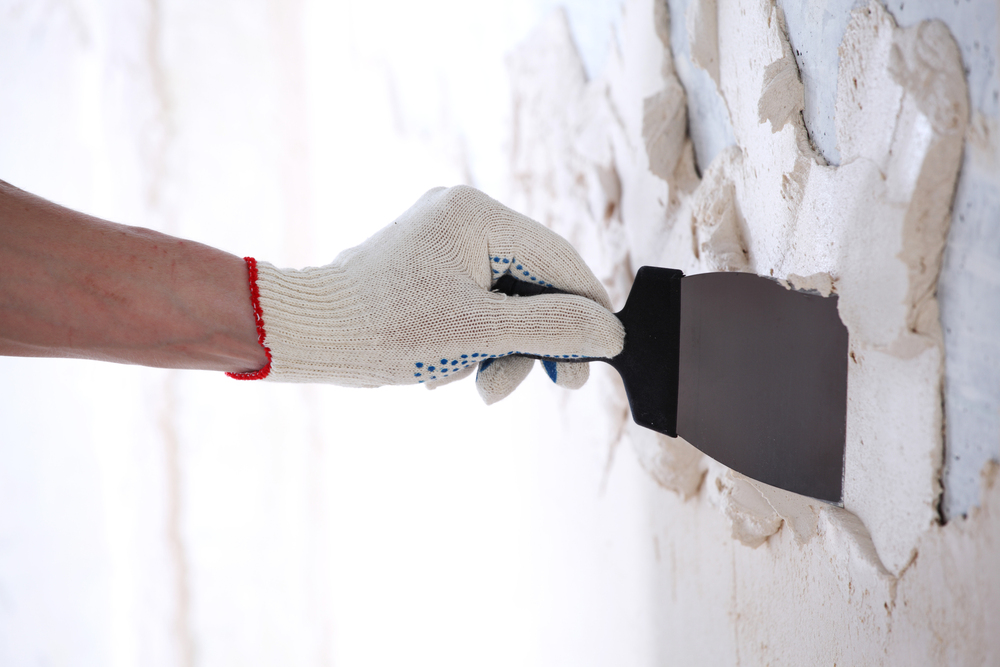
There are situations where a homeowner can successfully handle minor stucco repairs on their own. Small cosmetic fixes can involve:
- Filling isolated hairline cracks
- Repainting faded stucco surfaces
- Replacing deteriorated exterior caulking
- Cleaning dirt, mildew, or mineral deposits
These types of jobs are usually low-risk when performed properly. If you’re willing to handle exterior maintenance projects, you can address these small problems in a timely manner to maintain the look of your home and prevent small flaws from turning into major concerns. Just remember, these projects are largely surface-level improvements and not structural repairs.
The Hidden Challenge of Matching Existing Stucco
One aspect of stucco repair that many homeowners underestimate is achieving a seamless finish. Stucco is not a uniform material. Texture, sand content, finish techniques, and paint coatings all affect its final appearance. Even when the repair itself is technically successful, a poorly matched patch can remain visible from across the street.
Professional stucco repair contractors spend years learning how to blend repairs into surrounding surfaces. Matching older stucco often requires adjusting texture, application methods, and finish coats until the repaired area becomes difficult to distinguish from the original wall.
For highly visible locations on the front elevation of a home, appearance alone is often enough reason to seek professional help.
Moisture Problems Are Rarely Visible From the Surface
The biggest risk associated with DIY stucco repair is misdiagnosing the source of the problem. Many homeowners focus on the crack, stain, or damaged section they are able to see. Experienced contractors spend just as much time investigating what cannot be seen. Water intrusion frequently originates from:
- Failed flashing
- Roof drainage issues
- Window installation defects
- Deteriorated sealants
- Improperly integrated exterior components
Simply patching the visible damage without addressing the moisture source often results in recurring problems. A repaired crack that reopens six months later is frequently a sign that the original issue was never addressed.
Access and Safety Considerations
Stucco repairs are often required in areas that are difficult to reach safely. Second-story walls, gable ends, and chimney sections may require ladders, scaffolding, or special access equipment. Working at heights carries additional risks beyond the actual repair.
Professional contractors are trained to work safely on elevated surfaces and know how to protect surrounding landscaping, roofing materials, windows, and walkways during a repair. Safety should be an important factor in your decision-making process for repairs involving upper-story walls.
Which Option Actually Makes Sense for Your Home?
The answer depends largely on the scope of the repair. Cosmetic repair projects, especially small ones, can usually be done successfully by homeowners with the right tools. Larger repairs, those involving recurring cracks, moisture intrusion, soft spots, staining, or large areas of damage, generally benefit from professional evaluation.
Stucco is designed to protect the structure beneath it. Once water finds a path behind the surface, the cost of delayed or ineffective repairs can increase quickly. For homeowners, the goal is not simply repairing what is visible today. It is making sure the exterior continues to perform as intended for years to come.
Find a Home-Based Business to Start-Up >>> Hundreds of Business Listings.