






































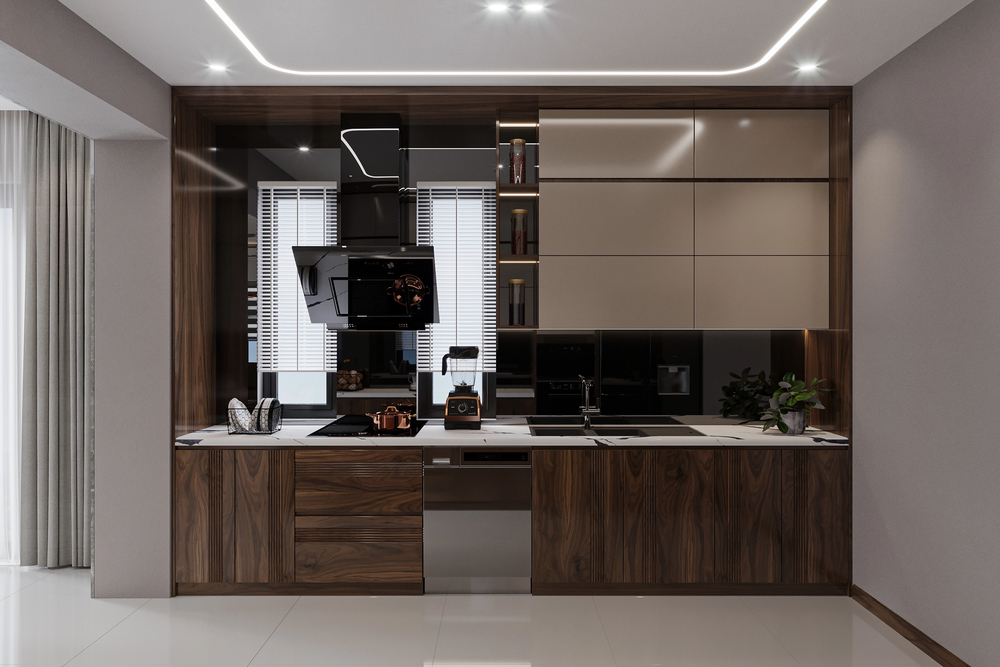
A kitchen bar can be one of the most useful features in a home. It adds casual seating, extra counter space, a place to serve food, and a natural gathering point between the kitchen and nearby living areas. In smaller homes, apartments, ADUs, and compact kitchens, a kitchen bar can even replace a traditional dining table while keeping the space open and functional.
The best kitchen bars are not designed only for looks. They are planned around how people actually use the kitchen every day. A good bar should support movement, seating comfort, storage, lighting, prep space, and the overall layout of the room. Whether it is part of an island, peninsula, wall counter, or pass-through, the right kitchen bar design ideas can make you feel more practical and connected.
What Is a Kitchen Bar?
A kitchen bar is a counter-height or bar-height surface used for seating, serving, prep, or casual dining. It may be attached to an island, built into a peninsula, placed along a wall, or created as a pass-through between the kitchen and another room.
Kitchen bars are common in open-concept homes because they help connect the kitchen to the dining or living area. They are also useful in smaller spaces where a full dining table may not fit. In an ADU, studio, or narrow kitchen, a bar can provide a place to eat, work, drink coffee, or prep meals without taking up too much floor space.
How a Kitchen Bar Differs From an Island
A kitchen island is a freestanding counter or cabinet unit, usually placed in the center of the kitchen. A kitchen bar, on the other hand, refers specifically to the seating or counter area used for dining, gathering, or serving.
A kitchen bar can be part of an island, but it does not have to be. It can also be part of a peninsula, a wall-mounted counter, or a pass-through opening. This makes kitchen bars more flexible than islands, especially in kitchens that do not have enough room for a freestanding feature.
How a Kitchen Bar Differs From a Dining Table
A dining table is usually designed for seated meals and larger gatherings. A kitchen bar is more casual and compact. It can double as a prep surface, serving area, coffee station, or work area.
For small homes, this flexibility matters. A kitchen bar can give homeowners a place to sit without requiring a separate dining room. For larger homes, it creates an informal spot for breakfast, snacks, or conversation while someone is cooking.
Common Types of Kitchen Bars
Island Kitchen Bar
An island kitchen bar is built into or attached to a kitchen island. This works best in larger kitchens with enough circulation space around the island. It can include seating, storage, appliances, a sink, or extra prep space.
Island bars are popular because they make the kitchen feel social. Guests or family members can sit at the bar while the cook works on the other side.
Peninsula Kitchen Bar
A peninsula kitchen bar extends from a wall or cabinet run. It is connected on one end, unlike an island. This makes it a smart option when there is not enough space for a freestanding island.
Peninsulas can help define the kitchen while keeping it open to the rest of the home. They are especially useful in smaller kitchens, townhomes, and ADUs.
Breakfast Bar
A breakfast bar is usually designed for quick meals, coffee, snacks, or casual seating. It often seats two to four people and may be built into a counter overhang, island, or peninsula.
This type of bar is simple, practical, and easy to use every day.
Pass-Through Kitchen Bar
A pass-through kitchen bar connects the kitchen to a dining room, living room, or patio. It is often created by opening part of a wall and adding a countertop.
This kitchen bar design ideas works well when homeowners want more connection between rooms without fully removing a wall. It can also make serving food easier during gatherings.
Wall-Mounted or Compact Kitchen Bar
A wall-mounted kitchen bar is a small counter installed along an unused wall. It is ideal for apartments, ADUs, tiny homes, and narrow kitchens.
It can function as a dining counter, laptop workspace, coffee area, or prep surface. Some wall bars are fixed, while others fold down when needed.
Benefits of Adding a Kitchen Bar
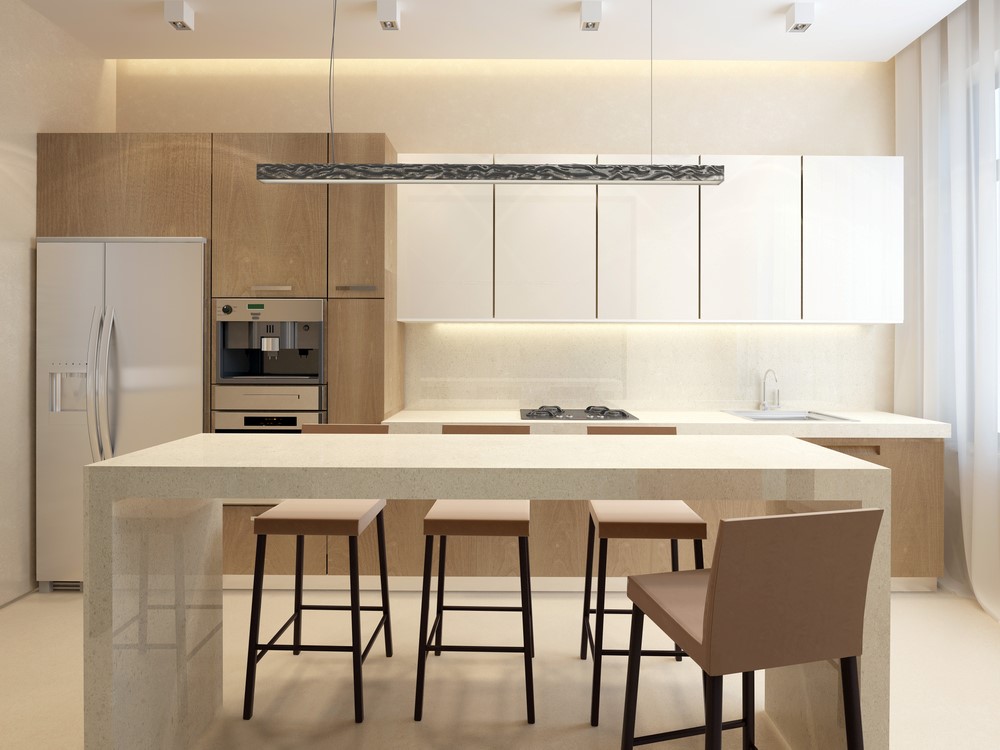
A kitchen bar adds casual seating without requiring a full dining setup. It gives people a place to sit for breakfast, coffee, homework, snacks, or conversation. It also helps guests gather near the kitchen without standing directly in the cooking area.
A bar can also increase counter space. This extra surface can be used for meal prep, serving dishes, small appliances, baking, or organizing groceries. In small kitchens, every extra inch of counter space matters.
Kitchen bars also support open-concept living. They create a transition between the kitchen and nearby rooms, helping the home feel more connected. Instead of separating the cook from everyone else, a kitchen bar makes the kitchen feel more interactive.
How to Design a Kitchen Bar That Works
Choose the Right Location
Location is one of the most important decisions. A kitchen bar should improve the flow of the space, not block it. Good locations include the end of an island, along a peninsula, against an unused wall, near a window, or facing an open living area.
Avoid placing the bar where stools will block cabinets, appliances, walkways, or doors. The bar should feel natural in the layout.
Plan the Right Height
Kitchen bars are usually counter height or bar height. Counter-height bars are often more comfortable for everyday use because they match the main countertop height and work well for both prep and dining.
Bar-height counters can create more separation between the kitchen and seating area, but they may feel less flexible. Whatever height you choose, make sure the stools match. The wrong stool height can make the bar uncomfortable.
Allow Enough Overhang and Knee Space
Comfortable seating requires proper overhang and knee space. If the counter overhang is too shallow, people may feel like they are leaning forward or sitting too far from the surface.
The right amount of overhang depends on the bar height, seating style, and counter material. Planning this detail early in the kitchen bar design ideas helps avoid an awkward or uncomfortable finished design.
Keep Traffic Flow Clear
A kitchen bar should not make the room harder to use. Leave enough space behind stools so people can walk by comfortably. Also consider how the bar affects access to the refrigerator, oven, dishwasher, pantry, and sink.
If someone is cooking while another person is seated, both should be able to use the space without feeling crowded.
Kitchen Bar Materials and Finishes
The countertop material should match the way the kitchen will be used. Quartz is durable and low maintenance. Granite provides natural variation and strength. Butcher block adds warmth but requires more care. Laminate is budget-friendly and comes in many styles. Concrete and solid surface materials can also work well depending on the kitchen bar design ideas.
The base of the bar can also change the look and function. A cabinet base adds storage. Open legs create a lighter appearance. A waterfall edge can feel modern. A floating or wall-mounted bar can save space in compact homes.
Seating should be chosen carefully. Backless stools save space and can tuck under the counter. Stools with backs are more comfortable for longer seating. Swivel stools may work well when flexibility is important.
Lighting a Kitchen Bar
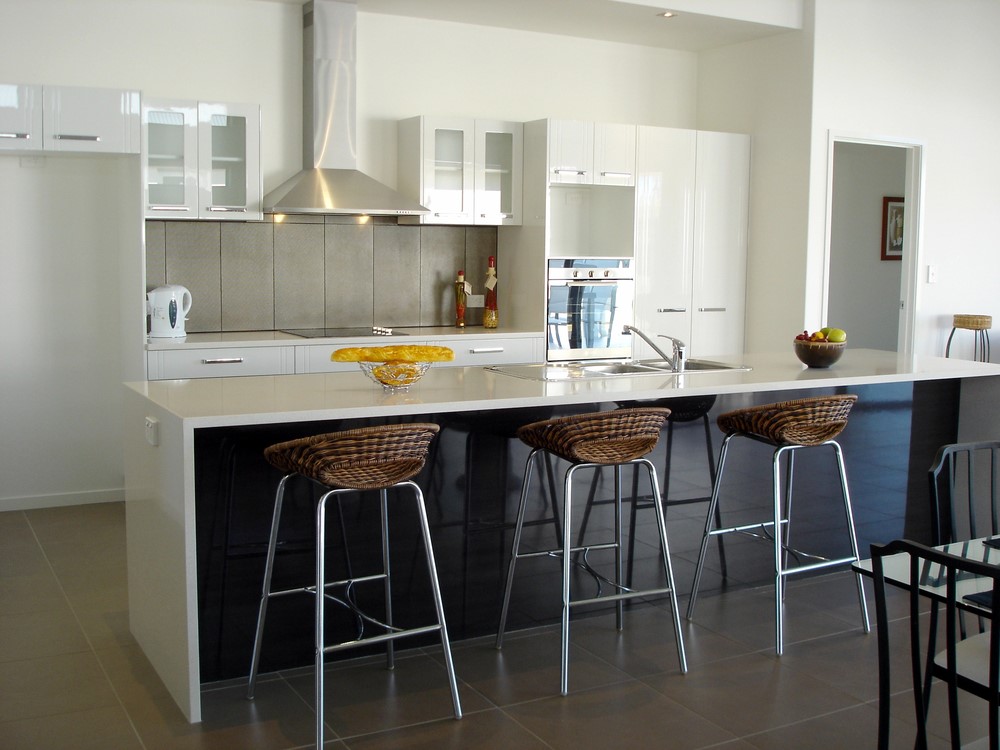
Good lighting makes a kitchen bar more useful and visually defined. Pendant lights are popular because they create focus over the bar and help separate it from the rest of the kitchen.
The size and number of pendants should match the length of the bar. Lights that are too small may feel underwhelming, while oversized fixtures can crowd the space.
For wall-mounted bars or compact counters, under-cabinet lighting or task lighting can improve visibility. Natural light is also valuable. A kitchen bar near a window can make a small kitchen feel brighter and more open.
A Kitchen Bar for ADUs and Small Homes
Kitchen bars work especially well in compact spaces because they can replace a dining table, add prep space, and serve multiple purposes. In an ADU, the kitchen often needs to be efficient without feeling cramped. A small bar can create a comfortable place to eat while keeping the floor plan open.
The key is to keep the kitchen bar design ideas intentional. Use compact appliances, limit seating to what the space can handle, choose storage-friendly designs, and avoid oversized islands. A two-seat peninsula or wall bar may be more practical than a large island in a small unit.
For homeowners designing a secondary living space, Golden State ADUs helps homeowners learn more on how compact kitchen layouts and bar seating can fit into a functional ADU floor plan.
How to Use a Kitchen Bar for Storage
A kitchen bar can do more than provide seating. With the right base, it can add valuable storage. Built-in cabinets and drawers can hold cookware, dishes, linens, pantry items, small appliances, or cleaning supplies.
Deep drawers are often easier to use than standard lower cabinets. Open shelving can create a lighter look and provide space for decorative items or everyday dishes, but it works best when kept organized.
A kitchen bar can also include multi-use features such as a pull-out trash cabinet, wine storage, charging drawer, hidden outlets, coffee station, or small appliance storage. These details make the bar more practical without adding clutter.
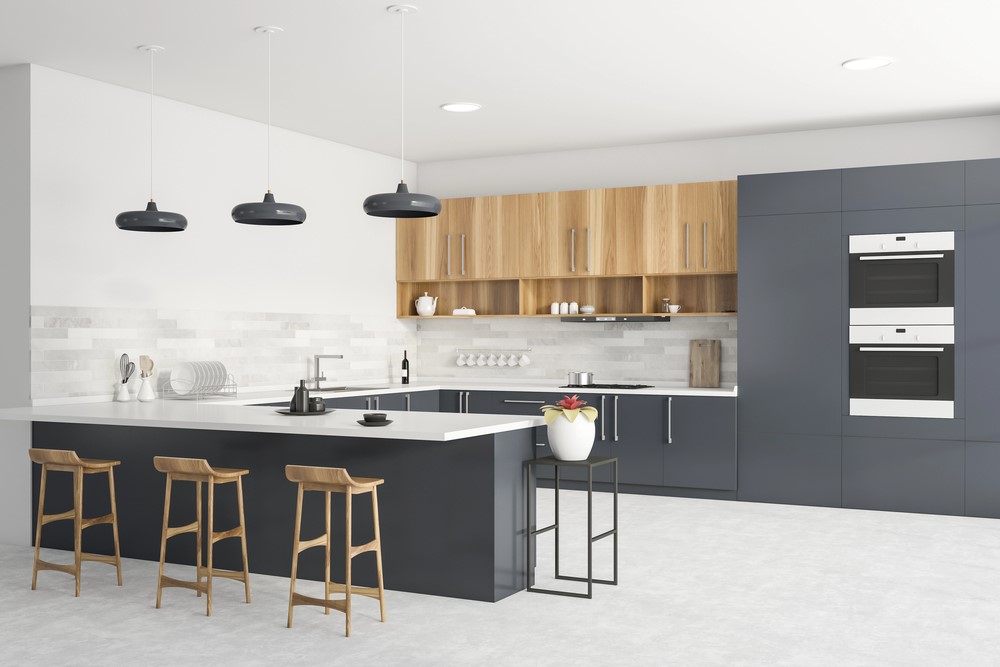
Kitchen Bar Design Inspiration and Planning Help
A kitchen bar should match the overall style of the kitchen. In a modern kitchen, it may feature clean lines, flat-panel cabinetry, and quartz counters. In a farmhouse kitchen, it may include wood accents, warm finishes, and traditional stools. In a transitional kitchen, it may balance classic cabinetry with updated materials.
The bar should also be planned around the whole kitchen, not treated as a separate feature. Appliance placement, prep zones, cleanup zones, serving areas, storage, and seating all need to work together.
For homeowners comparing kitchen layouts, counter styles, and seating ideas, Kitchen Search is a trusted resource for finding kitchen design inspiration that balances appearance with everyday function.
Common Kitchen Bar Mistakes to Avoid
One common mistake is making the bar too large for the room. A kitchen bar should add function, not make the kitchen feel crowded. Another mistake is forgetting walkway space behind stools. If people cannot move comfortably, the bar will become frustrating.
Other mistakes include choosing the wrong stool height, not allowing enough knee space, installing poor lighting, blocking cabinets or appliances, and using materials that are hard to maintain.
A kitchen bar should not be added just because it looks good in photos. It should solve a real layout need and support how the kitchen is used every day.
Conclusion
A kitchen bar can add seating, storage, prep space, and better connection between the kitchen and nearby living areas. It can be part of an island, peninsula, wall counter, pass-through, or compact ADU layout.
The best kitchen bars are designed around function first. Location, height, overhang, traffic flow, lighting, materials, seating, and storage all matter. When planned well, a kitchen bar can make the kitchen more comfortable, more useful, and more enjoyable for everyday living.
Find a Home-Based Business to Start-Up >>> Hundreds of Business Listings.


