







































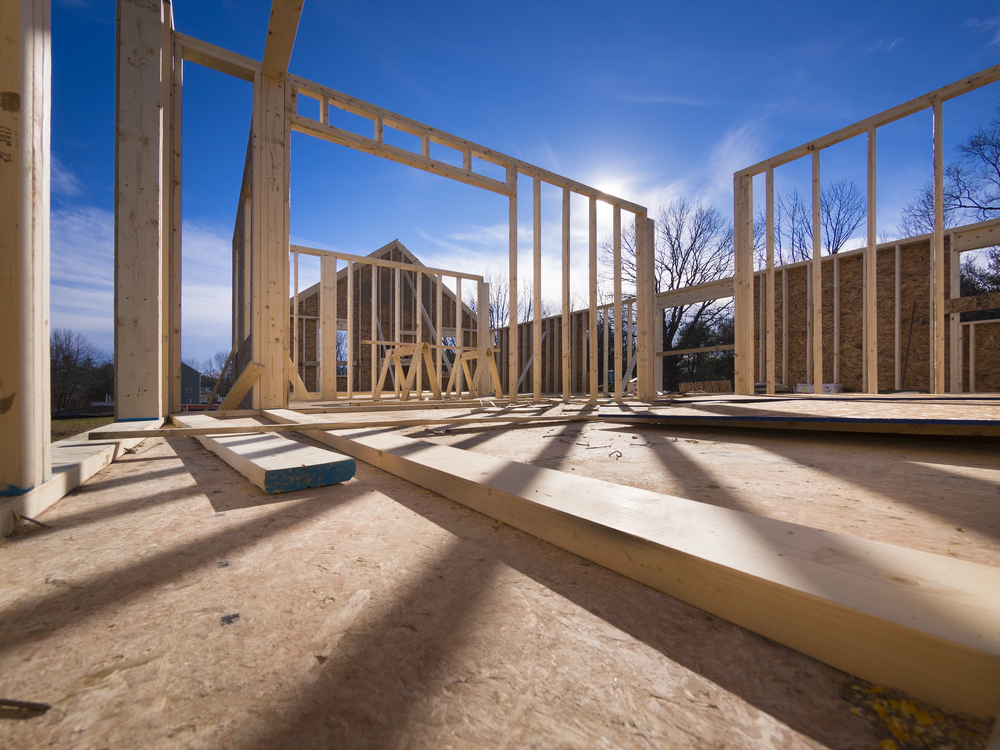
Choosing the right construction site location is one of the most important decisions in any building project. A property may look attractive because of its price, view, neighborhood, or size, but that does not always mean it is easy or affordable to build on. Before buying land or starting design work, homeowners and builders need to understand whether the site is legally buildable, physically suitable, and practical for the project they have in mind.
A strong site supports the structure, fits the budget, meets local requirements, and allows the finished property to function well for years. A poor site can create expensive challenges, including permit delays, utility issues, drainage problems, soil complications, access limitations, and design restrictions. Learning how to choose a construction site location starts with looking beyond the surface and evaluating the property from every angle.
Start With the Purpose of the Project
Define What You Want to Build
The first step is to clarify the type of project. Are you building a single-family home, custom residence, addition, accessory dwelling unit, investment property, or mixed-use structure? Each project type has different site requirements.
A custom home may need a larger lot, flexible layout options, privacy, and outdoor space. An ADU may require careful placement behind or beside an existing home. A renovation or rebuild may depend on the condition of the current structure, access to the site, and local code requirements.
The intended use should guide the site decision from the beginning. A property that works well for one project may not work for another.
Think About Long-Term Use
A good construction site should support both current and future needs. Think about how the property will be used in five, ten, or twenty years. Will it be a primary residence, rental, family property, retirement home, or resale investment?
Long-term considerations may include parking, outdoor living space, accessibility, future additions, privacy, storage, and resale value when you choose a construction site location. If the property cannot support those goals, it may not be the right location, even if the price seems appealing.
Check Zoning and Land Use Rules First
Confirm What the Property Allows
Zoning determines what can legally be built on a site. It may control the type of structure, building height, lot coverage, density, setbacks, parking, and permitted uses. Before moving forward, confirm that the property allows the project you want to build.
For example, a lot may be zoned for single-family use but have restrictions on additional structures, building size, or lot coverage. In some cases, the desired project may require a variance, special approval, or design review.
Review Setbacks, Easements, and Restrictions
Setbacks determine how far a structure must be from property lines, streets, alleys, or other buildings. Easements may give utility companies, neighbors, or municipalities the right to access part of the land. These restrictions can limit where you can build.
It is also important to check for HOA rules, historical district requirements, environmental restrictions, tree protection rules, and neighborhood design guidelines. These may affect design, materials, height, landscaping, fencing, and exterior appearance.
Understand Local Permit Requirements
Permits can affect both timeline and budget. Depending on the property and project, you may need building permits, grading permits, demolition permits, tree removal permits, septic approvals, sewer approvals, stormwater plans, or environmental reviews.
Permit requirements should be reviewed early, not after design work is already complete. This helps prevent delays and costly redesigns.
Evaluate Physical Buildability
Soil Conditions
Soil plays a major role in construction. Strong, stable soil can support a standard foundation, while poor soil may require engineering, deeper footings, soil stabilization, or special foundation systems. These solutions can add significant cost.
A geotechnical report may be needed to evaluate soil bearing capacity, groundwater, expansive soil, erosion risk, and slope stability. This is especially important for hillside lots, waterfront properties, rural land, and areas with known soil issues.
Slope and Grading
Flat sites are usually easier and less expensive to build on. Sloped sites can still be valuable and beautiful, but they often require more planning. A steep lot may need retaining walls, stepped foundations, drainage systems, specialized equipment, and additional engineering.
Grading also affects driveway placement, outdoor living areas, accessibility, and water runoff. Before choosing a site, consider how much earthwork will be required to make the property usable.
Drainage and Flood Risk
Poor drainage can create serious long-term problems. If water collects near the foundation, it can lead to structural issues, mold, erosion, and expensive repairs. Review how water moves across the property and whether the site is in a flood zone.
Stormwater requirements can also affect construction. Some jurisdictions require drainage plans, infiltration systems, rain gardens, detention systems, or erosion control measures. These should be included in the budget before construction begins.
Consider Utility Access and Infrastructure
Water, Sewer, and Septic
A site with public water and sewer access is often easier to develop than a site that requires a well or septic system. If public utilities are not available, the property may need soil testing, septic design, well drilling, and health department approval.
Utility availability can also affect where the structure can be placed. A septic system, drain field, well, and reserve area may limit usable space on the lot.
Power, Gas, and Internet
Electricity, gas, and internet access are also important. If utilities are already available at the property line, connection may be straightforward. If not, extending utilities can be expensive and time-consuming.
Internet access is especially important for modern homeowners who work remotely or rely on connected home systems. Rural or undeveloped locations may require additional research before purchase.
Road Access and Construction Access
A buildable site must be accessible for workers, trucks, equipment, deliveries, concrete, emergency vehicles, and inspections. Narrow roads, steep driveways, tight turns, or limited staging areas can complicate construction.
Even if the finished home will be accessible, the construction process itself needs room for materials, machinery, waste removal, and safe movement around the site.
Analyze Location, Neighborhood, and Lifestyle Fit
Proximity to Daily Needs
Location still matters beyond technical feasibility. Consider distance to work, schools, shopping, healthcare, parks, public transportation, and major roads. A property should support the daily lifestyle of the people who will use it.
Some buyers prioritize privacy and land. Others need convenience, walkability, or access to city services. The right choice depends on the purpose of the project and how you choose a construction site location.
Neighborhood Character and Future Growth
Look at nearby homes, property values, traffic patterns, noise, planned development, and neighborhood growth. A site may become more valuable if the area is improving, but nearby development may also change privacy, views, or traffic.
Long-term resale potential should be part of the decision, especially for investment properties or custom homes.
Sun Exposure, Views, and Orientation
The direction a site faces can affect natural light, energy efficiency, window placement, outdoor living areas, and overall comfort. A well-oriented home can take advantage of sunlight, views, breezes, and privacy.
Before designing the structure, study how the sun moves across the property and where the best views or outdoor spaces should be located.
Match the Site to Your Budget
Land Price Is Only One Part of the Cost
The purchase price of the land is only the starting point. Site development costs can include clearing, grading, utility connections, driveways, drainage systems, retaining walls, surveys, permits, engineering, and demolition.
A lot that seems affordable may become expensive once all preparation costs are included.
Account for Hidden Site Development Costs
Hidden costs can include soil reports, environmental studies, tree removal, rock excavation, stormwater systems, utility extensions, erosion control, and access improvements. These expenses can shift the overall budget quickly.
Before committing to a property, create a realistic site development estimate. This helps compare properties based on total project cost, not just land price.
Avoid Choosing a Site Based on Price Alone
The cheapest lot is not always the best deal. A higher-priced property with utilities, good soil, easy access, and fewer restrictions may save money in the long run. A lower-priced property with steep slopes, poor drainage, or utility challenges may cost far more to develop.
The best site is the one that balances price, feasibility, timeline, and long-term value.
Choosing a Site for an ADU or Smaller Residential Build
Check Lot Size, Access, and Placement
ADU projects require careful site evaluation. Lot size, setbacks, utility connections, parking rules, privacy, and access all affect whether an ADU is feasible. Even though an ADU is smaller than a primary home, it still needs thoughtful planning.
The best ADU sites allow the secondary structure to function independently while still fitting naturally on the property.
Think About Privacy and Shared Outdoor Space
ADU placement should consider windows, entrances, outdoor areas, pathways, fencing, and the relationship between the main home and the secondary unit. Privacy matters for both households.
For homeowners evaluating ADU options on a property in the Pacific Northwest, Seattle Modern Buildings ADU Builder offers professional insight into local ADU planning, site layout, and construction considerations.
When to Bring in Construction Professionals
Get Expert Input Before Buying or Building
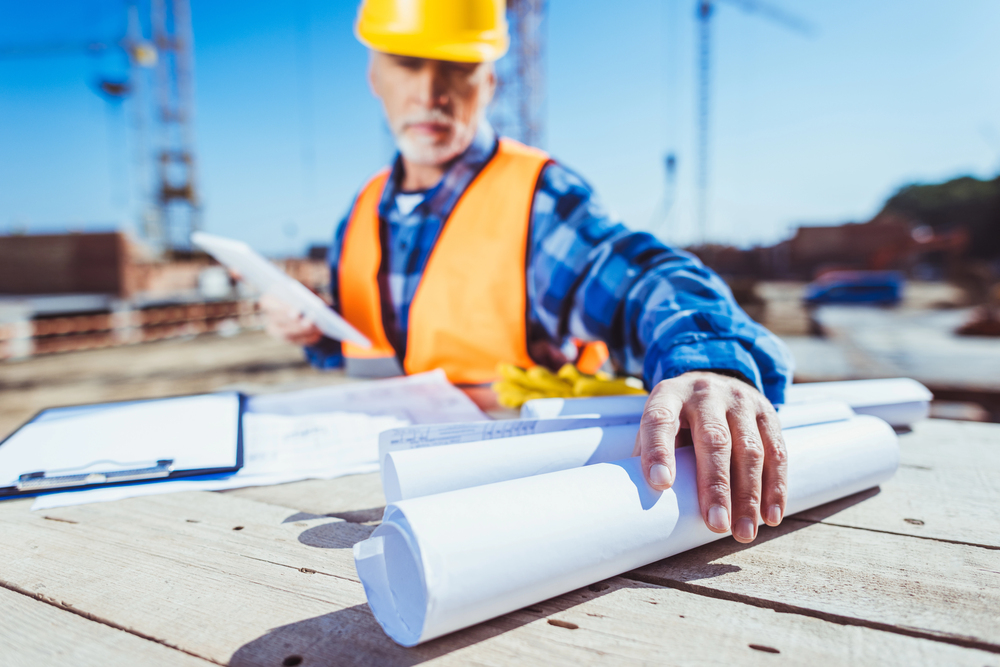
Professional input can help identify problems before they become expensive. Contractors, architects, engineers, surveyors, and land-use consultants can review zoning, site access, soil conditions, utility needs, and construction feasibility.
This is especially important before purchasing land. Once the property is bought, the buyer may be responsible for solving whatever challenges come with it.
Use Feasibility Reviews to Reduce Risk
A feasibility review can clarify whether the project fits the site. It can also estimate site preparation costs, identify permit concerns, and help determine whether the property is worth pursuing.
For homeowners planning a new build, major renovation, or restoration project, Golden Coast Construction & Restoration helps many homeowners evaluate construction needs and coordinate the practical details that affect buildability and long-term project success.
Common Mistakes to Avoid When Choosing a Construction Site
One common mistake is buying land before checking zoning. Another is assuming every lot is buildable simply because it is listed for sale. Buyers may also underestimate utility costs, ignore drainage issues, overlook easements, or fail to account for construction access.
Other mistakes include choosing views over feasibility, skipping a survey, forgetting about soil conditions, and not budgeting for permits or engineering. These issues can delay construction, increase costs, or force major design changes.
Conclusion
Knowing how to choose a construction site location means looking at the property from every practical angle. The right site should support the intended project, comply with zoning rules, provide safe access, connect to necessary utilities, handle drainage properly, and fit the overall budget.
A beautiful lot is only valuable if it can support the structure you want to build. By reviewing legal requirements, physical conditions, utility access, lifestyle needs, and hidden development costs early, homeowners can make smarter decisions and avoid costly surprises. Careful site selection creates a stronger foundation for the entire construction project.
Find a Home-Based Business to Start-Up >>> Hundreds of Business Listings.