





































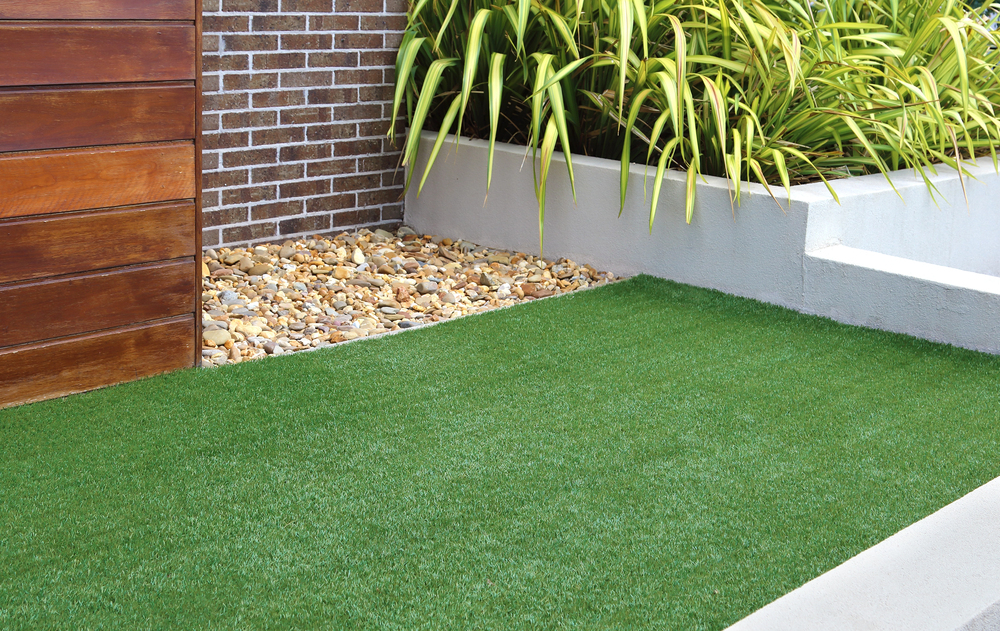
Grass-supporting turf systems address a practical concern. Many properties need a surface that tolerates repeated use, sheds water, and still permits living blades to return. That balance matters in play areas, pet zones, and worn paths. A solid synthetic cover can trap heat and impede recovery, while exposed soil becomes muddy, compacted, and unstable. Hybrid surfaces offer a middle option, with protection above and biological activity still possible below.
How These Systems Work
These products rely on spacing, drainage, and contact with the root zone. In active yards, turf that grass grows through can help preserve the plant crown after repeated wear, while the systems still allow moisture, oxygen, and light to reach the soil surface. That matters because regrowth begins at the crown, not at the clipped leaf tip. A supportive layer reduces direct pressure without sealing the ground.
Light, Water, and Air Matter
Healthy growth depends on three basic inputs, plus suitable temperature. Openings in the surface allow sunlight to reach young shoots. Water moves downward instead of collecting on top. Air exchange helps roots respire and supports microbial activity beneath the surface. If one factor drops too low, germination slows, coverage thins, and weak patches persist longer than expected, even where seed quality is strong.
Traffic Changes the Outcome
Repeated footfall changes plant recovery more than many people expect. Dogs, running children, and daily walking can shear leaves and compress the soil below. A hybrid layer reduces some of that direct abrasion by slightly lifting paws and shoes above the crown. Even with that buffer, the busiest routes often fill in more slowly. Outer edges usually recover first because they receive less concentrated pressure.
Seed Choice Still Counts
The surface alone cannot determine lawn quality. Grass selection should match local climate, sun exposure, and seasonal growth pattern. Cool-season types behave differently from warm-season varieties under stress. Overseeding can help thin areas regain density where wear has reduced cover. Timing also shapes success. Seed placed during active growth establishes roots faster and has a better chance of tolerating later traffic and mowing.
Installation Affects Performance
Preparation often decides whether a system works well over time. Uneven ground creates weak contact, shifting, and areas where water lingers too long. Level, firm soil helps the turf sit flat and remain stable after rain. A seeded base gives emerging shoots a direct path upward through the openings. If the layer moves or wrinkles, root development may slow. Secure edges also reduce trip risk.
Mowing and Upkeep Stay Simple
Appearance Can Shift by Season
Visual changes throughout the year are normal and do not always signal poor performance. During active growth, natural blades may cover most of the synthetic layer. In dormancy, the manufactured surface can show through more clearly against brown or resting grass. Heat, shade, and repeated use may also create patchy areas. Seasonal variation reflects plant biology first and foremost, while product failure is a separate issue.
Drainage Plays a Practical Role
Mud control is a common reason to consider these systems. Raised synthetic fibers help keep feet and paws slightly above wet soil. An open structure also allows water to pass through rather than remain on the surface. That can improve day-to-day cleanliness after rain. Still, drainage has limits. Poor grading, dense clay, or low spots can continue to cause pooling, even when the upper layer performs well.
It Can Work Without Full Grass Cover
Some installations never produce a thick, uniform lawn, and that does not always mean the setup failed. In shaded corners, narrow runs, or compacted side yards, sparse growth may still offer practical value. The turf can improve footing, reduce mess, and create a softer visual effect than bare ground alone. For many households, cleaner use and less mud matter more than complete botanical coverage.
Choosing the Right Fit
The best choice depends on traffic level, climate, maintenance habits, and appearance goals. Households that want living grass should look for systems that permit light, water, and air to reach the soil. They should also plan for seeding, mowing, and routine weed control. Hybrid turf is not a cure-all, yet it can be a sensible option. With realistic expectations, natural regrowth and everyday durability can coexist.
Find a Home-Based Business to Start-Up >>> Hundreds of Business Listings.