








































The Definition of Home Luxury Has Changed
There was a time when home luxury was easy to identify. Oversized chandeliers. Highly formal living rooms. Furniture that looked impressive but rarely invited anyone to actually sit down and stay awhile. Luxury interiors were often designed for presentation first and comfort second.
That definition has changed dramatically.
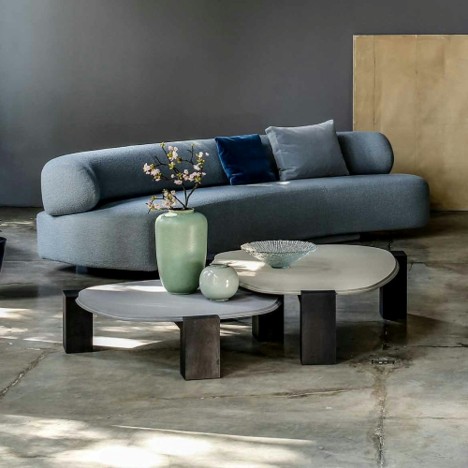
Today, modern home luxury feels quieter. More personal. More connected to how people actually live. Homeowners are moving away from spaces that feel overly styled and toward interiors that create atmosphere, rooms that feel calm, layered, and deeply livable at the same time. And honestly, that shift has changed contemporary interior design in some very interesting ways.
Modern Loft sits directly in the middle of this evolution.
Why Atmosphere Matters More Than Excess
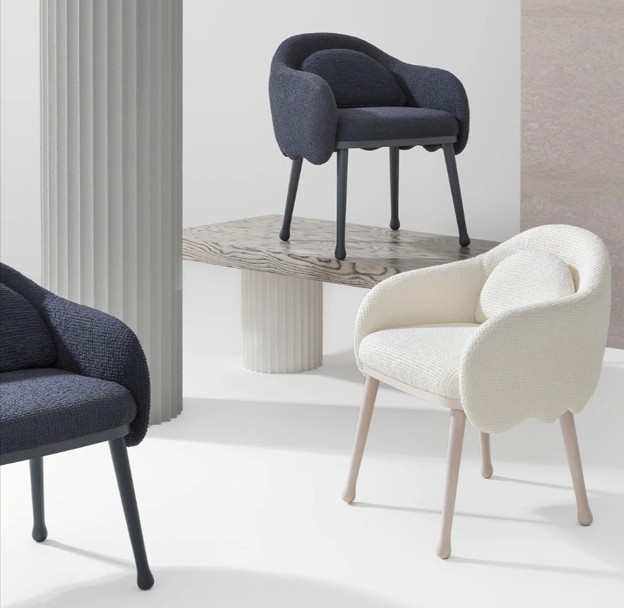
Rather than chasing trend-heavy aesthetics, Modern Loft has become known for creating interiors that balance architectural structure with warmth. The difference is noticeable immediately. Softer silhouettes replace rigid lines. Textured upholstery takes priority over flashy finishes. Furniture feels intentional instead of excessive.
And yes, the difference is unmistakable in person.
What makes this shift particularly interesting is that it reflects something much larger happening culturally. Over the last several years, people have become more emotionally connected to their homes. Living spaces are no longer treated as purely visual environments. They’ve become places for recovery, focus, gathering, and everyday comfort.
That emotional connection has reshaped what consumers expect from luxury furniture brands.
Contemporary Interior Design Feels More Human Now
Today’s homeowners want interiors that feel elevated without feeling intimidating. They want spaces that photograph beautifully but also function beautifully on a random Tuesday night. That balance is much harder to achieve than most people realize.
Modern Loft understands this better than many brands in the contemporary interior design space.
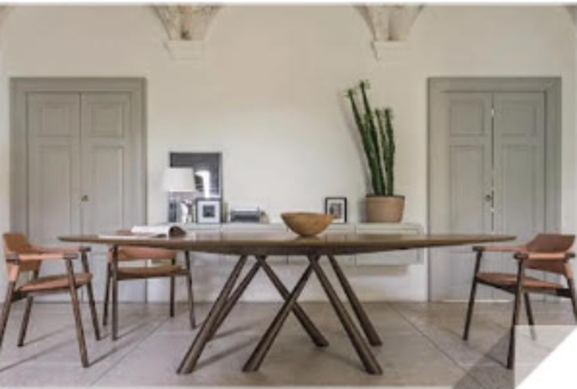
Instead of overcrowding rooms with statement pieces competing for attention, the focus shifts toward restraint and proportion. A sculptural sofa. A textured lounge chair. A warm wood dining table with enough visual weight to anchor the room without overpowering it. These choices create atmosphere naturally rather than forcing it.
We’ve seen this play out again and again.
Some of the most luxurious homes today are actually the simplest ones — not because they lack personality, but because every piece feels considered.
The Return of Furniture Classics
That’s also why furniture classics are becoming important again. Homeowners are moving back toward timeless silhouettes and investment pieces instead of constantly replacing trend-driven furniture every few years. The emphasis is now on longevity, craftsmanship, and materials that age well over time.
A few elements defining modern home luxury right now include:
- Warm neutral palettes instead of stark whites
- Natural materials like walnut, linen, stone, and boucle
- Curved or sculptural furniture silhouettes
- Softer lighting and layered textures
- Fewer but better furniture pieces
This approach creates rooms that feel composed without feeling rigid.
Modern Loft reflects this movement particularly well because the focus remains on balance. The rooms feel elevated without becoming untouchable. Refined without losing warmth. That distinction matters more now than ever.
Why Modern Loft Resonates With Today’s Homeowners
Perhaps that’s the biggest difference in modern home luxury today. It no longer feels performative. The goal is not to impress people with excess, but to create spaces people genuinely want to spend time in.
That’s a major reason brands like Modern Loft continue resonating with modern homeowners. The aesthetic feels refined, but still approachable. Elevated, but comfortable. Thoughtful, but never overly decorated.
In many ways, contemporary interior design is finally becoming more human again.
And honestly, that may be the most luxurious thing of all.
Q&A
What Is the Difference Between Classic and Modern Furniture?
Classic furniture emphasizes ornate detailing and traditional craftsmanship, while modern furniture focuses on clean lines, simplicity, and functionality.
Which Luxury Furniture Brands Are Made in the USA?
Many luxury furniture brands manufacture in the United States, particularly in North Carolina and California, where high-end upholstery and woodworking remain strong.
What Are “Accessible” Luxury Brands?
Accessible luxury brands offer elevated materials and refined design at a more attainable price point than ultra-exclusive designer labels.
What Is the Difference Between Modern and Contemporary Design?
Modern design refers to a specific historical movement, while contemporary interior design reflects current styles and evolving trends.
How Do I Add Warmth to a Contemporary Space?
Layering warm woods, textured fabrics, soft lighting, and natural materials helps contemporary interiors feel more inviting.
What Is the 2/3 Rule in Interior Design?
The 2/3 rule suggests furniture and decor should fill roughly two-thirds of the surrounding space to create visual balance.
What Is the 4-inch Rule?
The 4-inch rule commonly refers to spacing artwork or furniture slightly away from surrounding elements for cleaner proportions.
Why Does Luxury Furniture Cost so Much?
Luxury furniture costs more because of premium materials, skilled craftsmanship, higher-quality construction, and longer-lasting durability.
Popular Interior Design Styles
Scandinavian
A clean, nature-inspired style centered around simplicity, light woods, and neutral tones.
Japandi
A calming blend of Japanese and Scandinavian aesthetics focused on minimalism and natural materials.
Boho
An eclectic style featuring layered textures, vintage pieces, and artistic individuality.
Mediterranean
A warm, coastal-inspired style defined by earthy tones, rustic materials, and relaxed elegance.
Farmhouse
A cozy aesthetic built around natural wood, vintage character, and comfortable living.
Midcentury
A retro-modern style known for organic shapes, warm woods, and iconic furniture classics.
Industrial
An urban-inspired style featuring exposed brick, steel, concrete, and weathered textures.
Bauhaus
A functional design movement emphasizing geometry, simplicity, and practical form.
Minimalism
A pared-back style focused on intentional living and uncluttered spaces.
Traditional
A timeless style featuring classic furnishings, rich wood tones, and elegant detailing.
Art Deco
A glamorous style recognized for geometric patterns, metallic finishes, and bold accents.
Contemporary
A trend-forward style blending multiple influences to create fresh, current interiors.
Transitional
A balanced mix of traditional and contemporary interior design elements.
Victorian
A richly layered style featuring ornate details, jewel tones, and decorative patterns.
Coastal
A relaxed style inspired by ocean tones, natural textures, and airy interiors.
Conclusion
Home luxury no longer revolves around filling a room with expensive objects simply for the sake of appearance. Today, the most memorable interiors are the ones that feel intentional, calming, and genuinely livable. Atmosphere has replaced excess, and contemporary interior design is better for it.
That shift in home luxury explains why brands like Modern Loft continue resonating with modern homeowners. The focus is no longer on creating spaces that feel untouchable. Instead, it’s about thoughtful furniture, layered textures, timeless silhouettes, and rooms people actually want to live in every single day.
And in many ways, that softer, more personal approach to luxury may prove far more lasting than any passing design trend.
Find a Home-Based Business to Start-Up >>> Hundreds of Business Listings.