







































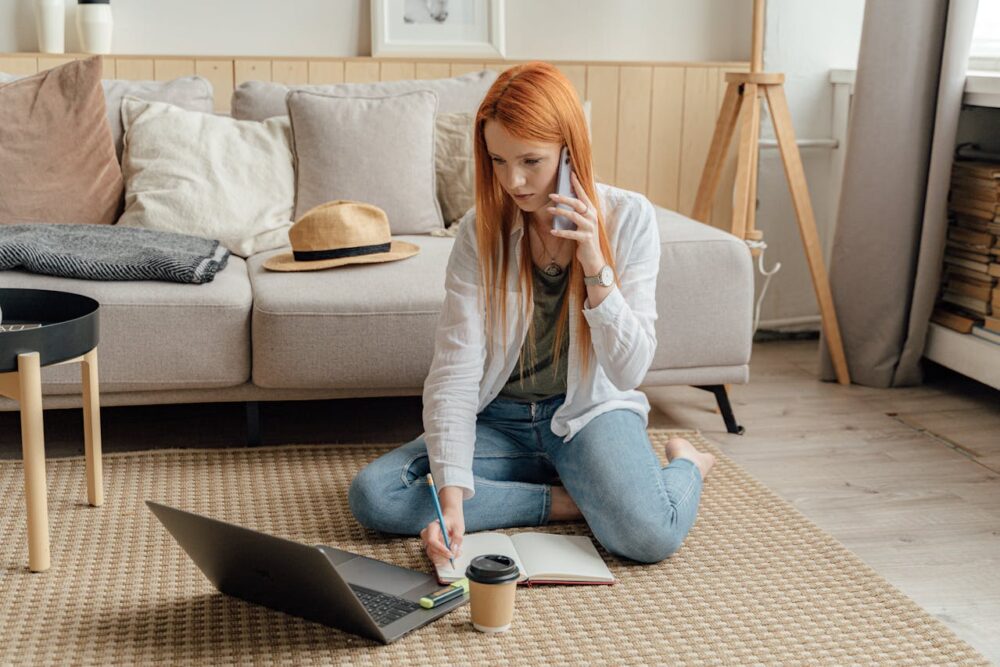
A few years ago, “working remotely” mostly meant answering emails from the kitchen table while pretending the laundry pile was not judging you. Now, it can mean opening your laptop in a café, a hotel lobby, a camper van, a members’ club, a garden office — or, in one of the stranger and more delightful twists of the hybrid era, a cricket stadium.
Surrey County Cricket Club recently drew attention with its “Work From Oval” idea, inviting professionals to work from The Kia Oval while watching live cricket. The offer included the practical essentials — Wi-Fi, desks and power access — plus the not-so-standard bonus of a county match unfolding in the background. It sounds like a novelty, but it points to something bigger: remote work is no longer just changing where people work. It is changing where people spend money.
That shift matters for entrepreneurs. Market research experts at Savanta often help businesses understand changing audiences, and the work-from-anywhere economy is exactly the kind of trend where customer insight matters.
It is easy to say “remote workers want flexibility.” It is more useful to know which remote workers want quiet spaces, which want community, which want convenience, and which are simply desperate for somewhere with decent coffee and a chair that does not threaten their spine.
According to the Office for National Statistics, more than a quarter of working adults in Great Britain hybrid worked between January and March 2025. In plain English: millions of people are no longer following the old Monday-to-Friday commute pattern. Their routines have loosened. Their locations have multiplied. Their needs are popping up in places businesses did not previously expect.
Remote Work Has Escaped the Spare Room
The first wave of remote work was defensive. People made do. A dining chair became an office chair. A bedroom corner became a Zoom studio. Pets became unofficial colleagues. Everyone learned the emotional importance of the mute button.
But the current wave is more intentional. People are asking not just, “Can I work away from the office?” but “Where do I actually work best?” For some, the answer is still home. For others, it is a coworking space, a local café, a hotel lounge, a holiday cabin or a venue that was never designed as an office in the first place.
For home-based entrepreneurs, this is the real lesson: when routines change, markets change with them.
The Weekday Customer Is Being Rewritten
Traditional business assumptions used to be wonderfully neat. Office workers bought lunch near the office. Commuters grabbed coffee near the station. Parents ran errands near home. Leisure venues made most of their money outside working hours.
Hybrid work has made that map messier — and more interesting.
A remote worker might buy coffee in a village at 10 a.m., take a client call from a hotel lobby at noon, order a meal kit because they are tired of making lunch, attend a networking event at 4 p.m., and finish the day browsing ergonomic desk accessories because their back has officially resigned.
That creates micro-markets: small, specific pockets of demand shaped by new routines. They are not always huge. They are not always obvious. But for a small or home-based business, they can be exactly the right size.
For example, a virtual assistant could specialise in supporting consultants who travel while working. A local café could create quiet laptop mornings for freelancers. A personal trainer could offer lunchtime sessions for hybrid professionals who are not near a city gym anymore. A meal prep business could target remote workers who want healthy lunches but are bored of eating toast while standing over the sink.
None of these ideas requires a giant office, a giant team or a giant budget. They require observation, timing and a clear understanding of a specific customer.
What Home-Based Entrepreneurs Can Learn From the Work-From-Anywhere Economy
The biggest opportunity is not simply “sell to remote workers.” That is too broad. Remote workers are not one tribe marching across the economy in matching noise-cancelling headphones.
There are remote-working parents who need flexibility around school runs. There are freelance creatives who want atmosphere and community. There are corporate managers who need privacy for calls. There are digital nomads who care about Wi-Fi more passionately than some people care about politics. There are burned-out employees who want a side business that lets them reclaim control of their time.
Home Business Magazine has already explored practical ways to stay focused and efficient while working remotely in its guide to remote work productivity. That focus on structure is important because the next stage of remote work is not just about freedom. It is about designing better routines — and businesses can help people do that.
The entrepreneurs who win will be the ones who stop treating remote work as a single trend and start treating it as a collection of behaviours.
Micro-Markets Start With Everyday Friction
A micro-market appears when a specific group develops a specific need at a specific moment. The work-from-anywhere economy is full of them, usually hiding somewhere between a dying laptop battery, a noisy café table and a calendar invite that really should have been an email.
Think about the remote worker who wants to leave the house but does not want a formal coworking membership. Or the hybrid employee who comes into the city twice a week and needs faster lunches, quicker appointments and services clustered around those precious office days. Or the founder who has outgrown the kitchen table but is not ready for office rent.
The best opportunities often start with friction:
Where are people uncomfortable?
Where are they wasting time? Where are they improvising?
A café full of laptop users fighting over plug sockets, parents taking calls from parked cars, or freelancers hopping between noisy spaces because they need professional energy without a long lease — each moment contains a possible business.
Even travel is changing. Home Business Magazine recently covered why the glamping economy is growing fast among remote workers, a trend that shows how people are blending productivity with lifestyle. When work can travel, so can spending.
The trick is not to romanticise the trend. Working from anywhere is glamorous in LinkedIn posts and slightly less glamorous when the Wi-Fi drops during a client presentation. Entrepreneurs who solve the unglamorous problems — power, privacy, food, focus, childcare, connection, admin and trust — will often create the most useful offers.
The Opportunity Is Local, Digital and Human
One of the most interesting things about the work-from-anywhere economy is that it is not purely digital. Yes, it creates demand for apps, software, online services and virtual support. But it also creates demand for physical places and human experiences.
People may want flexibility, but many still want atmosphere. They want independence, but they also want connection. They want to avoid the commute, but they do not necessarily want to spend every weekday alone beside a suspiciously warm laptop.
That opens the door for home-based entrepreneurs who understand their local area. A small business does not need to compete with global platforms to serve a real need. It can create a better weekday experience for a defined group of people nearby.
A photographer can offer personal branding shoots for consultants who now sell mostly online. A caterer can create remote-worker lunch boxes for local delivery. A business coach can help professionals turn flexible work into a flexible side venture. A venue owner can turn quiet weekdays into paid work sessions.
The common thread is not remote work itself. It is the reshaping of everyday life.
Find a Home-Based Business to Start-Up >>> Hundreds of Business Listings.