









































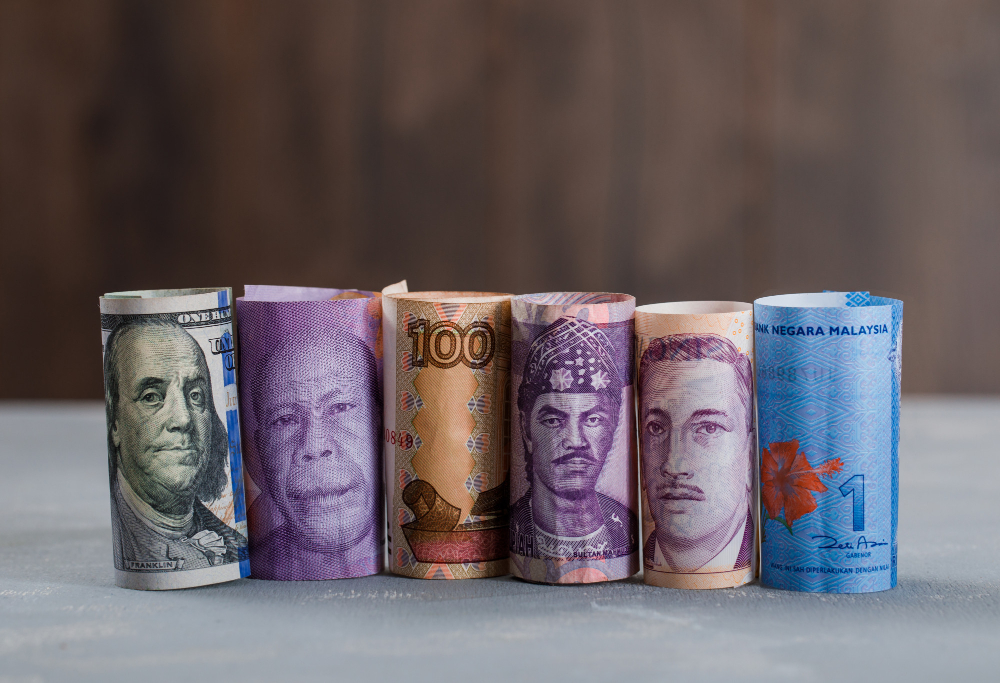
The exchange rate between the Chinese yuan and the United States dollar remains one of the most important currency relationships in the global economy. Commonly referred to as CNY/USD or USD/CNY depending on market direction, the currency pair influences international trade, manufacturing costs, commodity pricing, global investment flows, and central bank policy decisions worldwide.
As the world’s second-largest economy, China plays a major role in global exports, industrial production, and international supply chains. Because of this, fluctuations in the yuan-to-dollar exchange rate can significantly affect businesses, investors, importers, exporters, and financial markets across multiple industries.
Recent currency market volatility has been driven by factors including interest rate policy, economic growth concerns, inflation, geopolitical tensions, trade disputes, and changing capital flows between China and the United States. Investors closely monitor the yuan because it reflects broader sentiment surrounding China’s economy, manufacturing sector, and international trade activity.
This article explains how the Chinese yuan to dollar exchange rate works, what factors influence CNY/USD movements, why the currency pair matters globally, and what analysts expect for future market trends.
What Does the Chinese Yuan to Dollar Exchange Rate Mean?
Key Takeaways
- The yuan-to-dollar exchange rate impacts global trade and manufacturing.
- China’s economy heavily influences international currency markets.
- Interest rate policies affect CNY/USD price movements.
- Trade tensions may increase currency volatility.
- The US dollar remains the world’s dominant reserve currency.
- Investors monitor the yuan as an indicator of Chinese economic health.
- Central bank actions strongly influence exchange rates.
- Currency fluctuations affect imports, exports, and inflation globally.
Understanding the Chinese Yuan and US Dollar
What Is the Chinese Yuan?
The Chinese yuan, also known as the renminbi (RMB), is China’s official currency.
It plays a critical role in:
- International trade
- Manufacturing exports
- Foreign exchange reserves
- Global commodity markets
Why the US Dollar Matters Globally
The US dollar remains the dominant global reserve currency used in:
- International trade
- Energy markets
- Global finance
- Central bank reserves
Because of this dominance, dollar strength affects economies worldwide.
How the CNY/USD Exchange Rate Works
Exchange Rate Basics
The exchange rate determines how much one currency can buy relative to another.
For example:
- A stronger yuan means Chinese currency gains value against the dollar.
- A stronger dollar means the yuan weakens relative to the US currency.
Managed Currency System
Unlike fully free-floating currencies, China’s currency system involves significant oversight from the People’s Bank of China.
China manages the yuan within controlled trading ranges to maintain financial stability.
What Influences the Yuan-to-Dollar Exchange Rate?
Interest Rate Differences
Interest rate policies from:
- The Federal Reserve
- The People’s Bank of China
strongly affect capital flows and investor demand for currencies.
Economic Growth Expectations
Currency markets react to:
- GDP growth
- Manufacturing activity
- Consumer spending
- Employment data
Strong economic performance often supports currency strength.
Trade Balances
China’s export-heavy economy makes trade performance especially important for the yuan.
Higher exports may increase demand for Chinese currency internationally.
Why Global Markets Watch the Yuan Closely
China Is a Manufacturing Powerhouse
China remains central to global supply chains involving:
- Electronics
- Consumer goods
- Industrial equipment
- Technology manufacturing
Currency movements can affect production costs worldwide.
Commodity Markets Depend on China
China is one of the largest consumers of:
| Commodity | Why It Matters |
|---|---|
| Oil | Industrial demand |
| Copper | Manufacturing activity |
| Steel | Construction and exports |
| Agricultural imports | Food supply chains |
| Rare earth materials | Technology production |
Changes in Chinese economic activity often influence commodity prices globally.
How US-China Relations Affect Currency Markets
Trade Tensions Create Volatility
Tariffs, sanctions, and geopolitical disputes often influence investor confidence and capital flows.
Technology Competition Matters
US-China competition involving:
- AI
- Semiconductors
- Manufacturing
- Trade policy
can affect long-term currency expectations.
Investor Sentiment Changes Quickly
Financial markets react rapidly to diplomatic developments and economic announcements involving both countries.
Expert Tip
How Currency Changes Affect Consumers
Imported Goods Pricing
Exchange rates influence costs for products imported from China, including:
- Electronics
- Clothing
- Household products
- Technology devices
Travel and International Spending
Currency values affect purchasing power for travelers and international transactions.
Why Investors Monitor the Yuan
The Yuan Reflects Economic Confidence
Investors often view yuan performance as a signal of China’s economic health and manufacturing outlook.
Emerging Market Trends Matter
Currency movements may influence:
- Global stock markets
- Commodity prices
- Bond yields
- International investment flows
Real-World Events That Impact CNY/USD
Central Bank Announcements
Interest rate decisions can rapidly move currency markets.
Property Market Concerns
China’s real estate sector remains closely tied to economic confidence and financial stability.
Global Economic Slowdowns
Reduced manufacturing demand may weaken export activity and affect the yuan.
Common Misconceptions About the Yuan
The Yuan Is Not Fully Free-Floating
China maintains significant oversight of currency trading and exchange rate management.
Currency Strength Is Complex
A weaker currency may support exports but increase import costs.
Exchange Rates Affect More Than Trade
Currency fluctuations also impact investments, inflation, and financial markets globally.
Best Practices for Monitoring Exchange Rates
Follow Central Bank Policies
Monetary policy changes heavily influence forex markets.
Watch Trade and Manufacturing Data
Chinese export activity strongly affects yuan performance.
Monitor Geopolitical Developments
US-China tensions may create sudden market volatility.
Compare Currency Exchange Providers
Banks and financial platforms often offer different conversion rates and fees.
How Technology Changed Currency Markets
Forex Trading Became More Accessible
Digital platforms expanded participation in global currency markets.
AI and Algorithmic Trading Increased
Automated trading systems now influence forex liquidity and volatility.
Real-Time Financial Data Improved Transparency
Investors can track live currency movements instantly worldwide.
The Future Outlook for the Chinese Yuan
Economic Growth Will Remain Central
China’s long-term growth outlook will heavily influence yuan performance.
Dollar Strength May Continue Influencing Markets
Federal Reserve policy remains a major factor in global currency movements.
Currency Competition Could Intensify
Global trade tensions and geopolitical rivalry may increase long-term forex volatility.
Conclusion
The Chinese yuan to dollar exchange rate remains one of the most influential financial indicators in the global economy because it affects international trade, manufacturing, investment flows, commodity pricing, and economic sentiment worldwide. As China and the United States continue shaping global economic growth and geopolitical strategy, currency markets remain highly sensitive to policy decisions, inflation trends, and trade developments involving both nations.
In the years ahead, central bank policies, economic growth conditions, geopolitical tensions, and global supply chain trends will likely continue driving major movements in the Chinese yuan and US dollar exchange rate.
FAQ Section
What does CNY/USD mean?
CNY/USD represents the exchange rate between the Chinese yuan and the US dollar.
Why does the yuan-to-dollar exchange rate change?
Exchange rates fluctuate because of interest rates, economic growth, inflation, trade activity, and investor sentiment.
Who controls China’s currency policy?
The People’s Bank of China manages monetary policy and oversees yuan exchange rate operations.
Why is the US dollar important globally?
The dollar is the world’s primary reserve currency used heavily in trade, finance, and international transactions.
How do trade tensions affect the yuan?
Tariffs, sanctions, and geopolitical disputes may increase market volatility and affect investor confidence in currencies.
Can exchange rates affect consumer prices?
Yes, currency fluctuations can influence prices for imported goods, travel costs, and manufacturing expenses.
Is the Chinese yuan fully free-floating?
No, China maintains significant oversight and management of the yuan’s trading range and currency policy.
Why do investors watch the yuan closely?
The yuan often reflects broader trends involving China’s economy, manufacturing sector, exports, and global trade activity.
Find a Home-Based Business to Start-Up >>> Hundreds of Business Listings.