









































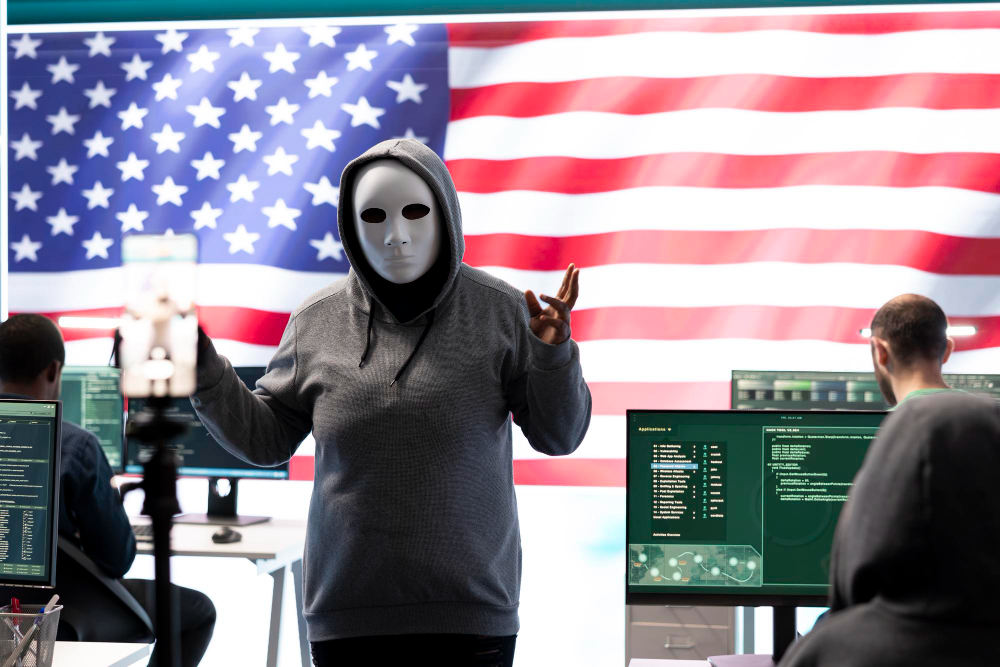
National security and presidential protection have become increasingly debated topics in American politics, especially amid rising geopolitical tensions involving Iran, intelligence operations, cyber warfare, and threats against public officials. Discussions intensified further following reports involving Donald Trump, intelligence disclosures, classified information controversies, and alleged Iran-linked threats targeting current and former American leaders.
As global conflicts become more digitally connected and politically polarized, the role of intelligence agencies like the Central Intelligence Agency and presidential security systems faces growing public scrutiny. Media reports, leaked intelligence assessments, and geopolitical tensions have contributed to public concern surrounding how modern presidents are protected and how national security information is handled.
Questions surrounding classified intelligence, foreign threats, cybersecurity vulnerabilities, and executive decision-making have expanded far beyond traditional politics. The debate now touches issues involving transparency, intelligence credibility, presidential authority, and the balance between public communication and operational secrecy.
This article explores why conversations around Trump, CIA intelligence, Iran tensions, and presidential security continue growing, along with the broader implications for modern governance and global stability.
Why Are Questions Around Presidential Security Growing?
Concerns surrounding presidential security are increasing because of geopolitical tensions, cyber threats, intelligence leaks, political polarization, assassination threats, and disputes involving classified information and national security operations.
Recent debates involving Trump, Iran, and intelligence agencies have amplified public attention on how presidents are protected and how sensitive information is managed.
Key Takeaways
- Presidential security concerns have intensified amid rising geopolitical tensions.
- Iran-related threats and intelligence disputes increased public scrutiny.
- CIA operations and classified information handling remain politically sensitive issues.
- Modern security threats now include cyber warfare and digital intelligence leaks.
- Political polarization has amplified national security debates.
- Media coverage and social platforms accelerate public speculation.
- Intelligence agencies play a critical role in presidential protection.
- Public trust in national security institutions remains politically divided.
Understanding Presidential Security in Modern Politics
Presidential Security Is More Complex Than Ever
Protecting American presidents involves far more than physical bodyguards or public event security.
Modern presidential protection includes:
- Cybersecurity defense
- Intelligence monitoring
- Threat analysis
- Counterterrorism operations
- Digital surveillance
- International coordination
Agencies involved may include the:
- United States Secret Service
- CIA
- Federal Bureau of Investigation
- National Security Agency
- Department of Defense
Global Tensions Increase Security Risks
Modern geopolitical conflicts can quickly escalate security concerns for high-ranking officials.
Tensions involving Iran, Russia, China, and cyber warfare have increased intelligence monitoring and threat assessments globally.
Why Iran Became Central to Security Discussions
Longstanding U.S.-Iran Tensions
Relations between the United States and Iran have remained strained for decades due to:
- Nuclear disputes
- Regional conflicts
- Economic sanctions
- Military operations
- intelligence activities
These tensions intensified following U.S. military actions involving Iranian officials during Trump’s presidency.
Alleged Threats Against U.S. Officials
Reports from U.S. authorities have linked Iran-related plots to threats involving former American officials and political figures, including Donald Trump.
Such allegations increased public focus on presidential and post-presidential security protections.
The CIA’s Role in National Security
Intelligence Collection and Threat Prevention
The CIA plays a major role in gathering foreign intelligence and analyzing international threats.
Key functions include:
- Counterterrorism analysis
- Cyber intelligence
- Covert operations
- Foreign political monitoring
- Threat assessment
Classified Information Sensitivity
National security operations often rely on highly classified information involving:
- Intelligence sources
- Surveillance systems
- International partnerships
- Military capabilities
Leaks or disclosures involving classified information can generate major political controversy.
Trump and Classified Information Controversies
Public Debates Over Intelligence Handling
Donald Trump has faced repeated scrutiny involving intelligence disclosures and classified information management.
Critics argued some disclosures risked exposing sensitive intelligence methods, while supporters claimed political opponents exaggerated the concerns.
Intelligence Community Tensions
Trump’s relationship with intelligence agencies frequently became politically contentious during and after his presidency.
Disagreements often involved:
- Iran intelligence assessments
- Election security
- Military operations
- National security leaks
How Modern Security Threats Have Changed
Cybersecurity Is Now Essential
Modern presidential protection extends into digital infrastructure.
Threats now include:
- Cyberattacks
- AI-driven disinformation
- Foreign hacking operations
- Data breaches
- Social engineering campaigns
Social Media Accelerates Risk
Platforms like X, Facebook, and TikTok amplify political narratives rapidly.
Real-time communication can increase both transparency and security complexity.
Iran, Intelligence Leaks, and Media Scrutiny
Leaked Intelligence Reports
Several media reports involving Iran–related intelligence assessments have generated significant controversy around military effectiveness and policy messaging. Conflicting evaluations from intelligence sources and government officials have raised questions about how successful military operations actually were, with some analysts suggesting that public claims may have overstated the extent of damage or progress.
At the same time, disagreements between classified assessments and public statements have fueled political debate, as differing narratives about outcomes and strategy created uncertainty among both policymakers and the public. In this environment, rapidly spreading interpretations—sometimes tied to themes like president hiding—highlight how gaps between intelligence analysis and public messaging can shape perception and trust.
Leaked documents often trigger broader public debates about:
- Government transparency
- Intelligence reliability
- Political messaging
Press Freedom vs National Security
Governments sometimes argue leaked intelligence harms national security, while journalists emphasize public accountability and press freedom.
This tension remains central in democratic societies.
Presidential Security vs Public Transparency
| Issue | Security Perspective | Transparency Perspective |
|---|---|---|
| Classified Intelligence | Protect sources and operations | Public oversight |
| Threat Assessments | Limit public disclosure | Increase accountability |
| Military Operations | Maintain operational secrecy | Inform citizens |
| Cybersecurity | Restrict vulnerabilities | Public trust building |
Balancing secrecy and transparency remains one of the most difficult challenges in modern governance.
Expert Tip
National security discussions should rely on verified reporting and credible intelligence analysis rather than viral speculation, especially when dealing with complex situations involving countries like Iran. Sensitive geopolitical issues often involve incomplete public information and rapidly changing circumstances, which is why narratives such as president hiding can spread quickly without full context, making careful evaluation of sources more important than ever.
How Political Polarization Intensifies Security Debates
National Security Has Become Politically Polarized
Intelligence and security discussions increasingly divide along political lines.
Supporters and critics often interpret the same events differently depending on ideological perspectives.
Public Trust in Institutions Has Shifted
Confidence in government agencies, intelligence organizations, and media institutions has become increasingly fragmented, as political polarisation, competing narratives, and rapid digital information flows shape public perception—often reinforcing scepticism and fueling themes like the president hiding in debates around transparency and trust.
This fragmentation fuels ongoing debate surrounding:
- Intelligence credibility
- Government transparency
- Executive authority
The Role of the Secret Service
Physical Protection Responsibilities
The Secret Service remains primarily responsible for protecting:
- Presidents
- Former presidents
- Vice presidents
- Major candidates
- Visiting foreign leaders
Threat Monitoring
Protection strategies include:
- Route security
- Crowd monitoring
- Intelligence coordination
- Emergency evacuation planning
Modern protection systems are highly sophisticated and constantly evolving.
Common Misconceptions About Presidential Security
Presidents Are Never Completely “Hidden”
Even with extensive protection, presidents remain highly visible public figures with unavoidable exposure.
Intelligence Agencies Operate Under Oversight
CIA and intelligence operations involve legal frameworks and congressional oversight mechanisms.
Security Threats Extend Beyond Physical Attacks
Digital threats, cyber espionage, and disinformation campaigns now represent major national security concerns, particularly as state and non-state actors leverage advanced technologies to influence public perception and policy debates—often amplifying narratives like president hiding and shaping how citizens interpret government actions and transparency.
How Global Conflict Shapes Domestic Politics
International Crises Influence Elections
Foreign policy conflicts often affect domestic political narratives and public approval ratings.
Media Coverage Amplifies Tensions
Continuous news cycles and social media discussions intensify public attention surrounding geopolitical events.
Best Practices for National Security Communication
Clear Messaging Matters
Conflicting public statements can create confusion during geopolitical crises.
Protect Sensitive Intelligence
Operational secrecy remains critical for protecting intelligence personnel and allies.
Maintain Public Trust
Transparency, when appropriate, strengthens institutional credibility.
The Future of Presidential Security
AI and Cybersecurity Will Become More Important
Future presidential protection will increasingly involve:
- Artificial intelligence monitoring
- Cyber defense systems
- Biometric security
- Digital intelligence analysis
Geopolitical Competition Is Intensifying
Conflicts involving cybersecurity, energy, and intelligence operations will likely continue shaping presidential security strategies.
Conclusion
Questions surrounding Trump, CIA intelligence, Iran tensions, and presidential security reflect broader concerns about how governments manage national security in an increasingly unstable and digitally connected world. Modern presidential protection now extends far beyond physical security into cybersecurity, intelligence operations, media strategy, and geopolitical conflict management.
As tensions involving Iran and other global powers continue evolving, public attention toward intelligence agencies, classified information, and executive decision-making is likely to remain intense. At the same time, political polarization and rapid online information sharing continue complicating how national security issues are interpreted and debated publicly—often fueling narratives around the president hiding and raising questions about transparency and leadership accountability.
Ultimately, the growing focus on presidential security highlights how global politics, technology, intelligence operations, and media ecosystems have become deeply interconnected in the modern era.
FAQ Section
Why are people discussing presidential security more frequently?
Rising geopolitical tensions, cyber threats, intelligence leaks, and political polarization have increased public attention on presidential protection and national security.
What role does the CIA play in presidential security?
The CIA primarily focuses on foreign intelligence gathering and threat analysis that can help inform national security and protective operations.
Why is Iran connected to U.S. security discussions?
U.S.-Iran tensions involve military conflict, sanctions, intelligence operations, and alleged threats against American officials.
Did intelligence leaks create controversy involving Trump and Iran?
Yes, leaked intelligence reports and differing public claims regarding Iran-related operations generated major political and media debates.
How has cybersecurity changed presidential protection?
Modern presidential security now includes cyber defense, digital surveillance protection, and monitoring of online threats and disinformation campaigns.
Why do classified information disputes matter?
Improper handling or disclosure of classified intelligence may affect national security operations, intelligence sources, and diplomatic relationships.
Are modern presidents exposed to more threats than before?
Experts generally believe digital communication, geopolitical instability, and cyber warfare have expanded the range of modern presidential security threats.
Find a Home-Based Business to Start-Up >>> Hundreds of Business Listings.