










































Most buyers expect a property inspection to be a quick box to tick before moving forward. In reality, the timeline can vary quite a bit depending on the property, the inspector, and even the conditions on the day. Understanding how long inspections typically take and what can slow them down helps buyers plan better, avoid unnecessary delays, and make more confident decisions.
Below is a practical breakdown of what actually happens during a property inspection timeframe and why some take longer than others.
Typical Timeframes for Property Inspections
For a standard residential property, a building and pest inspection usuoally takes between 1.5 to 3 hours on site. Smaller apartments can sometimes be completed in under 90 minutes, while larger homes with multiple levels, outdoor structures, or complex layouts may push beyond three hours.
That said, the on site inspection is only part of the process. Inspectors also need time to review their findings, organise photos, and prepare a detailed report. In most cases, buyers receive the final report within 24 to 48 hours after the inspection.
According to industry insights from the Australian Institute of Building Surveyors, thorough inspections should never be rushed, as missed details can lead to costly issues later. This is why experienced inspectors prioritise accuracy over speed, even if it means a longer turnaround.
What Actually Happens During the Inspection
To understand the timing, it helps to know what inspectors are doing while on site. A proper inspection is methodical and covers several key areas.
Inspectors typically assess the structure, including walls, ceilings, floors, and roofing. They check for signs of movement, moisture damage, and structural defects. Outside, they review drainage, external walls, fencing, and any visible issues that could affect the property over time.
Pest inspections are equally detailed. Inspectors look for evidence of termite activity, damage to timber, and environmental conditions that increase the risk of infestation.
In many cases, inspectors also test fixtures such as doors, windows, and sometimes basic plumbing and electrical systems where visible. Each of these steps adds time, especially when issues are found and require closer investigation.
Property Size and Complexity
One of the biggest factors influencing inspection time is the size and complexity of the property.
A compact apartment with straightforward access is far quicker to assess than a large freestanding house with multiple levels, extensions, or outdoor structures like sheds and pools. Older homes often take longer as well, simply because there are more variables to consider and a higher likelihood of hidden issues.
For example, a recently built townhouse might present fewer complications, while a 30 year old coastal property with renovations may require more thorough checking. Inspectors need to verify whether additions comply with standards and whether materials have aged as expected.
Access and Site Conditions
Even the most experienced inspector can be slowed down by poor access. Roof cavities, subfloors, and tight crawl spaces can significantly extend inspection time, especially if visibility is limited or safety is a concern.
Weather also plays a role. Heavy rain can make external areas harder to assess, while poor lighting can impact visibility inside roof spaces. In some cases, inspectors may need to return or adjust their approach, which affects the overall timeline.
Properties that are cluttered or not well maintained can also slow things down. When key areas are blocked or difficult to reach, inspectors need extra time to work around obstacles or note limitations in the report.
The Role of Detailed Reporting
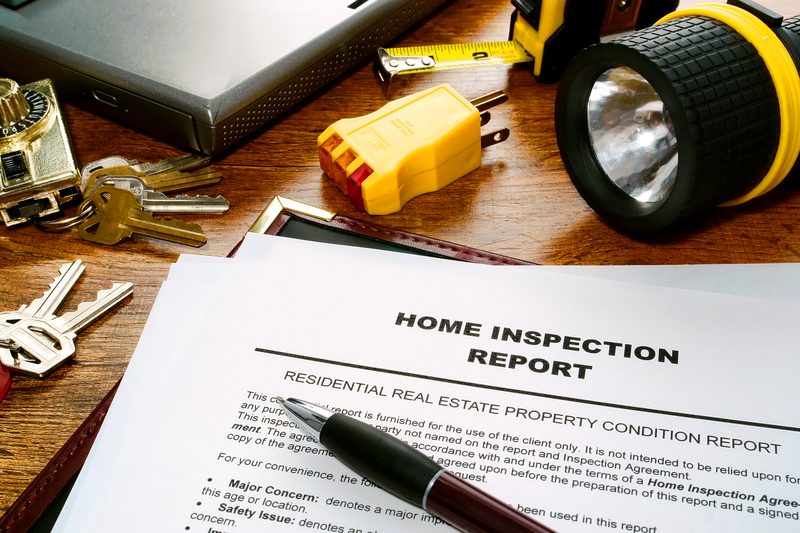
Many buyers underestimate how much time goes into the report itself. A quality inspection report is not just a checklist. It includes written observations, photographic evidence, risk assessments, and clear recommendations.
This is where the real value lies. A well prepared report allows buyers to understand not just what issues exist, but how serious they are and what actions may be required.
A rushed report increases the risk of vague or incomplete findings. That is why reputable inspectors often take several hours after the inspection to finalise documentation, even if the on site portion was relatively quick.
Why Local Knowledge Matters
Timelines can also be influenced by the inspector’s familiarity with the local area. Coastal regions, for example, come with their own set of challenges.
In a Gold Coast building and pest inspection, inspectors often pay closer attention to moisture exposure, corrosion, and termite risk due to the warm, humid climate. These environmental factors can increase inspection time slightly, as more detailed checks are required.
Local experience also helps inspectors identify common issues faster, which can balance out the additional time spent on high risk areas.
When Inspections Take Longer Than Expected
There are situations where inspections extend beyond the usual property inspection timeframe. These include:
- Properties with visible structural concerns that require deeper investigation
- Evidence of active pest infestations
- Renovations or extensions that need closer review
- Limited access to key areas such as roof voids or subfloors
- Large properties with multiple buildings or outdoor features
In these cases, a longer inspection is generally a good sign. It means the inspector is taking the time to fully understand the property rather than rushing through it.
As one experienced building inspector noted in a recent industry interview, “If an inspection feels too quick, it probably is. You want someone who takes the time to look properly, not just tick boxes.”
How Buyers Can Help Speed Up the Process
While much of the timeline is outside the buyer’s control, there are a few ways to help ensure the inspection runs smoothly.
Make sure access is arranged in advance, especially if the property is tenanted. Confirm that areas like garages, roof spaces, and subfloors are accessible. If possible, attend the inspection or be available for follow up questions, as this can reduce back and forth later.
Choosing an experienced inspector also makes a difference. Professionals who follow a structured process tend to work more efficiently without compromising on detail.
Balancing Speed and Thoroughness
It is natural to want fast results, especially in competitive markets where decisions need to be made quickly. However, speed should never come at the expense of accuracy.
A thorough inspection protects buyers from unexpected costs and provides leverage during negotiations. Waiting an extra day for a comprehensive report is often a small price to pay compared to the risk of overlooking major issues.
Ultimately, the goal is not just to complete the inspection quickly, but to complete it properly. The time invested upfront can save significant time, money, and stress down the track.
Final Thoughts
Property inspections are not one size fits all. While most fall within a predictable property inspection timeframe, several factors can influence how long they take, from size and condition to access and reporting requirements.
Understanding these variables helps buyers set realistic expectations and recognise the value of a detailed inspection. Whether you are purchasing a small apartment or a larger home, allowing enough time for a proper assessment is one of the smartest decisions you can make.
And if the process takes a little longer than expected, it is often because the inspector is doing exactly what you want them to do: looking closely, documenting thoroughly, and helping you make an informed choice.
Find a Home-Based Business to Start-Up >>> Hundreds of Business Listings.


