











































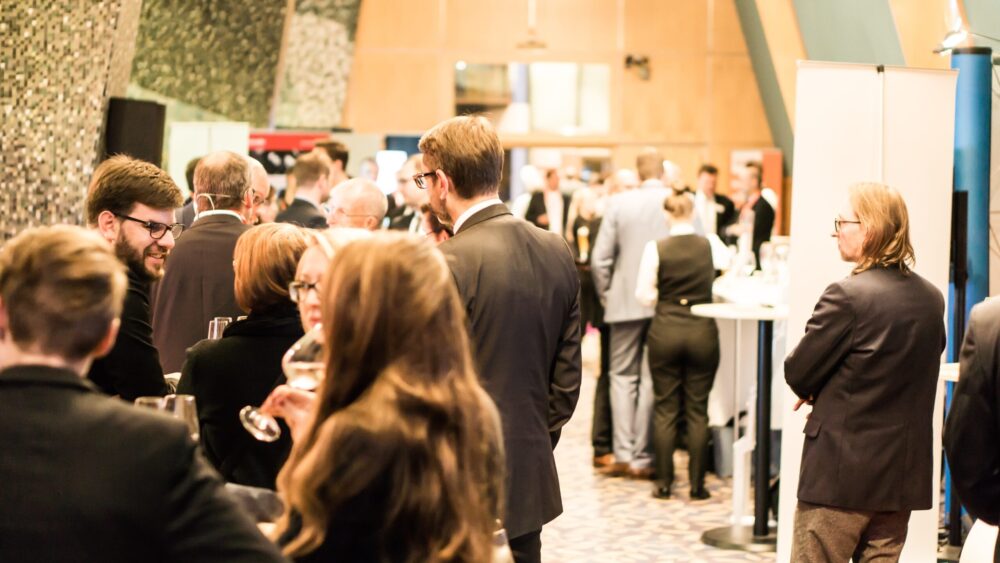
A company can spend months planning a leadership summit, fly in its top executives, and still lose the room by the first coffee break. Not because the content was weak, but because the experience felt flat.
That shift in what audiences notice, and what they remember, is reshaping how organizations invest in corporate engagement. Attendees today arrive with expectations shaped by broadcast-quality content, live-streamed product launches, and experiential event statistics showing that immersive formats consistently outperform passive ones on recall and participation. A slideshow in a beige conference room reads as a signal about a company’s seriousness, regardless of what the slides say.
Production value has quietly become a measure of brand competence—production value transforms engagement when the lighting is calibrated, the sound is clean, and the physical environment reflects intentional design. It communicates that a company respects its audience’s time. That perception carries into how leadership is received, how announcements land, and how the overall brand experience is interpreted by everyone in the room. From internal town halls to client-facing experiential events, the gap between well-produced and poorly-produced is no longer invisible to the people who attend. It has become one of the first things they notice.
Why Production Value Now Shapes Engagement
Production value has moved from a nice-to-have into a genuine measure of organizational credibility. Audiences no longer arrive at corporate events expecting to sit passively through information delivery. They arrive expecting an experience, and they assess the quality of that experience almost immediately.
That shift is visible across every format. Internal meetings, product launches, leadership summits, and client-facing experiential events are all now judged, at least in part, by how well they are produced. According to experiential event statistics, immersive and well-executed formats consistently outperform passive ones on both participation and recall. That gap is not incidental. It reflects a broader change in how audiences assign credibility to the organizations presenting to them.
What Audiences Notice Before They Hear a Word
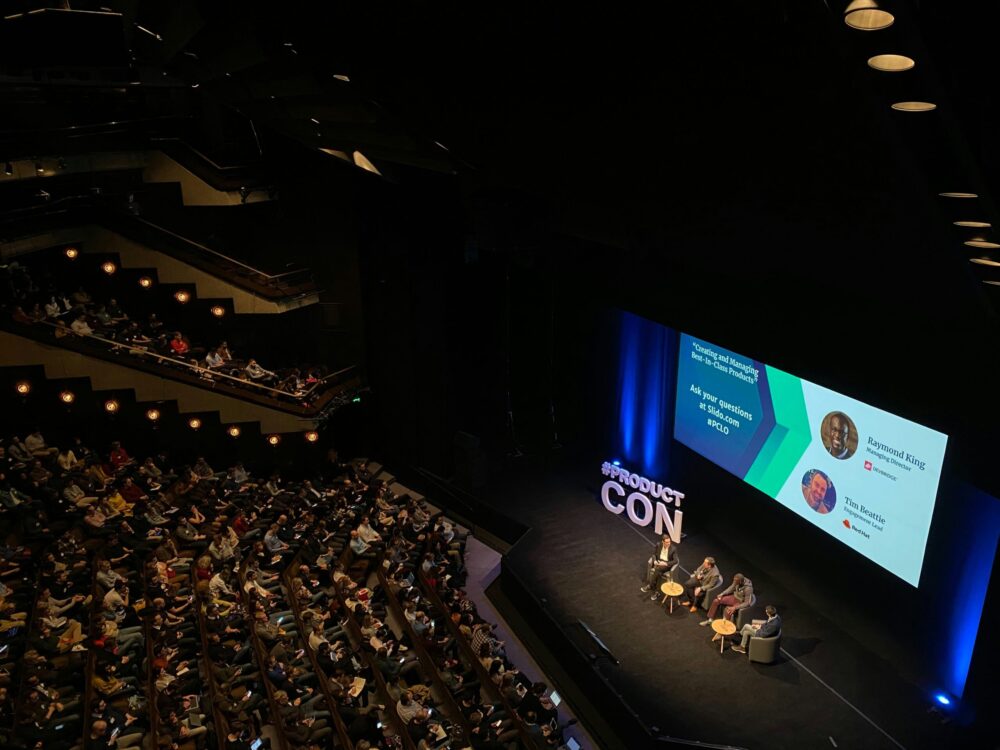
First impressions at corporate events are formed well before the first speaker takes the floor. The physical environment, the sound quality, and the visual setup all communicate something about the organization before a single word is spoken—because production value transforms engagement. Understanding what audiences pick up on in those early moments helps explain why production value carries such strategic weight.
The Room Sets Expectations Instantly
Staging, lighting, and sound design are not decorative decisions. They are the first pieces of information an audience receives, and they arrive before a single presenter takes the floor.
When someone walks into a well-lit room with clear sightlines, calibrated acoustics, and a stage that communicates intentional design, the implicit message is that the event was planned with care. The reverse is equally powerful. A poorly lit stage, feedback from an unsupported audio system, or a cluttered layout signals disorganization before the agenda has even begun.
Research into event psychology consistently finds that attendees form impressions of an event’s quality within the first few minutes of arrival. Those impressions are difficult to reverse once set, and production value transforms engagement. Staging and production value, in this sense, function less like aesthetics and more like credibility signals.
Poor Execution Weakens the Message Itself
The problem with low production quality is not simply that it looks unprofessional. It actively competes with the content being delivered.
When sound is inconsistent, audiences strain to follow. When lighting flattens a speaker’s presence, the message loses emotional weight. These are not cosmetic issues. They directly affect comprehension and retention, which is why crafting a standout business presentation involves far more than slide design.
Even strong material can feel forgettable when the surrounding brand experience fails to reinforce it. Audiences rarely separate what they heard from the conditions in which they heard it, and that connection shapes how they judge both the message and the organization behind it.
Where Logistics End and Production Begins
There is a persistent assumption in corporate event planning that logistics and production are the same discipline. They are not, and conflating them is one of the most common reasons well-organized events still fail to engage their audiences.
Planning the Schedule Is Not Designing the Experience
Many corporate teams approach event planning as a logistics exercise: venue confirmed, catering ordered, agenda distributed. These elements matter, but they describe the container, not the experience inside it.
A run-of-show document that lists speaker times and break windows tells the room what will happen. It does not address how transitions feel, whether the staging supports each segment’s tone, or how content sequencing builds energy rather than draining it. Those decisions belong to production, and they require a different kind of planning entirely.
This is where corporate teams most often underbudget. AV production and staging are frequently treated as line items to be trimmed once venue costs are fixed, rather than as foundational investments that shape everything the audience perceives. A corporate events planner in London working across both logistics and production layers understands that these two tracks must be designed together from the outset, not reconciled at the end.
Why Technical Alignment Prevents Dead Air
When the technical layer is introduced late, the consequences show up in the moments between moments. Dead air during transitions, mismatched audio levels between speakers, and lighting that has not adjusted for a panel format after a keynote all erode audience attention faster than weak content does.
AV production coordination, stage management, and content sequencing need to work in parallel during planning. When they do, pacing becomes intentional and the event holds attention across its full duration. When they do not, even a well-written agenda delivers a fragmented experience that audiences register as disorganization, and that impression settles onto the brand itself.
The Technical Layer People Remember Later
Audio Clarity Decides Whether Ideas Land
Sound failures are among the fastest trust-breakers in live corporate settings, and they tend to land harder than visual flaws of comparable severity. A blurred graphic rarely pulls an audience out of a presentation. A word swallowed by a dead mic, or a speaker fighting feedback, forces the room to stop listening and start tolerating.
Sound design at this level is not about volume. It is about presence, clarity, and consistency across a room’s full depth. When audio is properly engineered, the audience’s attention stays on the speaker. When it is not, cognitive load shifts from receiving the message to decoding it, and that shift costs comprehension.
The relationship between sound quality and message retention is straightforward: what cannot be heard clearly cannot be remembered accurately. For corporate engagement goals that hinge on alignment or persuasion, that cost is not aesthetic. It is strategic.
Lighting and Visuals Control Attention
Lighting does several things simultaneously in a corporate production context. It establishes hierarchy by drawing focus to whoever or whatever should hold the room’s attention. It sets emotional tone, distinguishing the weight of an executive announcement from the energy of an interactive session. It also signals professionalism before a word is spoken.
Staging and visual transitions carry similar responsibility. Screens that reinforce a speaker’s point at precisely the right moment sharpen retention. Slides that appear early, or visual cuts that lag the spoken word, fracture attention in ways that compound over a long program.
In AV production, these elements work together as a directing system. When calibrated, they guide the audience through content with clarity. When misaligned, they dilute even well-constructed material, leaving corporate engagement goals measurably harder to achieve.
When Higher Production Is Worth the Spend
Not every corporate event requires the same level of investment, and the strongest production decisions come from knowing when quality execution carries real stakes.
High-stakes formats make the clearest case. Leadership summits, product launches, investor briefings, and flagship client experiences all share a common characteristic: the audience is evaluating the organization, not just the content. In those settings, weak execution does not simply underperform. It signals something about the company’s standards, and that signal travels well beyond the event itself.
The more useful question is rarely whether production costs more. It is whether poor execution costs attention, trust, or credibility that the company cannot afford to lose. Those costs rarely appear on a budget sheet, but they shape outcomes in ways that outlast the event itself. Organizations focused on building authority in your industry recognize that how an event feels contributes directly to how leadership is perceived.
Production value should ultimately scale with three factors: the expectations of the audience in the room, the physical scale of the venue, and the strategic importance of the moment. Matching production to context, rather than defaulting to either extreme, is where the clearest judgment lies in corporate engagement and experiential events alike.
Production Value Is Now Part of the Message
In modern corporate settings, execution and communication have become inseparable. How an event is produced now carries as much weight as what is said inside it, because audiences interpret the quality of the experience as a direct reflection of the organization behind it.
Production value shapes attention, builds trust, influences retention, and colors how the brand experience lingers after the room empties. These are not secondary outcomes. They are the conditions under which the actual message either lands or gets lost.
The decision organizations face is not style versus substance. It is whether the experience surrounding the content actively supports it, because when it does not, even strong ideas struggle to hold the room.
Find a Home-Based Business to Start-Up >>> Hundreds of Business Listings.


