









































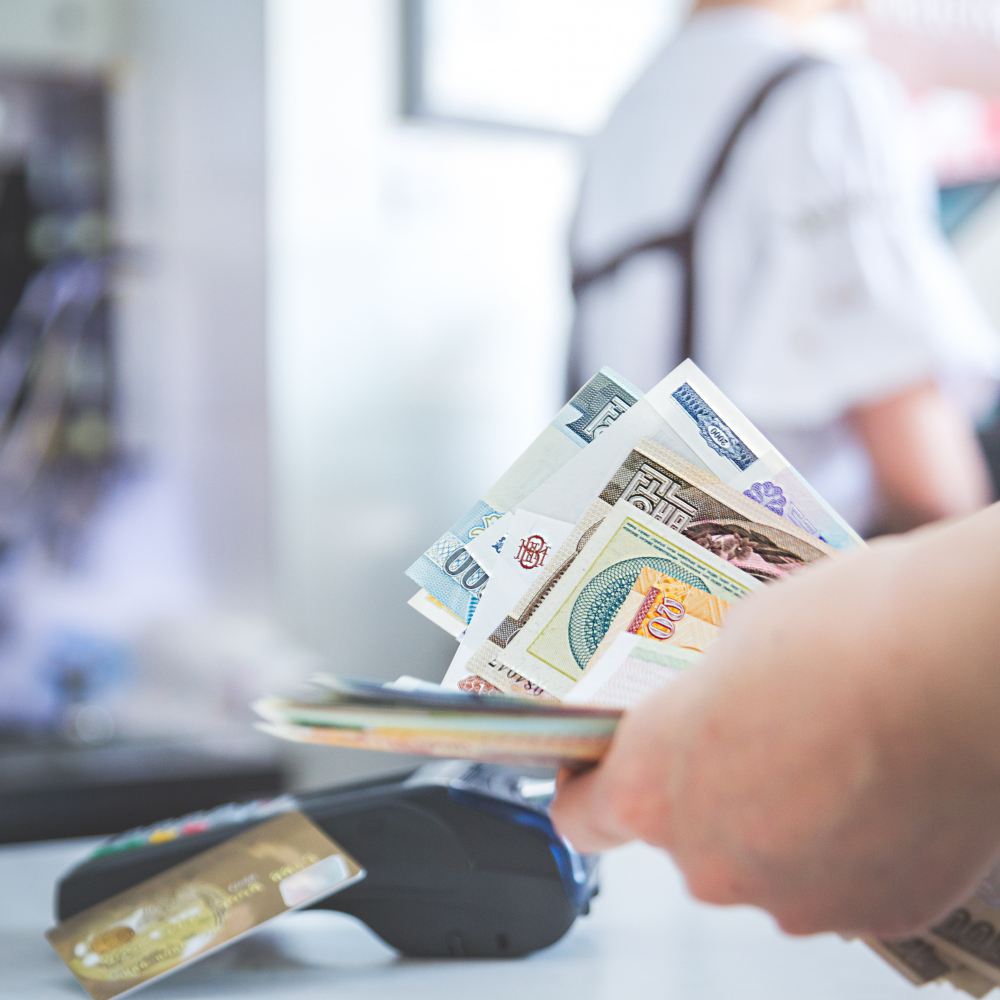
The growing Republic of Iran currency crisis has become one of the clearest examples of how inflation, sanctions, weak confidence, and external pressure can damage a national economy over time. Recent headlines about Iran introducing its largest-ever banknote, a 10 million rial note, have drawn global attention because such moves often reflect a currency losing purchasing power rapidly. Reports indicate the new note has only modest real-world value in foreign currency terms, underscoring how far the Iranian rial has weakened.
When a country must print larger denominations just to simplify daily transactions, it usually signals deeper structural problems: persistent inflation, shrinking household incomes, pressure on foreign exchange reserves, and declining trust in money itself.
This article explains why Iran issued a record-high banknote, what it says about the economy, how ordinary citizens are affected, and what may happen next for the rial, inflation, and economic stability.
Quick Answer
Iran’s largest-ever banknote signals that prices have risen so much and the rial has weakened so sharply that larger denominations are needed for ordinary transactions. It is less about prestige and more about inflation, falling purchasing power, and pressure on the monetary system.
Key Takeaways
- Iran introduced a 10 million rial note, the largest denomination reported so far.
- High-value notes often appear when inflation erodes currency usefulness.
- Sanctions, weak investment, and foreign currency shortages pressure the rial.
- Households face rising prices for food, medicine, and imported goods.
- Cash logistics become harder when small notes lose value.
- Long-term stability depends on reform, confidence, and external relief.
What Happened to the Iranian Rial?
The Iranian rial has depreciated significantly over time. Recent reports cited open-market levels around 1.8 million rials per U.S. dollar, showing severe weakness in the currency.
That means the rial buys far less than in previous decades. When this happens, salaries lose value, savings erode, and imported products become more expensive.
Why a Largest-Ever Banknote Matters
Printing a high-denomination note does not automatically cause crisis, but it can reveal one.
1. Smaller Notes Become Impractical
If everyday shopping requires stacks of low-value notes, governments often issue larger bills to reduce inconvenience.
2. Inflation Has Reduced Purchasing Power
A note with a huge face value may still buy only a limited basket of goods.
3. Confidence Weakens
People may prefer foreign currencies, gold, property, or goods instead of holding cash.
4. Administrative Pressure Rises
Banks, ATMs, cash transport, and businesses all struggle when note values lag behind prices.
Reported Value of the New Note
Reports said the new 10 million rial banknote was worth roughly $7 around the time of launch, illustrating how large numbers can mask weak real value.
That means a “million-scale” banknote may still have limited buying power internationally.
Why the Republic of Iran Currency Crisis Happened
1. Persistent Inflation
When money supply grows faster than productive output, prices often rise. Iran has experienced elevated inflation for years.
2. International Sanctions
Restrictions affecting oil exports, banking access, and trade can reduce foreign currency inflows and investment.
3. Weak Confidence in the Rial
If businesses and households expect further depreciation, they may rush into harder assets.
4. Structural Economic Issues
State dominance, inefficiencies, low productivity, and uncertain business conditions can weaken growth.
5. Geopolitical Risk
Conflict fears or regional instability can accelerate capital flight and currency stress.
How Inflation Hurts Ordinary Citizens
The most painful effects are usually felt by households, not institutions.
Food Prices Rise
Basic groceries can become harder to afford.
Medicine Costs Increase
Imported pharmaceuticals and medical supplies often become more expensive.
Rent and Transport Pressure
Landlords and transport providers adjust prices upward over time.
Savings Lose Value
Cash held in local currency buys less each month during inflation.
Comparison Table: Strong Currency vs Crisis Currency Conditions
| Factor | Stable Currency | Crisis Currency |
|---|---|---|
| Inflation | Low to moderate | High |
| Public Confidence | Strong | Weak |
| Savings Value | Preserved better | Erodes quickly |
| Note Denominations | Practical | Constantly rising |
| Import Costs | More stable | Highly volatile |
Why People Use “Tomans” Instead of Rials
In daily life, many Iranians commonly discuss prices in tomans, an informal unit equal to 10 rials. This reflects how large rial figures became cumbersome over time.
When people stop naturally using the official unit, it can indicate monetary friction and declining practicality.
Why Imported Goods Become Expensive
Many essentials are tied to global markets and priced indirectly through stronger currencies such as the United States dollar or Euro.
As the rial weakens:
- Electronics cost more
- Medical imports rise in price
- Industrial raw materials become expensive
- Food imports face inflation pressure
This can ripple through the entire economy.
What Central Banks Usually Try in Such Situations
Authorities facing currency weakness may attempt:
- Interest rate adjustments
- FX market interventions
- Capital controls
- Subsidies on essentials
- Banking liquidity support
- Exchange-rate management reforms
However, without deeper structural credibility, these tools may only provide temporary relief.
Why Bigger Banknotes Are Often Symbolic
Large notes can help transaction efficiency, but they also send a message to markets: the old denominations no longer fit economic reality.
Examples from other countries historically show that rapid denomination growth often appears during inflationary periods.
Impact on Businesses
Businesses operating in a weakening currency environment face serious challenges.
Planning Becomes Harder
Future pricing and costs become uncertain.
Inventory Hoarding Risk
Some firms buy goods early to hedge inflation.
Wage Pressure
Workers demand higher pay as living costs rise.
Financing Stress
Loans may become more expensive or harder to access.
Impact on Investors
Domestic investors may seek refuge in:
- Gold
- Real estate
- Foreign currency exposure
- Export-oriented assets
- Tangible goods
International investors often require higher risk premiums in unstable currency environments.
Expert Insight
A collapsing currency is rarely just a money story. It is usually a trust story. When people lose faith that tomorrow’s money will hold value, they change behavior quickly—and that behavior can worsen the crisis.
Could Iran Remove Zeros from the Currency?
Some countries facing large-denomination inflation later redenominate money by removing zeros. The currency of the Republic of Iran has also been part of that trend, as Iran has discussed and advanced monetary reform plans in recent years.
This can simplify accounting and psychology, but it does not solve inflation unless fiscal and monetary discipline improve.
Common Mistakes People Make Understanding Currency Crises
Thinking Bigger Notes Mean More Wealth
A higher denomination note often reflects lost value, not gained prosperity.
Assuming Exchange Rate Is the Only Problem
Inflation, production weakness, and trust are equally important.
Believing Printing Notes Solves Crisis
New notes ease transactions but do not restore purchasing power.
Ignoring Household Impact
Currency crises hurt everyday life far more than headlines suggest.
Best Practices for Economic Recovery
For countries facing currency stress, durable recovery often requires:
- Lower inflation credibility
- Stable fiscal policy
- Stronger exports
- Improved investment climate
- Banking sector confidence
- Reduced external restrictions where possible
Could the Rial Stabilize Again?
Yes, but stabilization typically needs a combination of:
- Lower inflation
- Better access to foreign currency earnings
- Stronger policy credibility
- Reduced geopolitical pressure
- Confidence from businesses and households
Without these, temporary rallies may fade.
Final Verdict
The Republic of Iran currency crisis is vividly reflected in the launch of the rial’s largest-ever banknote. When a country must print a 10 million rial note worth only modest foreign currency value, it signals how deeply inflation and depreciation have eroded purchasing power.
FAQ Section
1. Why did Iran issue a 10 million rial banknote?
Iran reportedly introduced the note to make cash transactions easier as inflation and currency weakness reduced the usefulness of smaller denominations. It reflects practicality during high-price conditions.
2. Does a larger banknote mean a richer economy?
No. Large denomination notes often indicate reduced purchasing power, not greater wealth. They may be introduced because prices have risen sharply.
3. Why is the Iranian rial weak?
Key pressures include inflation, sanctions, foreign currency shortages, low confidence, and long-term structural economic challenges.
4. How does this affect ordinary people in Iran?
Citizens may face higher prices for food, medicine, transport, and rent, while cash savings lose value over time.
5. Can Iran fix the currency crisis by removing zeros?
Redenomination can simplify accounting, but it does not solve inflation unless deeper monetary and fiscal reforms are made.
6. Could the rial recover in future?
Yes, but recovery would likely require lower inflation, stronger exports, policy credibility, and improved economic confidence.
Find a Home-Based Business to Start-Up >>> Hundreds of Business Listings.