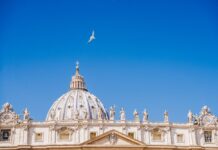










































A common question people ask is: Does the Pope get paid? It sounds simple, but the answer is more nuanced than many assume. The Pope leads one of the most influential religious institutions in the world, oversees Vatican governance, and represents more than a billion Catholics globally. Because the position carries immense spiritual authority and international visibility, many people wonder whether the Pope receives a salary like a president, CEO, or monarch.
When discussing Pope Leo XIV, it is important to note that the papacy traditionally functions differently from corporate or political leadership roles. Rather than a conventional paycheck, Popes historically receive housing, security, transportation, staff support, and full living expenses through the Vatican.
This guide explains whether the Pope gets paid, how Vatican finances work, what benefits are associated with the office, and how Pope Leo XIV’s global influence compares with secular world leaders.
Does the Pope Get Paid?
Traditionally, the Pope does not receive a standard commercial salary in the same way presidents or CEOs do. Instead, the Vatican covers all essential living costs, including residence, meals, travel for official duties, healthcare, security, and administrative support.
So while the Pope may not earn a paycheck in the typical sense, the office is fully supported institutionally.
Key Takeaways
- The Pope usually does not receive a traditional salary.
- The Vatican covers housing, transport, security, and living needs.
- Papal authority is spiritual and administrative, not commercial.
- The Pope influences diplomacy, ethics, and humanitarian causes worldwide.
- Pope Leo XIV’s role would combine religious leadership with global soft power.
- Vatican finances differ significantly from state or corporate payroll systems.
What Is the Pope’s Role?
The Pope is the head of the Catholic Church and sovereign of Vatican City. This means the office combines spiritual leadership with state-level responsibilities.
The Pope’s duties often include:
- Leading the Catholic Church
- Appointing bishops and cardinals
- Setting doctrinal direction
- Overseeing Vatican institutions
- Hosting heads of state
- Addressing humanitarian crises
- Guiding moral and ethical debates
Unlike many leadership positions, the papacy is considered a vocation of service rather than a profit-generating office.
Does Pope Leo XIV Get a Salary?
If referring to a hypothetical or newly designated Pope Leo XIV, the structure would remain similar to previous Popes. The papacy traditionally does not operate with a corporate salary package.
Instead of wages, the Pope receives institutional support such as:
- Official residence
- Meals and household operations
- Medical care
- Security teams
- Vehicles and travel logistics
- Ceremonial staff
- Administrative resources
This means the Pope’s material needs are met without the need for personal income in the standard sense.
Why the Pope Usually Does Not Take a Normal Salary
1. Religious Nature of the Office
The papacy is rooted in spiritual service, humility, and stewardship. A large salary could conflict with symbolic expectations of modest leadership.
2. Vatican Support System
Because the Vatican directly manages papal living arrangements, a salary is less necessary than in ordinary employment systems.
3. Historical Tradition
For centuries, Popes have relied on institutional support rather than personal compensation packages.
Where Does Vatican Money Come From?
People often ask how the Vatican can fund operations if the Pope does not receive a salary. Vatican finances come from multiple sources, including:
- Donations from Catholics worldwide
- Museum admissions
- Investments
- Real estate income
- Publishing and media activities
- Gifts and special collections
Vatican Museums are also a notable revenue source because of global tourism interest.
What Benefits Does the Pope Receive?
Even without a paycheck, the Pope’s office includes substantial institutional benefits.
Housing
The Pope resides in Vatican accommodations. Some Popes choose simpler residences than the grander official apartments.
Security
Because the Pope is a global figure, security is extensive and continuous.
Healthcare
Medical care is supported through Vatican systems and resources.
Transportation
Official vehicles, aviation arrangements, and diplomatic travel logistics are provided.
Staff Support
Advisors, clergy, communications teams, assistants, and ceremonial staff support papal duties.
Comparison Table: Pope vs CEO vs President
| Role | Standard Salary | Housing Provided | Security | Global Influence | Personal Wealth Requirement |
|---|---|---|---|---|---|
| Pope | Usually no standard salary | Yes | Yes | Very High | No |
| CEO | Yes | Sometimes | Sometimes | Business-focused | Often high |
| President/PM | Yes | Usually | Yes | High political influence | No |
This comparison shows the Pope’s compensation model is based more on institutional support than direct earnings.
Pope Leo XIV and Global Influence
Whether discussing a current or hypothetical Pope Leo XIV, papal influence extends beyond religion. The Pope can shape international conversations on:
- Peace and war
- Poverty
- Climate ethics
- Migration
- Human dignity
- Interfaith dialogue
- Social justice
Unlike elected political leaders, the Pope’s influence often comes through moral authority rather than military or legislative power.
Is the Pope Rich Personally?
Not necessarily. The Pope controls Vatican institutions in an official capacity, but that does not automatically mean personal ownership of Vatican wealth.
This is a major misunderstanding. Church assets belong to institutions, not typically to the Pope as personal property.
Common Misconceptions
“The Pope gets millions in salary.”
Usually false. The papacy is not commonly structured as a high-salary executive job.
“The Pope owns the Vatican.”
No. The Pope governs Vatican institutions but does not personally own all assets in a private commercial sense.
“No salary means no resources.”
Also false. The office is fully supported through institutional systems.
Why This Topic Interests So Many People
People compare the Pope with kings, presidents, billionaires, and celebrities. Since the Pope is one of the world’s most recognized leaders, curiosity about wealth and compensation is natural.
Modern audiences also want transparency about institutions, finances, and leadership accountability.
Expert Insight
The better question is often not “Does the Pope get paid?” but how the papacy is supported. In practical terms, the Pope may not receive a standard paycheck, yet the office has access to everything necessary to perform global responsibilities.
Real-World Influence of the Papacy
A Pope can impact global events through speeches, diplomacy, and symbolic leadership. Papal visits often attract world leaders, media coverage, and large public gatherings.
This gives the office soft power that many corporate executives cannot match.
Best Practices for Understanding Vatican Compensation
When evaluating papal finances, separate three categories:
- Personal salary
- Institutional resources
- Symbolic/global influence
Confusing these categories often causes misinformation.
Final Verdict: Does the Pope Get Paid?
The most accurate answer is: not in the traditional salary sense. The Pope typically receives full institutional support rather than a normal paycheck. Housing, food, travel, healthcare, security, and operational resources are covered through Vatican systems.
For Pope Leo XIV, the same model would likely apply. The office’s real power lies less in salary and more in spiritual authority, diplomatic relevance, and worldwide influence.
FAQ Section
1. Does the Pope receive a monthly salary?
Traditionally, the Pope does not receive a conventional monthly paycheck like most employees. Instead, the Vatican generally covers living costs, travel, housing, and operational needs linked to the office.
2. Is the Pope wealthy personally?
Not automatically. Vatican assets are institutional resources, not usually personal property of the Pope. Personal wealth depends on the individual before becoming Pope.
3. Who pays for the Pope’s travel?
Official papal travel is typically arranged and supported through Vatican resources, host-country coordination, and diplomatic logistics depending on the trip.
4. Does Pope Leo XIV get paid differently?
If there were a Pope Leo XIV, the papal compensation structure would likely follow the traditional model of institutional support rather than a corporate-style salary.
5. Why doesn’t the Pope take a normal salary?
The papacy is considered a role of service and spiritual leadership. Historically, institutional support has replaced the need for personal wages.
6. Does the Pope control Vatican money personally?
The Pope has governance authority, but Vatican finances are managed through institutions, departments, and administrative systems rather than personal bank-style ownership
Find a Home-Based Business to Start-Up >>> Hundreds of Business Listings.