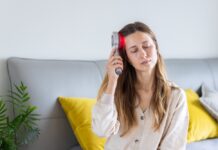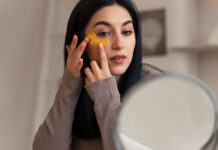









































Red light therapy panels have become one of the fastest-growing wellness technologies, moving from medical clinics into homes, gyms, and skincare routines. As more people look for non-invasive solutions for skin health, muscle recovery, and overall wellness, these devices are gaining widespread attention.
Unlike traditional treatments, red light therapy uses specific wavelengths of light to stimulate cellular activity. This process supports healing, reduces inflammation, and enhances physical recovery without the need for medication or invasive procedures.
However, not all red light therapy panels are created equal. With a wide range of devices available—from small portable units to large full-body systems—choosing the right one can be challenging. Factors like wavelength, power output, coverage area, and build quality all play a crucial role in effectiveness.
This comprehensive guide explains how red light therapy panels work, their benefits, effectiveness, and how to choose the best device based on your needs.
What Are Red Light Therapy Panels?
Red light therapy panels are devices that emit specific wavelengths of red and near-infrared light to stimulate cellular energy, improve skin health, reduce inflammation, and support muscle recovery.
Key Takeaways
- Red light therapy uses 660nm and 850nm wavelengths for optimal results
- Panels provide broader coverage than handheld devices
- Benefits include skin improvement, pain relief, and faster recovery
- Higher power output leads to more effective treatments
- Consistency is essential for visible results
What Is Red Light Therapy?
Scientific Explanation
Red light therapy works by delivering low-level wavelengths of light into the skin and deeper tissues. These wavelengths are absorbed by mitochondria, the energy-producing structures within cells.
This process increases the production of ATP (adenosine triphosphate), which fuels cellular repair and regeneration. As a result, tissues heal faster, inflammation decreases, and overall cellular function improves.
Key Wavelengths That Matter
The effectiveness of red light therapy depends heavily on wavelength selection.
- 630–660nm (red light): Targets skin health, collagen production, and surface-level concerns
- 800–880nm (near-infrared light): Penetrates deeper for muscle recovery, joint pain, and inflammation
Devices that combine both wavelengths are considered the most versatile.
Benefits of Red Light Therapy Panels
Skin Health and Anti-Aging
Red light therapy is widely used in skincare for its ability to stimulate collagen production. This helps reduce wrinkles, fine lines, and improves overall skin texture.
It also supports faster healing of acne scars and reduces redness by calming inflammation.
Muscle Recovery and Pain Relief
Near-infrared light penetrates deeper into muscles and joints, helping reduce soreness and stiffness.
Athletes often use red light therapy panels to accelerate recovery after intense workouts and reduce injury risk.
Improved Circulation
The therapy promotes better blood flow, allowing oxygen and nutrients to reach tissues more efficiently.
This contributes to faster healing and improved overall health.
Reduced Inflammation
Chronic inflammation is linked to many health issues. Red light therapy helps regulate inflammatory responses, making it beneficial for conditions like joint pain and muscle fatigue.
Enhanced Energy and Wellness
By improving cellular energy production, users often report increased vitality and reduced fatigue.
Some also experience better sleep quality due to improved recovery processes.
How Effective Are Red Light Therapy Panels?
Clinical Effectiveness
Research suggests that red light therapy can produce measurable improvements in skin health, muscle recovery, and inflammation reduction.
However, results vary depending on the device quality, treatment duration, and consistency of use.
Timeline for Results
- Skin improvements: 3–6 weeks of regular use
- Pain relief: noticeable within days to weeks
- Muscle recovery: often immediate to short-term improvement
Consistency is the most important factor for success.
Limitations
While effective, red light therapy is not a miracle solution.
It works best as part of a broader wellness routine and may not replace medical treatments for serious conditions.
Types of Red Light Therapy Panels
Small Panels
Designed for targeted use such as face, joints, or specific muscles.
They are affordable and ideal for beginners but offer limited coverage.
Medium Panels
Provide coverage for larger areas like the back or torso.
These are suitable for regular home use and offer a balance between power and size.
Full-Body Panels
Large systems designed to treat the entire body at once.
They are commonly used by athletes or wellness professionals and provide the most comprehensive results.
Comparison Table: Panel Types
| Feature | Small Panel | Medium Panel | Full-Body Panel |
|---|---|---|---|
| Coverage | Targeted | Moderate | Full body |
| Power Output | Low | Medium | High |
| Price | Low | Moderate | High |
| Best For | Beginners | Home users | Professionals |
| Portability | High | Medium | Low |
How to Choose the Right Red Light Therapy Panel
1. Wavelength Selection
Choose devices that include both red and near-infrared wavelengths.
This ensures you get both surface-level and deep tissue benefits.
2. Power Output (Irradiance)
Higher irradiance means more effective treatment.
Look for devices that deliver sufficient power at a practical distance (usually 6–12 inches).
3. Coverage Area
Consider how much of your body you want to treat.
Larger panels are better for full-body therapy, while smaller ones are suitable for targeted use.
4. Build Quality
A well-built device ensures durability and safety.
Metal housing, proper cooling systems, and reliable components are important features.
5. Safety Features
Look for built-in protections such as temperature control and eye safety recommendations.
Reliable devices also comply with safety standards.
6. Budget Considerations
Prices vary significantly depending on size and performance.
It’s better to invest in a quality device that delivers consistent results rather than choosing the cheapest option.
Real-World Use Cases
Athletes and Fitness Enthusiasts
Used for reducing muscle soreness, improving recovery time, and enhancing performance.
Regular sessions can help maintain physical condition and reduce injury risk.
Skincare Users
Individuals use panels to improve skin tone, reduce wrinkles, and manage acne.
It is often integrated into daily or weekly skincare routines.
Office Workers
Helps relieve neck, back, and shoulder pain caused by prolonged sitting.
It also supports relaxation and stress reduction.
Expert Insights
Experts in wellness and dermatology emphasize that red light therapy is most effective when used consistently over time.
They also highlight that panels are more efficient than smaller devices because they cover larger areas and deliver more uniform exposure.
Another key insight is that results depend not just on the device, but also on proper usage, including distance, duration, and frequency.
Common Mistakes to Avoid
Choosing devices without checking wavelength specifications
Using the panel too far or too close to the body
Expecting instant results without consistent use
Ignoring safety guidelines such as eye protection
Buying low-quality devices with insufficient power
Best Practices for Maximum Results
Use the panel 3–5 times per week
Maintain recommended distance during sessions
Start with shorter sessions and gradually increase duration
Combine therapy with a healthy lifestyle for better outcomes
Follow manufacturer instructions carefully
Step-by-Step: How to Use a Red Light Therapy Panel
Step 1: Position the panel at the recommended distance
Step 2: Turn on the device and select the appropriate settings
Step 3: Expose the target area for 10–20 minutes
Step 4: Repeat sessions multiple times per week
Step 5: Track progress and adjust usage as needed
Future Trends in Red Light Therapy
Increased Home Adoption
More consumers are investing in home-based wellness devices, including red light therapy panels.
This trend is expected to continue as technology becomes more accessible.
Integration with Smart Technology
Future devices may include app controls, personalized settings, and usage tracking.
This will improve user experience and effectiveness.
Expansion in Medical and Wellness Fields
Red light therapy is being explored for additional applications, including mental health support and chronic condition management.
Ongoing research may expand its role in healthcare.
Conclusion
Red light therapy panels represent a powerful, non-invasive solution for improving skin health, reducing pain, and enhancing overall wellness. Their ability to stimulate cellular energy and promote healing makes them a valuable addition to modern health routines.
However, choosing the right device is essential. Factors such as wavelength, power output, coverage area, and build quality determine how effective the therapy will be.
For beginners, smaller panels may be sufficient, while advanced users and athletes may benefit from larger, more powerful systems. Regardless of the device, consistency remains the key to achieving results.
As technology continues to evolve, red light therapy is likely to become an even more important part of personal health and wellness strategies.
FAQs
1. Do red light therapy panels really work?
Yes, red light therapy panels are supported by research showing benefits for skin health, pain relief, and recovery. Results depend on device quality and consistent use. Most users see improvements over time.
2. How often should I use a red light therapy panel?
Most experts recommend using it 3–5 times per week. Sessions usually last 10–20 minutes. Consistency is more important than frequency for long-term results.
3. Are red light therapy panels safe?
They are generally safe when used correctly. Following manufacturer guidelines is important. Eye protection is often recommended during sessions.
4. Can I use red light therapy every day?
Daily use is possible for some devices, depending on intensity. However, moderate and consistent use is usually more effective. Overuse does not necessarily improve results.
5. What should I look for when buying a panel?
Focus on wavelength, power output, coverage area, and build quality. Devices with both red and near-infrared light are ideal. Avoid low-quality panels with unclear specifications.
Find a Home-Based Business to Start-Up >>> Hundreds of Business Listings.