









































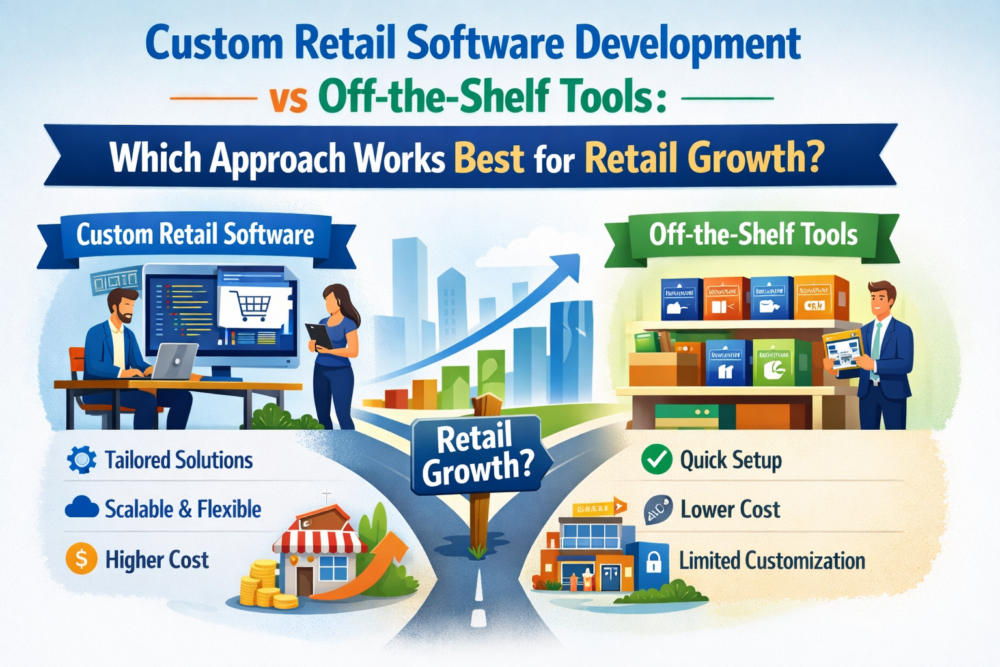
Retail growth usually creates pressure in inventory control, pricing, fulfillment, customer data, reporting, and store operations. A tool that works at an early stage may become restrictive once the business adds locations, sales channels, product complexity, or more demanding internal workflows.
Many retail teams compare packaged tools with custom retail software development once they realize that standard systems may support core transactions but still create limits in reporting, automation, or workflow control. Growth changes the question from what works today to what will still work when the business becomes larger, faster, and more complex.
Where the Two Approaches Differ
The off-the-shelf tools, as well as the custom software, address various types of business issues. One offers speed and standardization, while the other offers more control over how the system matches actual retail operations.
Off-the-Shelf Tools Work Faster at the Start
Retailers tend to be faster when using packaged software, as the product is already prebuilt, documented, and supported. The implementation time scales are usually shorter, and the business can commence with regular features without having to wait till they are developed.
Custom Software Fits More Specific Workflows
Custom systems become more attractive when the retailer has workflows that standard products do not support well. This may include complex stock allocation, multi-warehouse coordination, custom pricing logic, store-specific permissions, or unusual fulfillment processes.
A tailored system can reflect the way the business actually operates instead of forcing teams to adapt to product limitations. That can matter more as operational complexity increases.
Flexibility Comes at a Different Cost
Packaged tools reduce the need for initial development, but they may create friction later through workarounds, extra subscriptions, and limited configuration. Custom software requires more planning and investment, but it may reduce those long-term constraints.
The trade-offs below often matter most in early evaluation:
- Time needed to launch the system
- Amount of workflow customization required
- Internal dependence on third-party feature roadmaps
- Risk of process workarounds as operations grow.
Control Over Integrations Changes the Picture
Inventory platforms, ecommerce tools, CRM systems, finance software, and logistics tools often need to exchange data continuously. A business with unusual integration needs may find custom development more practical over time.
Integration strength matters because retail growth usually increases system interdependence. Weak connections often create manual work in exactly the areas the software was meant to improve.
When Off-the-Shelf Tools Make More Sense
Packaged software is often the better choice when the retailer needs reliable core functionality without building a large technical project.
Standard Operations Fit Standard Tools
A retailer selling through common channels with familiar processes may not need a highly tailored system. If pricing, fulfillment, returns, and customer communications follow widely used patterns, packaged tools may cover enough of the business. This is especially true when the company needs stability and predictable support more than unique system behavior.
Lower Initial Complexity
Off-the-shelf products usually reduce implementation complexity because setup, documentation, and support models are already established. That can help teams move faster without dedicating heavy internal resources to product design decisions. Retailers with limited technical oversight often benefit from this simpler path. It lowers the burden on internal teams during rollout.
When Custom Development Becomes More Practical
Custom software usually becomes more relevant when the retailer has already outgrown standard workflows. Growth often reveals that the real problem is no longer missing software but a missing fit between the business and the software it uses.
Multi-Channel and Operational Complexity
A growing retailer may need more control across stores, warehouses, marketplaces, ecommerce platforms, and internal reporting. Standard tools can manage parts of this environment while still leaving important gaps between systems.
A custom approach can help connect those processes into one operating model. That becomes more valuable when teams need fewer manual handoffs and more precise internal logic.
Unique Internal Processes Need Better Support
Some retailers rely on processes that packaged tools handle poorly. Examples include custom replenishment logic, supplier-specific receiving rules, regional promotions, or unusual approval flows for pricing and inventory decisions.
The conditions below often point toward custom development:
- Repeated workarounds in core operational tasks
- Heavy dependence on spreadsheets outside the main system
- Integration gaps between retail, warehouse, and finance tools
- Business rules that do not fit packaged software logic
- Growth plans that require more system control
What Usually Works Best for Retail Growth
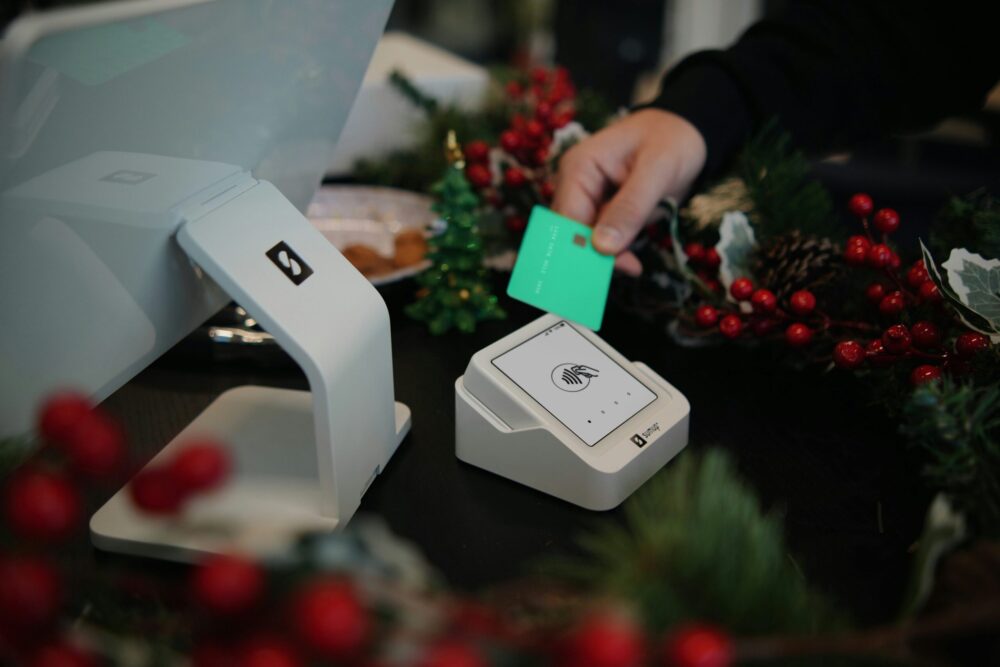
The better approach depends on the retailer’s stage, complexity, and growth direction. Off-the-shelf tools often work best when speed, standard features, and simpler deployment matter most. Custom software works better when the business needs tighter alignment between technology and operations.
Retail growth usually exposes where the current system is helping and where it is holding the business back. A good decision starts with workflow reality rather than product preference, because the best system is the one that supports growth without forcing the company into constant operational compromise.
Find a Home-Based Business to Start-Up >>> Hundreds of Business Listings.