











































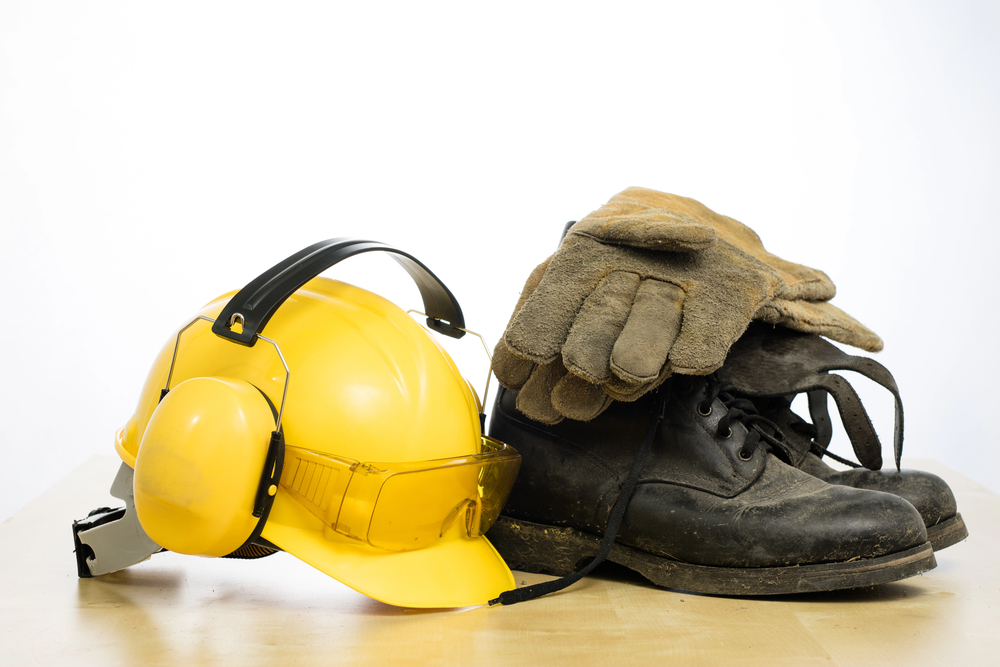
The majority of PPE and workwear programmes are constructed externally. A budget is established, a supplier catalogue is opened, and products are chosen based on price and compliance with minimum specifications. Employees are given what they have been selected for, and they make the best adjustments possible. The programmes which really attain sustained compliance and real protection are designed in reverse, with the people in the equipment and working inwards, and outwards, of their actual requirements. A needs assessment organised around consulting FFP3 mask suppliers and other specialist providers yields fundamentally different results than browsing a catalogue.
Starting With the Worker, Not the Catalogue
What is required is not the first question in a well-designed programme, but what the people doing the work are experiencing. What are the tasks with the highest exposure risk? What is wrong with existing equipment in practice? What do workers take off, modify or evade due to discomfort or ill-fitting? These questions, posed directly to workers in various positions, paint a picture of real needs that office-based purchasing decisions cannot capture. The data collected here influences all the other decisions made in the programme.
Respiratory Protection and the Fit Test Requirement
RPE, such as FFP3 high-hazard environment masks, will only work to its rated specification when properly fitted to the wearer. A mask that fits a particular worker well in the laboratory but leaks around the face due to facial geometry, facial hair, or improper size provides false protection rather than actual protection. Fit testing is not a refinement option. The step which turns a purchase into protection, and any programme which omits it has invested in equipment without investing in the result that the equipment is designed to achieve.
Durability as a Programme Economics Variable
PPE and workwear programmes that prioritise the lowest unit cost often find that the overall programme cost exceeds what a quality-first approach would achieve. Clothes that wear out easily, PPE that wears out after a short period of use, and boots that wear out before the season is over all need to be replaced sooner than their more durable counterparts. The cost per month for effective use, rather than the cost per item at the point of purchase, is a more accurate comparison of options and usually shows that quality is less expensive in the long run.
Role-Specific Requirements and the Limits of One-Size Programmes
When a single workwear specification is used across a workforce, irrespective of role, it results in some being over-specified, others being under-protected, and most wearing something that is not quite the right fit for what they actually do. A programme developed based on role-specific needs recognises that a worker who works in small spaces and is exposed to chemicals has different needs than a worker who works in the open air under unpredictable weather conditions at a construction site. Mapping requirements to roles, rather than applying a single standard across the board, will provide greater protection and generally more effective spending.
Involving Workers in the Selection Process
Offering workers choices and requesting organised feedback before finalising a programme specification serves several objectives at once. In practice, it raises concerns about fit, comfort, and usability that purchasing staff would not identify on their own. At the cultural level, it indicates that workers’ experience with the equipment is important to the business. The compliance results for workwear that workers help select are always higher than for equipment that workers are forced to adopt without consultation, due to the sense of ownership the former creates.
Programme Administration and Replenishment Systems
An appropriate selection of PPE and workwear only provides its value when workers can get replacements when they wear out or get damaged. Programmes where workers are forced to go through a complex internal approval process to get new gloves when theirs wear out, or their eye protection is in disrepair, leave gaps in protection, as workers improvise rather than interact with the bureaucracy. The programme-level protection across the entire workforce throughout the year is ensured by simple, easily accessible replenishment systems that treat replacement requests as normal rather than extraordinary.
Supplier Relationships and Technical Support
The excellence of the supplier relationship impacts programme outcomes in ways that transcend the specifications of individual items. Suppliers who have true technical knowledge of their product lines can recommend changes to specifications as working conditions change, suggest new products that enhance protection or comfort, and assist with the fit tests and training factors that ensure equipment works as claimed. A transactional purchasing relationship provides items. A technical partnership delivers results, and the difference is more important in PPE than in nearly any other type of procurement.
Monitoring, Review, and Continuous Improvement
A PPE and workwear programme is not a one-time decision. Conditions at work vary, new risks arise, products improve, and workers’ feedback builds. The formal review cycle into the programme, with the systematic gathering of worker experience data and periodic specification reviews, will keep the programme focused on real needs rather than wandering off to whatever was determined a few years ago. The companies with the best safety records view their protective equipment programmes as living systems rather than solved problems.
Find a Home-Based Business to Start-Up >>> Hundreds of Business Listings.


