










































Warehouse flooring takes more abuse than almost any other surface in an industrial setting. Constant forklift traffic, shifting pallet loads, exposure to moisture, and the occasional chemical spill all combine to test both durability and safety. Choosing the right flooring material is not simply a maintenance decision. It directly affects worker safety, operational efficiency, and long term costs.
Aluminium checker plate has steadily gained attention as a reliable flooring option in warehouses, particularly in areas where slip resistance and corrosion resistance matter. But using it effectively requires more than just laying sheets across a surface. There are practical considerations that determine whether it performs as expected or becomes a costly mistake.
Why Aluminium Checker Plate Works in Warehouse Environments
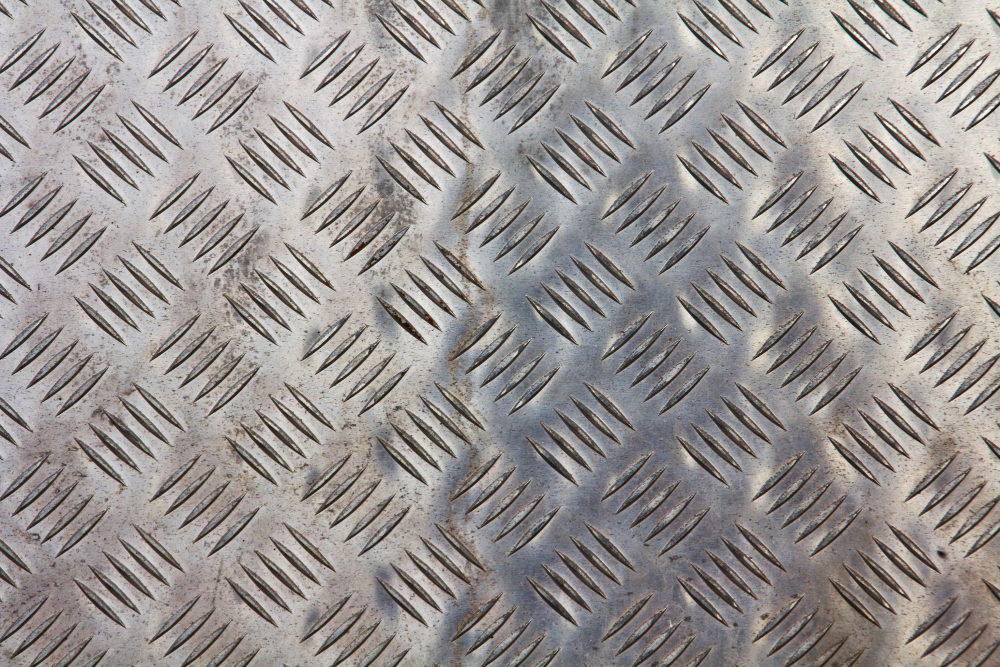
The defining feature of aluminium checker plate solutions is its raised pattern. Those ridges are not just aesthetic. They provide grip underfoot and under wheels, reducing the likelihood of slips in high traffic zones.
According to a 2024 workplace safety report published by the International Labour Organization, slips and trips remain one of the leading causes of workplace injuries in logistics and warehousing environments. Surfaces that improve traction can significantly reduce incident rates, particularly in loading bays and transitional zones.
Aluminium also brings inherent corrosion resistance. Unlike mild steel, it does not rust when exposed to moisture. This makes it particularly useful in warehouses handling food products, chemicals, or goods that require frequent cleaning.
A logistics facility manager based in Melbourne once put it plainly
“We switched to aluminium checker plate in our loading area after years of repainting steel floors. It paid for itself in reduced maintenance within two years.”
Where It Makes the Most Sense to Install
Not every section of a warehouse needs aluminium checker plate solutions for flooring. The key is to apply it where its properties deliver the most value.
High impact areas such as loading docks benefit greatly. These zones deal with constant movement of goods and exposure to weather. The anti slip surface helps maintain traction even when wet.
Mezzanine walkways are another strong candidate. Worker safety is critical at height, and the added grip reduces the chance of accidents. Aluminium also keeps the structure lighter compared to steel alternatives, which can be an advantage in suspended systems.
Ramps and inclined surfaces are perhaps the most obvious application. The raised pattern helps prevent both foot and wheel slippage, especially when transporting heavy loads.
Selecting the Right Thickness and Grade
One of the most common mistakes is choosing a plate that is too thin. While aluminium is strong, it still needs adequate thickness to handle point loads from pallet jacks or forklifts.
For light pedestrian areas, thinner sheets may be acceptable. However, for zones with machinery or heavy rolling loads, thicker plates are essential to prevent deformation.
Grade selection also matters. Alloys such as 3003 and 5052 are commonly used for checker plate due to their balance of strength and corrosion resistance. The right choice depends on whether the environment prioritises structural load or exposure resistance.
When specifying materials, it is worth consulting suppliers who understand industrial applications rather than relying solely on general hardware recommendations.
Installation Considerations That Affect Performance
Proper installation determines whether the flooring will remain safe over time.
The substrate must be level and adequately supported. Any unevenness underneath the plate can lead to flexing, which not only feels unstable but can eventually cause fatigue in the material.
Fixing methods should be chosen based on usage. Mechanical fasteners are common, but in some environments, adhesive bonding may be used to reduce vibration or noise. In high traffic areas, a combination of both can offer additional security.
Expansion gaps should not be overlooked. Aluminium expands and contracts with temperature changes. Without proper allowance, sheets can warp or buckle over time.
Another detail that often gets missed is edge finishing. Exposed edges should be treated or covered to prevent trip hazards and injuries.
Maintenance and Longevity in Real Conditions
One of the appealing aspects of aluminium checker plate solutions is its relatively low maintenance requirement. However, low maintenance does not mean no maintenance.
Routine cleaning is essential, especially in environments where oils or dust can accumulate and reduce the effectiveness of the anti slip pattern. A simple cleaning schedule can preserve both safety and appearance.
Inspection should be part of regular warehouse checks. Look for signs of loosening, surface wear, or deformation. Addressing minor issues early can prevent more serious problems later.
Unlike painted steel floors, aluminium does not require recoating, which reduces downtime and long term costs. This is one of the reasons many operations shift towards it after experiencing ongoing maintenance issues with other materials.
Balancing Cost with Long Term Value
Initial cost is often a concern. Aluminium checker plate can be more expensive upfront compared to basic steel or concrete finishes. However, focusing solely on initial pricing can be misleading.
When factoring in reduced maintenance, longer service life, and improved safety outcomes, the overall value becomes clearer. Fewer accidents mean less downtime and lower liability risks, which can significantly impact operational costs.
This is where checker plates aluminium solutions stand out. They offer a balance between durability and practicality that suits many warehouse environments without requiring constant upkeep.
Common Mistakes to Avoid
Even a high quality material can underperform if used incorrectly.
One frequent issue is overextending its use into areas where other flooring types may be more suitable. For example, extremely heavy industrial zones with constant forklift turning might require reinforced steel or specialised flooring systems.
Another mistake is neglecting proper fastening. Loose plates not only compromise safety but can also create noise and vibration issues that affect daily operations.
Finally, ignoring drainage and cleaning considerations can reduce the effectiveness of the surface. If contaminants are allowed to build up, the anti slip benefits diminish.
Conclusion
Aluminium checker plate is not a universal solution for every warehouse floor, but when applied thoughtfully, it delivers a combination of safety, durability, and efficiency that is difficult to match.
The key lies in understanding where it performs best, selecting the right specifications, and ensuring proper installation. When these elements come together, the result is a flooring system that supports both operational demands and worker safety.
For businesses looking to improve high traffic or high risk areas, checker plates aluminium remain a practical and proven option that aligns with modern warehouse requirements.
Find a Home-Based Business to Start-Up >>> Hundreds of Business Listings.


