






































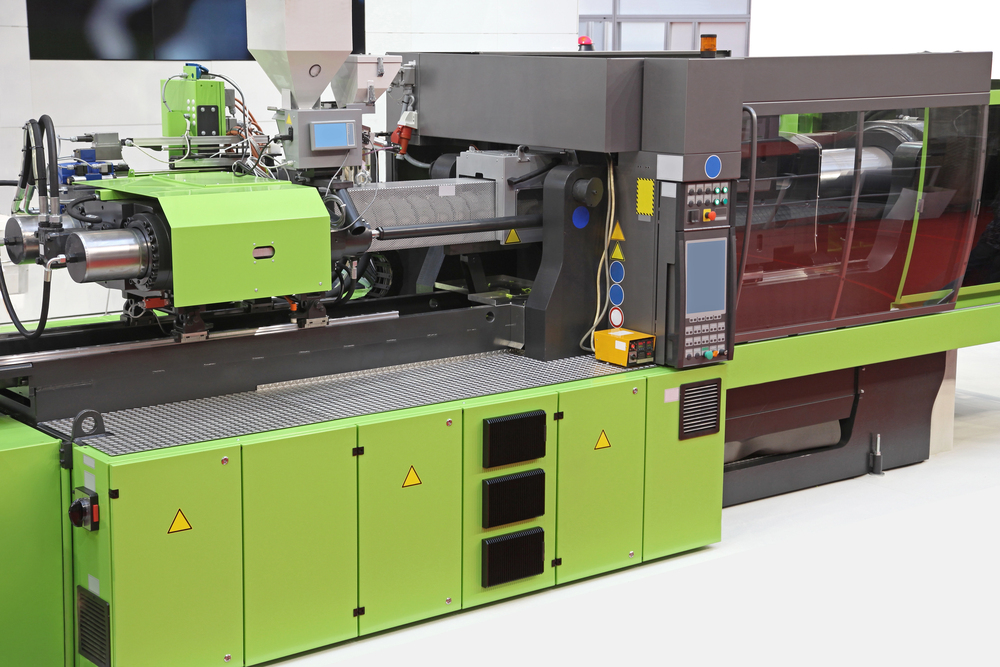
Every product business reaches the same inflection point: you have a validated concept, a design file, and a customer base ready to buy. What you need next is a manufacturing partner who can turn that file into physical inventory at consistent quality and predictable cost. For entrepreneurs whose products involve plastic components, finding the right partner for tailored and custom injection molding is one of the most consequential decisions of the early scaling phase, and one that is rarely covered in the startup playbooks that dominate the entrepreneurial content landscape.
Why Custom Injection Molding Is Not a Commodity Purchase
The instinct of many early-stage founders is to treat manufacturing as a procurement exercise: get three quotes, pick the lowest, move on. This approach works reasonably well for generic off-the-shelf components. It tends to fail, sometimes catastrophically, for custom-molded plastic parts that have to meet dimensional tolerances, material performance requirements, and regulatory specifications.
Custom injection molding is a relationship-dependent service. The mold itself is a precision tool that can cost thousands to tens of thousands of dollars to build, and its quality directly determines the quality of every part produced from it. A molder who cuts corners on mold construction, material selection, or process setup creates problems that compound with every production run: parts out of tolerance, inconsistent shrinkage, surface defects, or field failures that trigger warranty costs and customer complaints.
The Total Cost of a Bad Manufacturing Decision
When a custom molding relationship goes wrong, the cost is rarely limited to the parts themselves. Tooling built to a poor specification may need to be rebuilt entirely, at full cost. A quality escape discovered after parts have shipped requires customer notifications, returns, and potential regulatory reporting in regulated industries. Expediting replacement parts from a new supplier after terminating a failing relationship adds weeks or months to the production timeline.
For a startup or growing small business, any of these scenarios can be existential. For a product entrepreneur choosing a manufacturer, the due diligence invested in selecting the right manufacturing partner upfront is insurance against outcomes that most founders do not price into their business models.
What to Look for in a Custom Injection Molding Partner
Engineering Support Before the Mold Is Built
One of the most valuable things a quality molder can offer is design for manufacturability feedback before tooling is committed. Wall thickness variations that cause sink marks, gate placements that create weld lines in visible areas, draft angles insufficient for part ejection, and material specifications mismatched to performance requirements are all issues that can be caught at the design review stage, at virtually no cost, rather than discovered in first article inspection, at significant cost.
A molder with qualified plastics engineers on staff who will engage actively with your design is worth meaningfully more than a lower-cost competitor who takes your file and builds the tool without comment. As a product entrepreneur, when choosing a manufacturer, asking directly about the DFM review process in your first conversation is a useful filter for separating partners from vendors.
Quality Systems That Match Your Customer Requirements
If your product will be sold into regulated markets, such as medical, food contact, or electronics, your manufacturing partner’s quality documentation will be scrutinized by buyers, distributors, and regulators. ISO 9001:2015 certification establishes the baseline: documented process control, traceability, and corrective action capability. Some industries require additional certifications or quality standards that should be confirmed before committing to a supplier.
Even if your product does not face regulatory requirements today, building your supply chain on certified quality infrastructure from the beginning positions you better for the distribution relationships and retail channels you will pursue as you grow.
Resin Expertise That Matches Your Application
Not all plastic resins are interchangeable, and the difference between the right material and the almost-right material can show up in product returns two years after launch. A molder with demonstrated expertise across engineering-grade resins, including nylons, polycarbonates, impact-modified grades, and specialty compounds, can help you navigate material selection decisions that affect durability, aesthetics, chemical resistance, and regulatory compliance. This guidance is particularly valuable for first-time product founders who have not yet developed their own plastics engineering expertise.
Practical Steps for Evaluating a Molding Partner
Before committing tooling investment to any supplier, visit the facility if at all possible. The condition of equipment, the cleanliness of the floor, and the way the team handles your questions will tell you more about how your project will be managed than any quote sheet. Ask specifically about their experience with parts similar to yours in size, geometry, and material. Request references from existing customers in your industry. Confirm their lead time commitments in writing and understand how they communicate when problems arise.
For product entrepreneurs building their first physical supply chain, the right injection molding partner is not simply a cost center when a product entrepreneur is choosing a manufacturer. They are a production capability that will enable or constrain your ability to grow, respond to market feedback, and deliver on the promise you make to your customers.
Find a Home-Based Business to Start-Up >>> Hundreds of Business Listings.