








































Introduction
Iceland is one of the most breathtaking travel destinations in the world, known for its dramatic landscapes, waterfalls, volcanoes, and Northern Lights. Whether you’re a first-time visitor or planning a return trip, knowing the best things to do in Iceland can make or break your experience.
From exploring glaciers and black sand beaches to soaking in geothermal lagoons, Iceland offers unforgettable adventures. However, not every tourist spot is worth your time or money.
This complete travel guide highlights the must-visit places, practical travel tips, and what you can skip to plan a smarter, more memorable Iceland trip.
Quick Answer: What Are the Best Things to Do in Iceland?
The best things to do in Iceland include visiting waterfalls, exploring glaciers, seeing the Northern Lights, and relaxing in geothermal lagoons.
Top highlights include the Golden Circle, Blue Lagoon, South Coast, and Reykjavik. For a balanced trip, combine nature, adventure, and cultural experiences.
1. Explore the Golden Circle Route
The Golden Circle is Iceland’s most famous sightseeing route and perfect for first-time visitors.
It includes three major attractions: Þingvellir National Park, Geysir geothermal area, and Gullfoss waterfall. The route is easily accessible from Reykjavík and can be completed in a day.
This is one of the best ways to experience Iceland’s natural beauty quickly.
2. Relax at the Blue Lagoon
The Blue Lagoon is one of Iceland’s most iconic attractions.
This geothermal spa offers warm, mineral-rich waters surrounded by lava fields. It’s perfect for relaxation after a long flight or road trip.
While it’s popular and sometimes crowded, it remains a must-visit for many travelers.
3. Visit South Coast Waterfalls
Iceland’s south coast is home to some of the most stunning waterfalls in the world.
Highlights include Seljalandsfoss, where you can walk behind the waterfall, and Skógafoss, known for its powerful cascade.
The dramatic landscapes make this region a photographer’s dream.
4. Walk on Black Sand Beaches
The famous Reynisfjara Beach is known for its black volcanic sand and basalt columns.
Located near the village of Vik, it offers a unique coastal experience unlike anywhere else in the world.
However, visitors should be cautious of strong waves, which can be dangerous.
5. Chase the Northern Lights
Seeing the Aurora Borealis is one of the most magical experiences in Iceland.
The best time to see them is between September and March, away from city lights.
Weather conditions play a big role, so patience and planning are key.
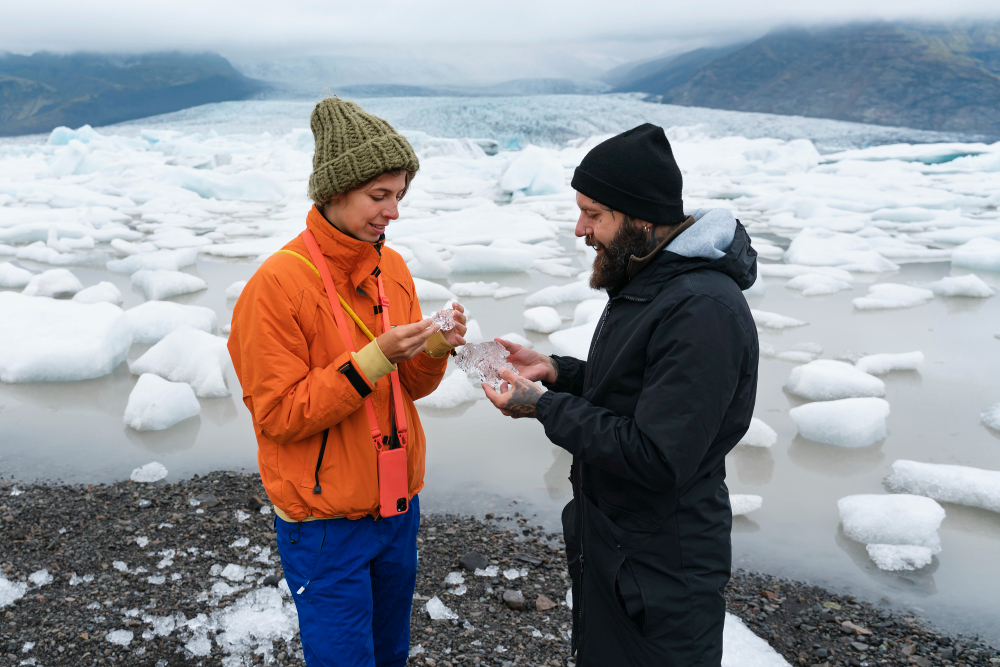
6. Explore Glaciers and Ice Caves
Iceland is home to massive glaciers that offer incredible adventure opportunities.
You can hike on glaciers or explore ice caves, especially in winter. These experiences provide a closer look at Iceland’s unique geology.
Guided tours are recommended for safety.
7. Discover Reykjavik City Life
Reykjavík offers a mix of culture, food, and nightlife.
Visit landmarks like Hallgrímskirkja church, explore local museums, and enjoy Icelandic cuisine.
It’s also a great base for day trips across the country.
What to Skip in Iceland
Not every attraction is worth your time, especially if you’re on a tight schedule.
Some lesser-known hot springs may not justify long detours. Overcrowded tourist spots during peak season can also reduce the experience.
Instead, focus on unique locations and avoid rushing through too many places.
Comparison Table: Must-Visit vs Optional
| Category | Must-Visit Places | Optional/Skip |
|---|---|---|
| Nature | Golden Circle, waterfalls | Remote minor sites |
| Relaxation | Blue Lagoon | Overpriced smaller spas |
| Beaches | Reynisfjara | Similar less scenic beaches |
| Experiences | Northern Lights, glaciers | Generic city tours |
Real-World Travel Use Cases
Travelers often plan 5–7 day trips covering the Golden Circle and South Coast.
Adventure seekers focus on glaciers and hiking, while leisure travelers prefer spas and scenic drives.
Families usually combine easy-access attractions with Reykjavik city exploration.
Expert Insights
Travel experts recommend balancing popular attractions with off-the-beaten-path experiences.
Booking tours in advance, especially for the Northern Lights and glaciers, can save time and ensure availability.
Visiting during shoulder seasons (spring or autumn) offers fewer crowds and better value.
Statistics & Travel Trends
Iceland continues to grow as a top global destination.
Tourism has increased significantly over the past decade, with millions of visitors each year. Natural attractions remain the main draw, followed by unique cultural experiences.
Common Mistakes to Avoid
Many travelers underestimate Iceland’s weather and driving conditions.
Trying to cover too many attractions in a short time can lead to exhaustion. Another mistake is ignoring safety warnings at natural sites.
Proper planning and flexibility are essential for a successful trip.
Best Practices for Visiting Iceland
Plan your itinerary based on the season and daylight hours.
Renting a car offers flexibility, but guided tours are safer for certain activities. Always check weather forecasts and road conditions.
Pack appropriate clothing, including waterproof gear.
Key Takeaways
- Iceland offers a mix of natural wonders and cultural experiences
- The Golden Circle and South Coast are must-visit areas
- Northern Lights and glaciers are top experiences
- Avoid overcrowded or low-value attractions
- Proper planning ensures a smooth trip
Expert Tip
For the best experience, combine iconic attractions with lesser-known spots. Start early in the day to avoid crowds and make the most of Iceland’s natural beauty.
FAQs
1. What is the best time to visit Iceland?
The best time depends on your goals. Summer offers long daylight hours and easier travel, while winter is ideal for seeing the Northern Lights. Shoulder seasons provide fewer crowds and moderate weather.
2. How many days are enough for Iceland?
A 5–7 day trip is ideal for covering major attractions like the Golden Circle and South Coast. Longer stays allow for exploring remote regions like the Westfjords or Ring Road.
3. Is Iceland expensive for tourists?
Yes, Iceland is considered an expensive destination. Accommodation, food, and activities can be costly, but careful planning and budgeting can help manage expenses.
4. Can you see the Northern Lights in Reykjavik?
It is possible, but not ideal due to light pollution. For the best views, travel outside the city to darker areas with clear skies.
5. Do I need a car to travel in Iceland?
Renting a car provides flexibility and access to remote locations. However, guided tours are a good option for those who prefer not to drive.
6. Are Iceland’s natural attractions safe?
Most attractions are safe if you follow guidelines and warnings. Always stay on marked paths and be cautious near waterfalls, cliffs, and beaches.
7. What should I pack for Iceland?
Pack warm layers, waterproof clothing, sturdy shoes, and essentials for changing weather. Even in summer, conditions can be unpredictable.
Find a Home-Based Business to Start-Up >>> Hundreds of Business Listings.