









































Introduction
A commercial electrician plays a crucial role in ensuring the safe and efficient operation of electrical systems in businesses, offices, and industrial environments. Unlike residential electricians, these professionals handle complex electrical setups, including large-scale wiring, power distribution systems, and advanced safety systems.
With the growth of commercial infrastructure—such as offices, shopping centers, and industrial facilities—the demand for skilled electricians has increased significantly. Businesses rely on them to maintain electrical safety, prevent downtime, and ensure compliance with regulations.
In this comprehensive guide, we explore what a commercial electrician does, required skills, services offered, costs, and how to choose the right professional for your needs.
Quick Answer: What Is a Commercial Electrician?
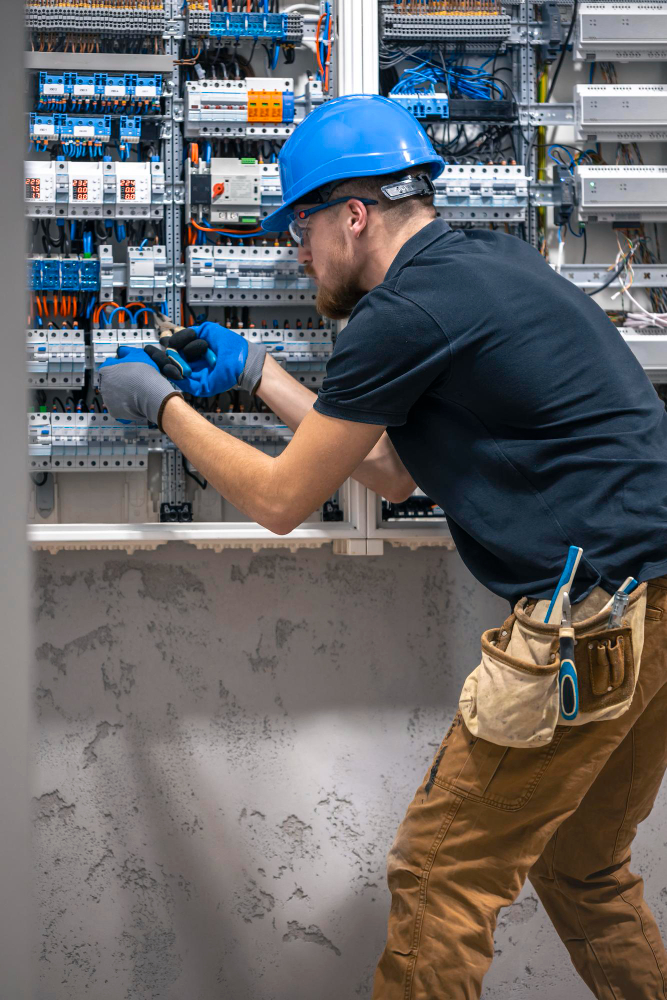
A commercial electrician is a licensed professional who installs, maintains, and repairs electrical systems in commercial buildings such as offices, retail stores, and industrial facilities.
Key Takeaways
- Works on large-scale electrical systems
- Handles installation, maintenance, and repairs
- Requires specialized training and certification
- Ensures safety and compliance
- Essential for business operations
What Does a Commercial Electrician Do?
Core Responsibilities
- Install electrical wiring systems
- Maintain power distribution systems
- Repair electrical faults
- Ensure safety compliance
- Upgrade outdated systems
Types of Work
1. Installation
- Wiring new buildings
- Installing lighting systems
2. Maintenance
- Routine inspections
- Preventive maintenance
3. Repairs
- Fixing outages
- Troubleshooting electrical issues
Skills Required for a Commercial Electrician
Technical Skills
- Electrical system knowledge
- Blueprint reading
- Troubleshooting
Soft Skills
- Problem-solving
- Communication
- Attention to detail
Certifications
- Electrical licensing
- Safety certifications
- Industry training programs
Comparison Table: Commercial vs Residential Electrician
| Feature | Commercial Electrician | Residential Electrician |
| Work Environment | Offices, factories | Homes |
| System Complexity | High | Moderate |
| Voltage Levels | Higher | Lower |
| Project Size | Large-scale | Small-scale |
Step-by-Step: How to Hire
Step 1: Define Your Needs
Identify the scope of work
Step 2: Check Credentials
Verify licenses and certifications
Step 3: Review Experience
Look for similar project experience
Step 4: Compare Quotes
Evaluate pricing and services
Step 5: Confirm Compliance
Ensure adherence to safety standards
Real-World Use Cases
Office Buildings
Electrical system installation and maintenance
Retail Stores
Lighting and power setup
Industrial Facilities
Heavy machinery and power distribution
Expert Tip
Always hire licensed electricians with proven experience in commercial projects to avoid safety risks and costly mistakes.
Industry Insights & Statistics
- Demand for electricians is steadily growing
- Commercial construction drives job opportunities
- Skilled electricians command higher wages
Common Mistakes to Avoid
- Hiring unlicensed electricians
- Ignoring safety standards
- Choosing based on price only
- Not checking references
Best Practices for Businesses
- Schedule regular maintenance
- Upgrade outdated systems
- Ensure compliance with regulations
- Invest in energy-efficient solutions
Cost of Hiring a Commercial Electrician
Factors Affecting Cost
- Project size
- Complexity
- Location
- Experience level
Typical Pricing
- Hourly rates
- Project-based pricing
Benefits of Hiring a Commercial Electrician
- Ensures safety
- Reduces downtime
- Improves efficiency
- Meets legal requirements
Future of Commercial Electrical Work
1. Smart Technology Integration
Automation and smart systems
2. Renewable Energy
Solar and energy-efficient systems
3. Advanced Safety Standards
Stricter compliance requirements
Why Commercial Electricians Are Important
They ensure:
- Safe operations
- Reliable power supply
- Business continuity
FAQ Section
1. What does a commercial electrician do?
They install, maintain, and repair electrical systems in commercial buildings and industrial environments.
2. How is a commercial electrician different from a residential electrician?
They work on larger, more complex systems with higher voltage levels in business environments.
3. How much does it cost to hire one?
Costs vary based on project size, complexity, and location.
4. Do I need a licensed electrician?
Yes, hiring a licensed professional ensures safety and compliance.
5. What skills are required?
Technical knowledge, problem-solving skills, and proper certifications.
6. How can I choose the right electrician?
Check credentials, experience, reviews, and pricing before hiring.
Find a Home-Based Business to Start-Up >>> Hundreds of Business Listings.