









































Most gardeners who start photographing or filming their gardens do so with good intentions and end up with a disorganized accumulation of images that never quite becomes anything useful.
The problem isn’t a lack of material – gardens are endlessly photogenic – it’s a lack of system. Without a consistent approach to what you capture and how you store it, even beautiful footage ends up buried in a camera roll and forgotten.
Getting real value from documenting your garden requires a bit of planning upfront and a few habits that become automatic over time. The good news is that the system doesn’t need to be complicated. It just needs to be consistent.
Setting Up a System Before You Start Filming
Before you point a camera at anything, decide what you actually want to end up with. Are you building a time-lapse of a single bed through the growing season? Creating a reference archive for which plants performed well in which years? Making content to share with other gardeners? — when you document your garden.
The answer shapes everything from how often you shoot to what equipment makes sense.
For smooth walking footage through borders and beds, a smartphone gimbal makes a noticeable difference – handheld walking shots tend to be shaky in ways that are fine in the moment but tiring to watch back.
You don’t need expensive gear to get started. A phone with a decent camera, a simple tripod, and a consistent shooting position will outperform professional equipment used haphazardly. What matters most when you document your garden is repeatability—standing in the same spot, framing the same view, and letting the garden do the work of changing between captures.
What to Capture and When
The biggest mistake garden documentarians make is only filming when things look good. The value of documenting your garden archive comes precisely from capturing the full range – the bare beds of early spring, the chaos of high summer, the collapse of perennials in late autumn, the bare structure of winter. Without those chapters, you don’t have a story; you have a highlight reel.
Mark a few key dates in your calendar: the first signs of growth after winter, peak bloom for your main beds, the moment summer turns to autumn, and a late-winter overview of the garden’s bones.
Getting the Most out of Close-Up Shots
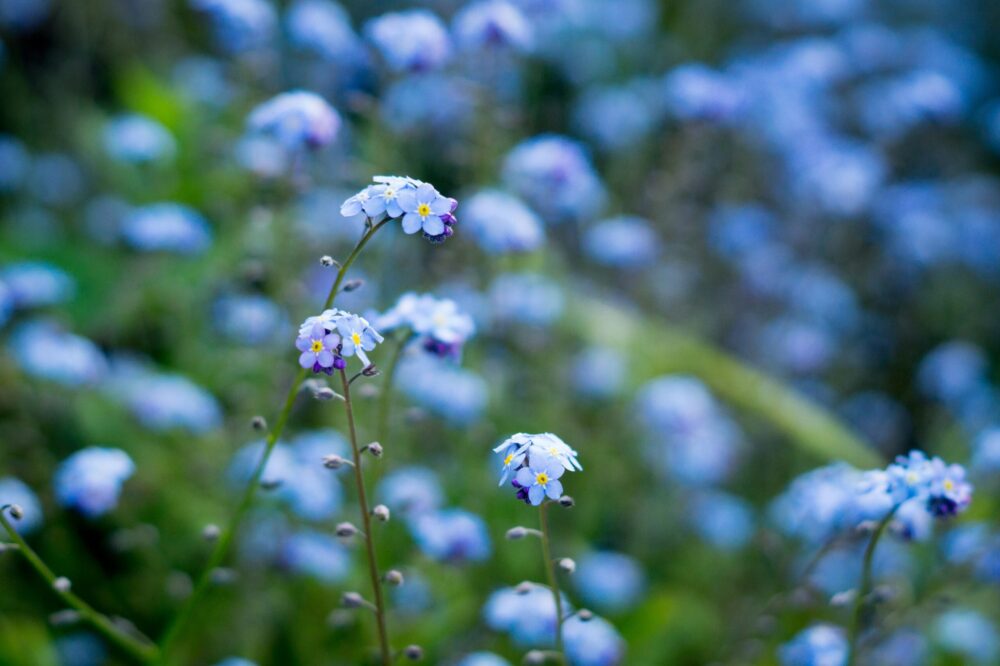
Detail shots – individual flowers, emerging bulbs, the texture of bark, insects visiting blooms – are some of the most valuable footage you can collect because they capture what’s easy to walk past without registering. These shots are also where a bit of technical attention pays off most directly.
Natural light in the early morning or late afternoon (what photographers call golden hour) produces the most flattering and detailed close-up results. Bright midday sun creates harsh shadows and washed-out color that rarely looks as good as the actual plant.
If you’re filming or photographing something that won’t last – a bloom that’s only open for a day or two, a frost pattern on leaves – early morning is almost always the right time.
When shooting close-ups, pay attention to your background. A cluttered or bright background pulls the eye away from your subject. Shifting your angle by a few inches can often place a hedge or a patch of dark foliage behind the flower you’re focusing on, which makes a dramatic difference in the final image.
Organizing Your Footage So You Can Actually Find It
Raw footage is only useful if you can find it when you need it. Develop a naming convention before you begin and stick to it.
Something as simple as YYYY-MM-DD_location_subject works well because it sorts chronologically and is searchable. Store footage in a folder structure organized by year and season, and back up to at least one additional location.
For gardeners who want to compare specific plants or beds across years, creating a simple log – even just a text file or spreadsheet – noting the date, subject, and light conditions for each shoot makes the archive dramatically more useful.
Turning Your Archive into Something Useful
An archive that just sits there is better than no archive at all, but the real payoff comes when you start actively using your footage.
Reviewing your photos from the same week in previous years before making planting decisions is one of the most practical applications. Memory is unreliable – you might remember that a particular rose bloomed in May, but your photos will tell you whether it was early May or late May, and whether the companions you planted alongside it were actually in flower at the same time.
If sharing your garden journey interests you, a well-organized archive makes content creation far less painful. Instead of scrambling to find a before-and-after comparison or hunting for that one shot of a plant in its first year, everything is already named, dated, and easy to pull together.
The gardeners who get the most from their documentation are the ones who treat it as a working tool rather than a vanity project. Start simple, stay consistent, and let the archive build. After even one full year, you’ll have something genuinely valuable – and you’ll wonder how you ever gardened without it.
Find a Home-Based Business to Start-Up >>> Hundreds of Business Listings.