






































Introduction
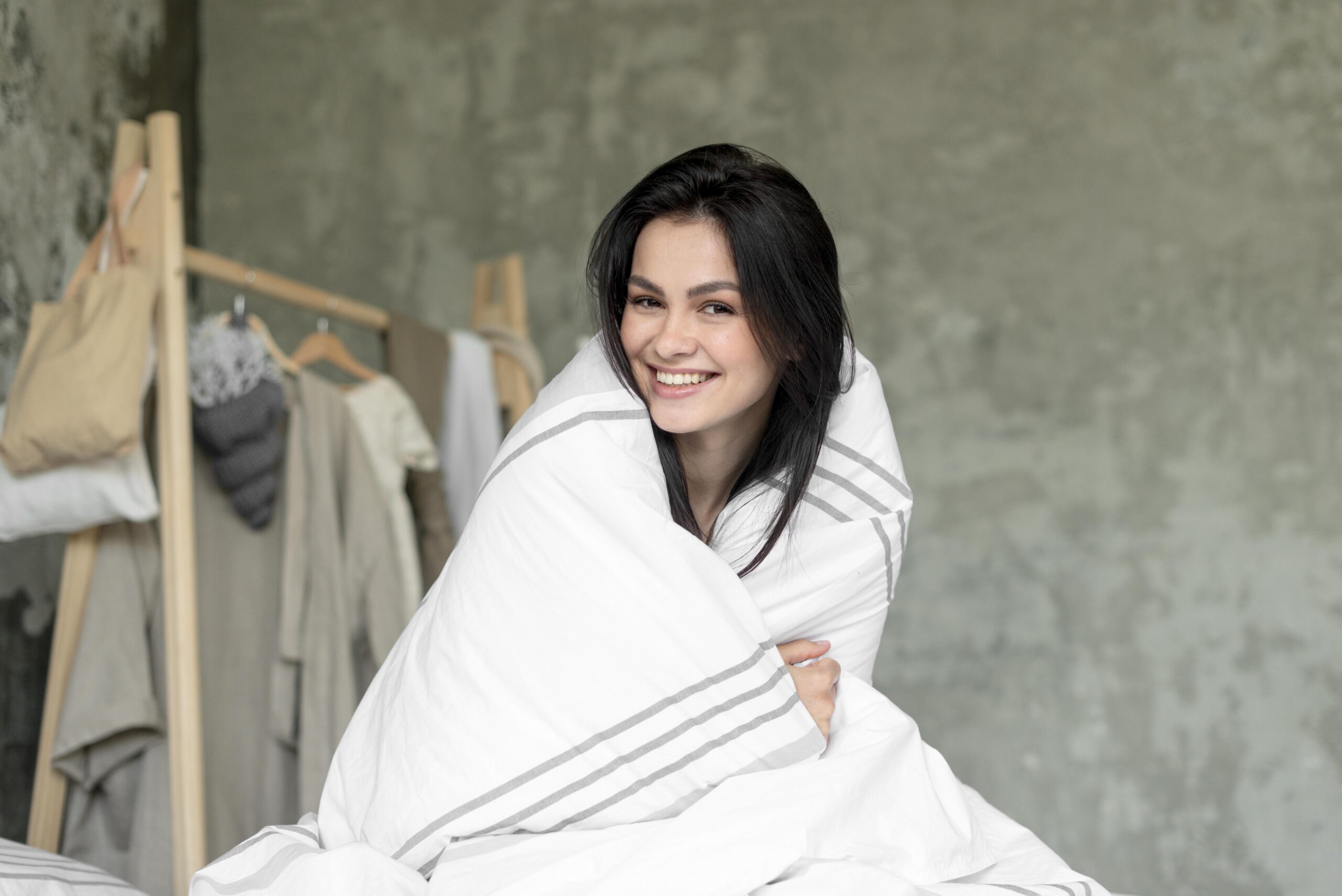
A cooling comforter is designed to regulate body temperature and prevent overheating during sleep. Unlike traditional comforters that trap heat, cooling comforters use breathable fabrics and moisture-wicking technology to keep sleepers comfortable throughout the night.
Many people experience disrupted sleep due to excessive warmth, especially in warmer climates or during summer. Cooling bedding solutions such as cooling comforters help maintain an optimal sleeping environment by improving airflow and reducing heat buildup.
In this HBM guide, we explain how cooling comforters work, their benefits, the best materials, and how to choose the right option for your sleep needs.
Quick Definition
A cooling comforter is a type of bedding designed with breathable fabrics and temperature-regulating materials that help disperse body heat and maintain a cooler sleeping environment.
These comforters typically use materials such as:
- bamboo fiber
- moisture-wicking cotton
- cooling microfiber
- phase-change fabric technology
Key Takeaways
- Help regulate body temperature while sleeping.
- They are ideal for hot sleepers and warm climates.
- Breathable fabrics improve air circulation and moisture control.
- Enhance sleep quality and comfort.
- Choosing the right material is important for effective temperature regulation.
How a Cooling Comforter Works
Cooling comforters use specialized materials and fabric technologies to maintain a comfortable sleep temperature.
Breathable Fabric Structure
Many cooling comforters are made from breathable fabrics that allow air to circulate, preventing heat from being trapped.
Moisture-Wicking Technology
These comforters absorb and evaporate sweat quickly, keeping the sleeper dry and comfortable.
Heat-Dissipating Materials
Some advanced comforters include phase-change materials that actively absorb and release heat to maintain balanced temperatures.
Benefits of Using
Better Sleep Quality
Maintaining a cool body temperature helps improve sleep cycles and prevents nighttime awakenings.
Comfort for Hot Sleepers
People who naturally sleep warm can experience better comfort with temperature-regulating bedding.
Reduced Night Sweats
Helps manage moisture and reduce discomfort caused by night sweats.
Year-Round Use
Many cooling comforters are lightweight enough to be used in both summer and mild winter conditions.
Best Materials
Bamboo Fabric
Bamboo fibers are naturally breathable, soft, and moisture-absorbing, making them a popular choice for cooling bedding.
Cotton
High-quality cotton offers excellent airflow and comfort for everyday use.
Microfiber Cooling Fabric
Specialized microfiber fabrics provide lightweight insulation while maintaining breathability.
Advanced Cooling Technology
Some comforters use phase-change materials designed to absorb excess heat and regulate temperature.
Comparison: Cooling Comforter vs Regular Comforter
| Feature | Cooling Comforter | Regular Comforter |
| Temperature Control | Designed to regulate heat | May trap body heat |
| Breathability | High airflow fabrics | Limited airflow |
| Moisture Control | Moisture-wicking materials | Often absorbs sweat |
| Comfort Level | Ideal for hot sleepers | Suitable for colder climates |
| Sleep Quality | Helps prevent overheating | Can cause night sweating |
Step-by-Step: How to Choose the Best
Step 1: Check the Fabric Material
Look for breathable materials such as bamboo, cotton, or specialized cooling fabrics.
Step 2: Consider Weight
Lightweight comforters usually provide better airflow and temperature regulation.
Step 3: Evaluate Moisture Control
Choose comforters with moisture-wicking technology if you experience night sweats.
Step 4: Review Size and Fit
Ensure the comforter size matches your mattress dimensions for proper coverage.
Expert Tip
For the best sleep experience, combine a cooling comforter with breathable sheets, temperature-regulating pillows, and proper bedroom ventilation. This creates a balanced sleep environment that supports consistent body temperature throughout the night.
Common Mistakes When Buying
Choosing Thick Insulated Comforters
Heavy comforters may trap heat and reduce the cooling effect.
Ignoring Fabric Quality
Low-quality fabrics may not provide proper airflow or moisture control.
Overlooking Climate Needs
Different climates require different cooling levels, so choose accordingly.
Best Practices for Maintaining
- Wash with mild detergent to protect fabric quality
- Avoid high heat drying to maintain cooling fibers
- Store in breathable storage bags when not in use
- Follow manufacturer care instructions
Proper maintenance ensures the comforter continues providing cooling benefits.
FAQ Section
What is a cooling comforter?
A cooling comforter is a bedding product designed to regulate body temperature while sleeping. It uses breathable fabrics and moisture-wicking materials that help disperse heat and keep sleepers comfortable throughout the night.
Who should use a cooling comforter?
Ideal for hot sleepers, people living in warm climates, or anyone who experiences night sweats. They help maintain a cooler sleeping environment and improve overall sleep comfort.
What materials are best for cooling comforters?
Popular materials include bamboo, cotton, cooling microfiber, and fabrics with temperature-regulating technology. These materials allow airflow and help prevent heat buildup.
Do breathable comforters really work?
Yes, cooling comforters work by improving airflow and moisture control while sleeping. Their breathable fabrics help regulate body temperature, making them effective for reducing overheating during sleep.
Find a Home-Based Business to Start-Up >>> Hundreds of Business Listings.