









































Residential renovations often focus on improving both the appearance and performance of a home. Windows play a major role in this process because they influence natural light, ventilation, and the overall architectural style of a property. For homeowners working on traditional houses or upgrading older buildings, selecting the right window type can make a significant difference to both comfort and visual character.
When exploring window options for renovation projects, many homeowners consider timber casement windows because they combine traditional craftsmanship with reliable everyday functionality. Their straightforward design and natural material make them particularly suitable for homes that require a balance between modern performance and architectural consistency.
Understanding the Casement Window Design
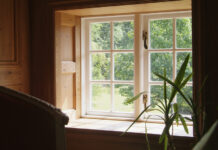
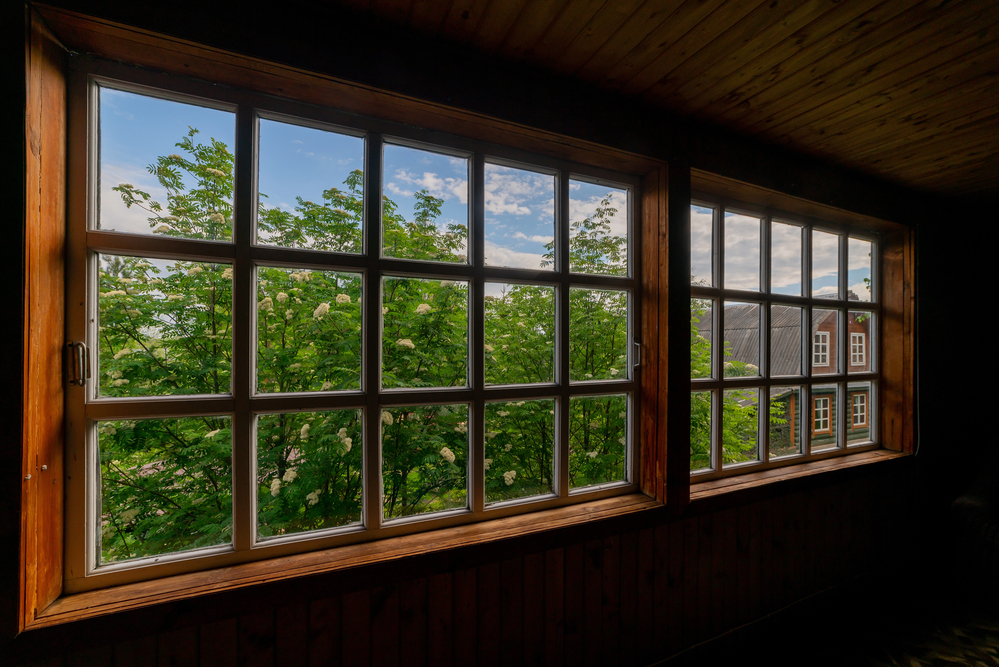
Casement windows are one of the most widely used window styles in residential construction. Unlike sliding sash windows, casement windows are attached to the frame with side hinges and open outward. This design allows the entire window panel to swing open, creating a wide opening that supports effective ventilation.
The simplicity of the casement window design is one of its greatest advantages. The single opening panel allows unobstructed views while also making the window easy to operate. Because the frame closes tightly against the window seal, casement windows can also provide strong protection against external draughts when properly fitted.
Timber casement windows are especially well-suited to homes that prioritise traditional materials and classic detailing. The natural appearance of wood complements a wide range of architectural styles, making it a flexible choice for both period properties and carefully planned renovations.
Benefits of Timber in Renovation Projects
Timber continues to be widely valued in residential construction because of its durability, natural insulation properties, and visual appeal. For homeowners renovating older properties, timber windows often provide a more suitable option than synthetic alternatives.
One important advantage of timber is its ability to match traditional architectural details. Wooden frames can be shaped and finished in ways that reflect the original design of the property. This allows renovated homes to retain the character that defines their architectural identity.
Timber also performs well in terms of thermal insulation. Properly constructed wooden window frames help reduce heat loss and support a more stable indoor temperature. For homeowners seeking to improve energy efficiency during renovation work, this can be an important consideration.
Another benefit is longevity. When crafted and maintained correctly, timber windows can remain durable for many years. This durability makes them a practical investment for homeowners planning long-term improvements to their property.
Practical Advantages of Casement Windows
Casement windows offer several practical advantages that make them particularly useful in residential settings. Because they open fully on hinges, they allow a larger amount of fresh air to enter the room compared with many other window styles.
This wide opening also helps improve ventilation throughout the home. Fresh air circulation is especially important in kitchens, bathrooms, and living spaces where airflow contributes to a more comfortable indoor environment.
The outward-opening design also makes casement windows relatively simple to maintain. Access to the exterior glass surface is often easier compared with some other window types, which can simplify routine cleaning.
In addition to ventilation, the tight closing mechanism of casement windows helps create an effective seal when the window is shut. This reduces unwanted draughts and supports better insulation within the home.
Choosing Quality Joinery for Renovation Work
The success of timber casement windows depends largely on the quality of craftsmanship involved in their construction. Skilled joinery ensures that frames, hinges, and seals all function correctly while maintaining the intended design of the window.
Accurate measurements and careful fitting are essential for achieving smooth operation and long-term reliability. Poorly constructed windows may lead to gaps, operational issues, or reduced durability, which can affect both comfort and appearance.
Specialist joinery manufacturers such as Todi & Boys produce bespoke timber casement windows designed to suit the architectural requirements of individual homes. By combining traditional joinery techniques with modern glazing and construction standards, they support renovation projects that aim to preserve the visual character of a property while improving everyday performance.
Find a Home-Based Business to Start-Up >>> Hundreds of Business Listings.


