









































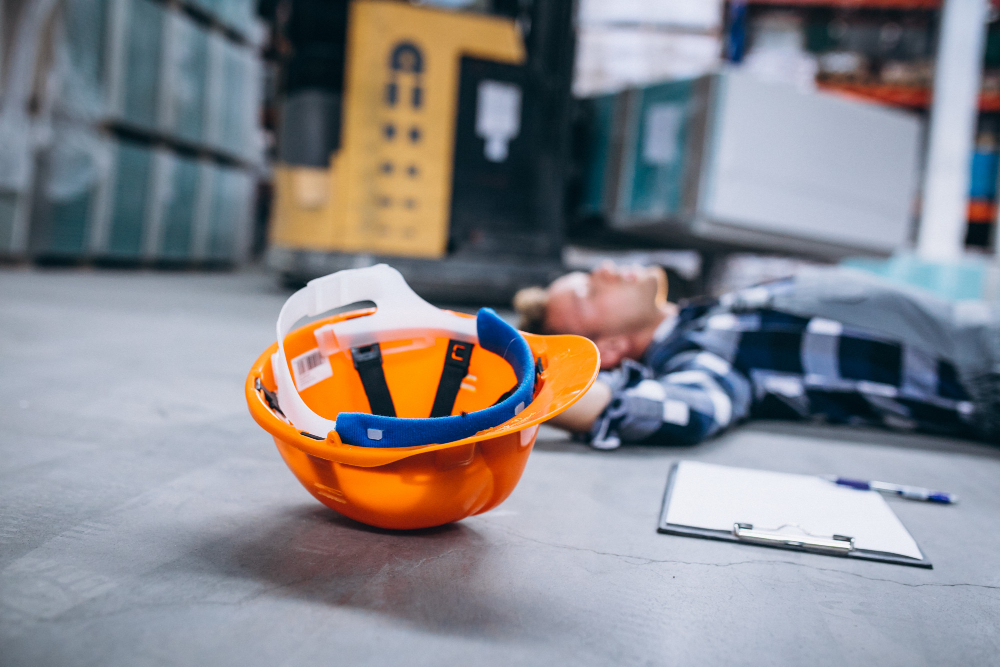
The average person will spend one-third of their life at work. With this in mind, not to mention the potentially hazardous nature of certain occupations (like construction, for example), it’s fairly easy to see why work injuries happen with such frequency.
According to the U.S. Bureau of Labor Statistics (BLS), there were approximately 2.65 million recorded work injuries in 2020. Of these, 1.17 million resulted in days away from work, with an average of 12 days missed. Sprains, strains, and tears were the most common type of occupational injury, with 266,530 recorded cases.
Some on-the-job injuries are so severe that they claim workers’ lives. In 2020, the BLS reported 4,764 fatal injuries across all industries and occupations. 469 of those fatalities occurred in Texas. In fact, Texas has had the highest number of occupational fatalities every year since 2009.
These injuries and losses are preventable. By taking a few key steps, employers in Texas and across the country can dramatically reduce the likelihood of occupational accidents and injuries.
1. Identify & Reduce Hazards
The first step in preventing work injuries is to identify hazards. These may be present at any workplace in any industry, from a warehouse to an administrative office, and may include:
- Hazardous chemicals
- Heavy machinery
- Motor vehicles
- Electrical hazards
- Repetitive motions
- Loud noises
- Working at heights
Once these hazards are identified, warn employees of their presence, and take steps to reduce the risks they present. This might include placing a prominent warning sign near a piece of heavy machinery, applying non-skid material to a walkway, or installing a railing on a stairway. Like Benjamin Franklin famously said, “An ounce of prevention is worth a pound of cure.”
2. Create Safe, Orderly Work Areas
When workplaces are cluttered and disorganized, this can interfere with production and increase the likelihood of an accident. Maintain orderly work areas by ensuring they are neat and tidy, encouraging employees to keep their spaces organized, and conducting routine inspections to make sure the layout of the workplace makes sense and that the area is debris-free. This principle applies to motor vehicles, machinery, or equipment used at the workplace as well. These should be inspected before and after each use and properly maintained according to manufacturer standards.
3. Teach Safe Lifting & Body Positioning
Body positioning and lifting techniques are two powerful tools that can be used to prevent serious work injuries. Whether an employee must lift heavy objects, sit at a computer most of the day, perform a repetitive motion, or work in an awkward position, there are ways to prevent muscle strain and neck or back injuries. Teach workers how to properly lift heavy objects and make sure they have access to equipment (that includes chairs or even ergonomic keyboards!) that allows them to position their bodies the right way while working.
American workers suffered 394,751 sprains, strains, tears, and back injuries in 2020. Proper lifting techniques and ergonomics should be primary concerns for all employers.
4. Utilize Personal Protective Equipment (PPE)
Personal protective equipment (PPE) will often be a worker’s first line of defense against occupational hazards. They can prevent workers from severe burns, eye injuries, foot injuries, falls from heights, extreme temperatures, wet weather, and so much more. The following are examples of PPE:
- Earplugs
- Hard hats
- Safety goggles
- Gloves
- Respirators
- Boots
- High-visibility clothing
- Personal flotation devices
- Coveralls
- Full body suits
The type of PPE a worker needs will depend on their job and the environment in which they are doing it. A welder on an offshore rig, for example, would need flame-resistant gloves and clothing, boots, and a face shield. A construction worker may need a hard hat, reflective vest, and steel-toed boots. A construction worker on scaffolding may also need appropriate fall protection.
5. Commit to Education, Training & Communication
The final piece of the puzzle in preventing work injuries involves education, training, and communication. PPE is of no use if a worker does not know when to wear it or how to put it on. Hazards may never be reduced if employees feel they will be penalized for reporting them. Each employer must, according to the General Duty Clause of the Occupational Safety and Health Act, “furnish to each of his employees employment and a place of employment which are free from recognized hazards that are causing or are likely to cause death or serious physical harm.”
Employers must educate and train employees on workplace safety, so they know what to do to avoid injury, how to respond to an emergency, and how to report an accident or hazard without fear of retaliation. Encouraging and even rewarding compliance with safety measures can make a significant and positive impact.
6. Implement a Prevention Program
Implementing a comprehensive injury prevention program will be the most effective way for an employer to reduce work injuries. This program would include all of the first five of the measures included above, as well as a commitment to thoroughly investigate all accidents, injuries, and near misses to see why they occurred and how they can be prevented in the future.
Then, and only then, can we create workplaces where safety truly comes first.
###
Arnold & Itkin is a leading work injury law firm that has been advocating for workplace safety since 2004. Headquartered in Houston, Texas, and with offices in Dallas and nationwide, the firm has represented workers and families after the worst accidents and injuries, helping them find answers and seek the treatment and support they need to rebuild. Arnold & Itkin’s Dallas personal injury lawyers can take on cases involving industrial accidents, construction accidents, trucking accidents, plant and refinery accidents, and all other work-related incidents in Texas and across the United States. The firm has recovered more than $10 billion for clients in life-changing settlements and verdicts and will continue to fight to set things right. No matter what.
Conclusion
Workplace safety should be a top priority for every employer, regardless of industry. By identifying hazards, providing proper training, supplying appropriate personal protective equipment, and implementing a comprehensive injury prevention program, businesses can reduce workplace accidents and protect their employees. These best practices are especially important for organizations planning a startup home care business, where caregivers regularly face physical, environmental, and health-related risks. Building a strong safety culture from the beginning not only helps ensure regulatory compliance but also improves employee well-being, enhances the quality of care, and supports long-term business success.
Find a Home-Based Business to Start-Up >>> Hundreds of Business Listings.