








































Choosing the right roofing system for a commercial building is a major decision that affects durability, energy efficiency, maintenance costs, and long‑term performance.
Commercial roofing materials and systems are engineered differently from residential roofs, and understanding the types of commercial roofing, their pros and cons, and how they perform in everyday conditions helps business owners protect their investment.
This guide covers the most common types of commercial roofing systems used today, what makes each unique, and how to decide which one suits your building best, along with insights on stylish and accurate commercial roofing services that can help with specification and installation.
What Makes Commercial Roofing Different?
Commercial roofs are typically:
- Flat or low‑slope rather than steep‑pitch
- Built to cover larger surface areas
- Designed for durability and ease of maintenance
- Tailored toward long service life with minimal disruption
Because commercial buildings often house offices, warehouses, retail spaces, or industrial facilities, choosing the right roofing system is critical for preventing leaks, handling heavy equipment, and reducing long‑term operational costs.
1. Thermoplastic Polyolefin (TPO) Roofing
Overview
TPO is one of the most widely used commercial roofing materials in 2026, known for its reflective surface and energy efficiency.
Pros:
- Excellent UV and heat reflectivity
- Cost‑effective compared to some other membrane systems
- Welded seams reduce leak potential
- Lightweight and flexible
Cons:
- Quality varies by manufacturer
- May shrink over time if not properly installed
TPO roofing is particularly popular in warmer climates due to its reflective qualities, helping reduce cooling costs in large buildings.
2. Ethylene Propylene Diene Monomer (EPDM) Roofing
Overview
EPDM is a rubber roofing membrane known for its durability and resistance to weathering. It’s particularly common on older commercial structures.
Pros:
- Excellent resistance to heat, ozone, and weather
- Long service life with proper maintenance
- Relatively affordable
- Easy to install or repair
Cons:
- Black surface absorbs heat unless coated
- Seams are glued, so the quality of adhesion matters
EPDM remains a strong choice for buildings in moderate climates or where ease of maintenance and patch repair are a priority.
3. Built‑Up Roofing (BUR) Systems
Overview
BUR consists of multiple layers of roofing felt alternated with bitumen (asphalt or tar). The top layer often includes gravel or mineral granules.
Pros:
- Proven, long‑lasting track record
- Excellent waterproofing
- Multiple layers mean redundancy
Cons:
- Heavier and more labor‑intensive installation
- More expensive initially
- Not as energy‑efficient unless topped with reflective coatings
BUR systems are traditional and durable, still widely used on low‑sloped commercial roofs where water ponding or heavy weather is a concern.
4. Modified Bitumen Roofing
Overview
Modified bitumen is an evolution of asphalt roofing, enhanced with modifiers that improve elasticity and durability. It’s typically installed in rolls using heat or adhesives.
Pros:
- Durable and flexible, coping well with temperature swings
- Great resistance to impact and foot traffic
- Can be installed in multiple layers for added protection
Cons:
- Installation requires skilled technicians
- Higher cost than some membrane systems
Modified bitumen systems are common for buildings that experience intense weather, heavy usage, or where long‑term performance is a priority.
5. Metal Roofing Systems
Overview
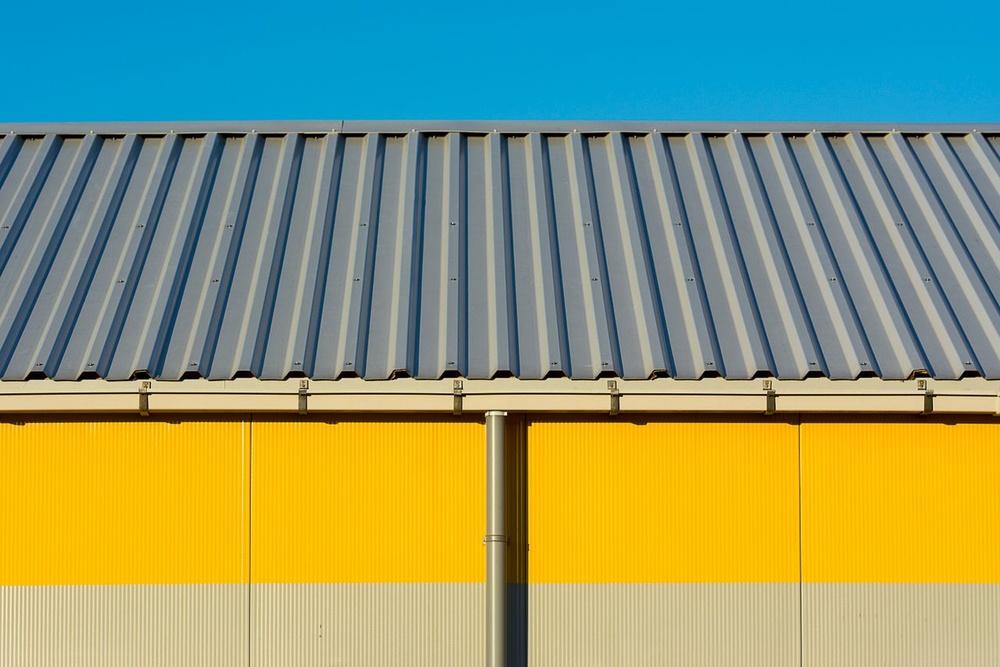
Metal commercial roofing — including steel, aluminum, and standing seam panels — provides exceptional durability and performance.
Pros:
- Extremely long lifespan (40–70+ years)
- Fire-resistant and recyclable
- Excellent wind and hail performance
- Low maintenance
Cons:
- Higher upfront cost
- Specialized installation required
- Can be noisy during rain or hail without proper insulation
Metal is ideal for commercial buildings that need a long‑lasting, rugged roof and where architectural appearance is a priority.
Choosing the Right System for Your Building
When selecting a type of commercial roofing system, consider:
Building Use and Access
Warehouses, office buildings, schools, and retail centers all have different demands. A high‑traffic roof might benefit from tough systems like metal or modified bitumen, while office buildings may prioritize energy efficiency.
Climate and Weather
Harsh winter freeze/thaw cycles, heavy rain, or intense summer sun influence material choice. For example, high reflectivity in TPO helps reduce cooling loads in hot climates, while modified bitumen or BUR might handle heavy snow better.
Maintenance & Lifespan
Simple maintenance can extend a roof’s service life. Rubber membranes like EPDM are easy to patch, while metal roofs generally require less frequent maintenance overall.
Cost & Budget
Material and installation costs differ widely. Fiberglass coatings and energy‑efficient membranes may cost more upfront but deliver savings in energy bills and long‑term durability.
Why Professional Roofing Matters
Installing a commercial roof is not a DIY project. Precision matters for weatherproofing, insulation, drainage, and warranty compliance. Expert roofing professionals ensure correct material selection, slope design, drainage planning, and long‑term performance — whether you’re planning a new roof or upgrading an existing one.
Partnering with specialists who understand local conditions and design expectations can help protect your building while delivering a sleek and functional finish. From energy‑efficient membranes to robust metal systems, getting the right installation is key.
Conclusion
Commercial roofing systems vary widely in materials, installation techniques, and performance characteristics. The most common types in 2026 include:
- TPO membrane roofing — energy efficient and affordable
- EPDM rubber roofing — durable and repairable
- Built‑Up Roofing (BUR) — multi‑layer waterproofing
- Modified Bitumen — flexible and impact‑resistant
- Metal roofing — long‑lasting and robust
Each system suits different building types, climates, and budgets. Understanding the pros and cons of these options helps business owners make informed choices that protect assets, improve performance, and deliver peace of mind.
Find a Home-Based Business to Start-Up >>> Hundreds of Business Listings.