











































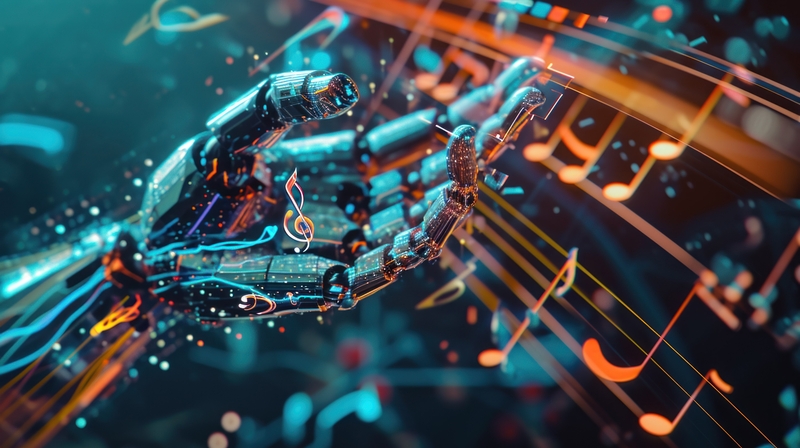
Digital content has never moved faster. Creators are publishing videos, podcasts, ads, and social posts daily — sometimes hourly. In this environment, music must keep pace. That demand has made modern music generation technology a practical necessity rather than a novelty.
Music supports emotion, pacing, and memory. Without it, content feels incomplete.
The Limits of Traditional Music Sources
Stock libraries were once the go-to solution for creators. While convenient, they come with limitations. Tracks are reused, recognisable, and difficult to customise. Over time, this leads to content that feels generic.
With artificial intelligence for music production, creators can generate sound that fits specific moments rather than forcing content to fit pre-made tracks. This flexibility is one of the biggest drivers of adoption.
Speed Is No Longer Optional
In fast-moving industries, speed equals relevance. Waiting days for music approval or revisions can derail campaigns. By using AI-generated music platforms, teams can produce and adjust audio instantly.
This allows creators to:
- Respond quickly to trends
- Launch campaigns faster
- Test variations without delays
Music becomes part of the agile workflow rather than a bottleneck.
Consistency Without Repetition
Brands often struggle with audio consistency. They want a recognisable sound without repeating the same track everywhere. AI-driven music tools solve this by generating variations that share a similar tone and structure.
This approach creates cohesion while avoiding fatigue.
Human Creativity Still Leads
Despite concerns, AI doesn’t eliminate the need for creative judgement. Most professionals use music creation with artificial intelligence as a starting point. They edit, layer, or refine tracks to suit final production needs.
This hybrid workflow blends efficiency with taste — something automation alone can’t replicate.
Music as a Living Element
One emerging trend is adaptive audio. Using automated music creation software, sound can change based on user behaviour, scene length, or engagement levels. Music becomes responsive rather than static.
This opens new possibilities for games, interactive media, and personalised content experiences.
Ethical and Practical Considerations
As adoption grows, creators must pay attention to licensing and originality. Responsible use of modern music generation technology involves understanding how tools generate content and how output can be used.
Transparency and intention matter more than the tool itself.
Looking Ahead
AI will continue to evolve, but its role is becoming clearer. It’s not here to replace creativity — it’s here to remove friction. As tools improve, music will become more accessible, adaptable, and integrated into everyday content creation.
For modern creators, artificial intelligence for music production isn’t the future. It’s already part of the present.
Find a Home-Based Business to Start-Up >>> Hundreds of Business Listings.


