











































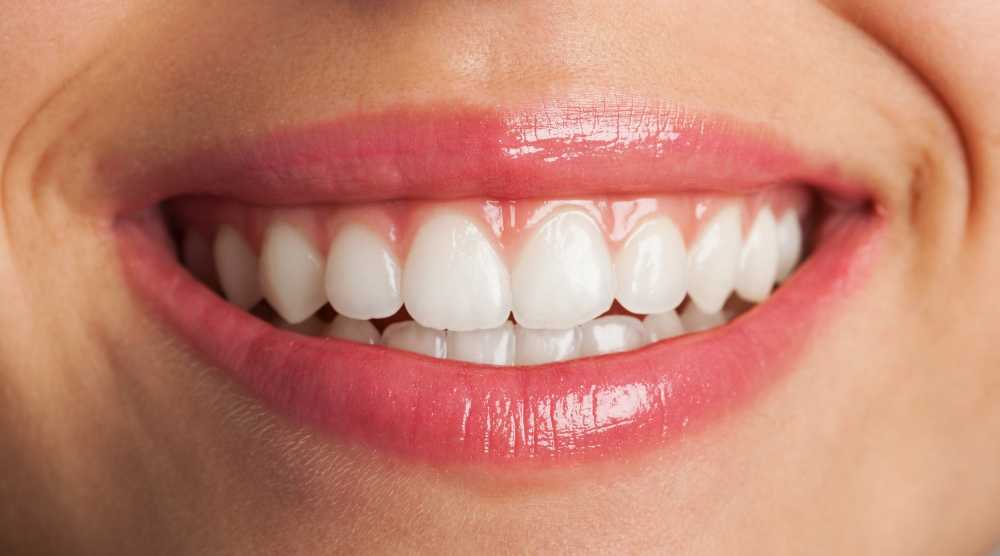
Gone are the days when metal braces were the only way to straighten your teeth. Today, orthodontics has evolved, bringing in new teeth straightening options that give brilliant results. We have ceramic braces, lingual braces, in-clinic teeth aligners, and even at-home clear aligners, each offering a unique set of benefits.
However, this plethora of options can be a bit confusing. Most people are unable to figure out which teeth straightening option is right for them. So, if you’re struggling to make that choice, this piece explores all options in detail to help you out.
How to Choose the Right Teeth Straightening Option
Before diving into the types of teeth straightening, it helps to pause and consider what really matters to you. The right choice usually becomes obvious when you look at a few practical factors first.
- Complexity of your case: The severity of crowding, spacing, or bite issues determines the level of involvement your treatment needs.
- Visibility and aesthetics: This refers to how noticeable the treatment will be during daily interactions.
- Lifestyle and discipline: Your routine and consistency affect how well you can follow treatment requirements.
- Comfort and adjustments: This factor relates to how the treatment feels in your mouth and how often soreness may occur.
- Treatment duration: The amount of tooth movement needed influences how long the correction will take.
- Budget considerations: Overall costs vary based on treatment design, supervision level, and customization.
When these factors are weighed together, the right teeth correction option for your specific case becomes clear. Now let’s explore each type more closely.
What Are the Different Teeth Straightening Options?
These are the main teeth straightening options in practice.
At-Home Clear Aligners
At-home aligners have reshaped how people correct teeth alignment. Impressions or scans are taken, a digital plan is created, and custom aligners are shipped to you. They’re worn most of the day (around 22 hours per day) and swapped every few weeks.
Lifestyle disruption stays minimal, making them appealing for people who want to straighten their teeth without frequent clinic visits. When it comes to cost, it is one of the most affordable options, priced between $750 and $1300. They are best for mild to moderate cases.
Here’s a quick look at how at-home aligners compare in practical use:
| Pros | Cons |
| Nearly invisible trays | Requires strict wear discipline |
| Removable for eating and brushing | Limited for complex cases |
| Comfortable, smooth material | No in-person adjustments |
| Affordable compared to clinic care | Progress depends on compliance |
Traditional Metal Braces
Metal braces are the classic orthodontic system. Brackets are bonded to teeth and connected with an archwire that gradually guides movement. Adjustments are made periodically in the clinic.
They remain one of the most versatile teeth correction options and are still widely used for moderate to severe alignment and bite issues. On average, traditional braces cost around $3000 to $7000.
Here’s how traditional braces balance strengths and trade-offs:
| Pros | Cons |
| Highly effective for complex cases | Most visible option |
| Precise, controlled tooth movement | Comes with food restrictions |
| Fixed, compliance-free treatment | Harder to clean |
| Proven long-term results | Wires & brackets cause discomfort |
In-Clinic Clear Aligners
In-clinic aligners combine the discreet appearance of trays with professional orthodontic oversight. Digital scans are taken chairside. Treatment is planned and monitored by a dentist or orthodontist. Refinements are made when needed.
This option is often chosen by adults who want minimal visibility but still need clinical supervision for controlled tooth movement. Patients considering this option can consult a Dentist in Maitland, FL to determine whether supervised aligner treatment suits their alignment needs. But the trade-off here is cost. Clinical supervision increases fees; thus, in-clinic aligners cost around $3000 to $8000. You still remove trays to eat and brush, so daily life remains relatively comfortable and flexible.
Here’s a concise comparison of benefits and limitations:
| Pros | Cons |
| Discreet appearance | Higher cost, sometimes even more than braces |
| Professional monitoring | Requires appointments |
| Can handle moderate to complex cases | Still needs wear discipline |
| Adjustable during treatment | Elastic attachments can make removability difficult |
Lingual Braces
Lingual braces are attached to the inner surfaces of teeth, facing the tongue. From the outside, they’re almost invisible. Functionally, they work like traditional braces, applying continuous force through wires and brackets.
They’re often chosen by people who want fixed orthodontics without visible brackets. Treatment costs are usually higher because customization is extensive, around $8000 to $13,000. Still, for those prioritizing invisibility above all, lingual braces can be remarkably effective.
Here’s how lingual braces compare in everyday experience:
| Pros | Cons |
| Totally discreet, hidden from view | Can cause tongue irritation |
| Effective for complex cases | Require a speech adjustment period |
| Fixed and always working | Difficult cleaning and requires some eating adjustments |
| Customized placement | Highest cost range |
Ceramic Braces
Ceramic braces use tooth-colored or translucent brackets instead of metal. They blend more naturally with enamel while functioning similarly to traditional braces.
They’re commonly chosen by teens and adults who want fixed treatment with reduced visibility. For moderate to complex cases where aligners aren’t ideal, ceramic braces provide a balanced compromise between effectiveness and aesthetics. You usually get them for $4000 to $8000.
Here’s a simple pros-and-cons comparison:
| Pros | Cons |
| Less noticeable than metal | Still visible up close |
| Effective for complex movement | Brackets can stain |
| Fixed, consistent treatment | More delicate than metal |
| Aesthetic-functional balance | Slightly higher cost |
With the options discussed, it is time to explore which one fits best in different scenarios.
So, Which Teeth Straightening Option Is Right for You?
If your main goal is subtle improvement with minimal lifestyle change, at-home invisible teeth aligners are the best choice. But, if your teeth alignment involves serious bite correction, rotation, or significant crowding, braces or in-clinic aligners are usually more appropriate.
Now, if discretion matters but you prefer fixed treatment, lingual braces or ceramic braces offer strong alternatives. For predictable control that’s needed for challenging movement, traditional braces remain the most universally applicable systems.
Overall, the right choice rarely depends on a single factor. Aesthetic preference, budget, discipline, and clinical needs intersect. That intersection is where the ideal treatment sits.
Wrap Up
Choosing among teeth straightening options can feel overwhelming at first. Yet when you break it down by lifestyle, complexity, and goals, you start getting a clearer picture. Modern orthodontics offers more paths than ever to correct teeth alignment. From removable aligners to fully hidden braces, solutions exist for nearly every smile.
Consider the factors we discussed, do your own research, and consult professionals if necessary. With that, you’ll be better equipped to make the right decision for your smile.
FAQs
What Are the Different Options for Straightening Teeth?
Teeth straightening options include at-home clear aligners, in-clinic aligners, traditional metal braces, ceramic braces, lingual braces, and self-ligating braces.
Which Teeth Straightening Option Is Best for Me?
The best option depends on your alignment complexity, lifestyle, aesthetic preference, and budget.
How Do I Choose the Right Orthodontic Treatment?
You choose the right orthodontic treatment by considering case severity, comfort, visibility, treatment time, and professional guidance.
Which Teeth Straightening Option Is Most Comfortable?
Clear aligners are generally considered the most comfortable because they’re smooth, removable, and apply gradual pressure.
What Is the Most Effective Way to Straighten Teeth?
The most effective treatment depends on your case complexity and how consistently you follow it. For mild to moderate cases, clear aligners often work well, while braces or clinically supervised aligners are usually recommended for more complex cases.
Find a Home-Based Business to Start-Up >>> Hundreds of Business Listings.


