






































A well-planned yard begins with how people live outside. A landscape designer listens for outdoor ideas, daily patterns, comfort needs, privacy concerns, and seasonal habits before drawing lines on paper. That early care prevents costly guesses later. Each choice, from grading to plant placement, must support safety, drainage, movement, and maintenance. The result is an outdoor area that feels natural beside the home and useful through changing weather.
First Talk
The first conversation should feel practical, not rushed. A designer asks about children, pets, shade, gatherings, cooking, storage, lighting, and quiet areas. Many homeowners consult landscape designers in St. Louis as they weigh local clay soil, drainage patterns, native plant options, patio placement, and upkeep expectations before committing to a firm design direction.
Site Review
A careful site visit reveals what a sketch cannot show. Sun exposure, slope, soil compaction, root spread, wind, and runoff all affect the plan. Door locations, window views, fencing, and utilities add more limits. These findings help the designer place each feature where it can perform well and age predictably.
Clear Priorities
Strong plans depend on ranked needs. One household may need safer steps, another may need screening from nearby homes. Budget, maintenance tolerance, and daily routines shape the order. A designer helps sort essential work from optional additions. That discipline keeps spending focused and prevents a crowded yard with features competing for attention.
Concept Plans
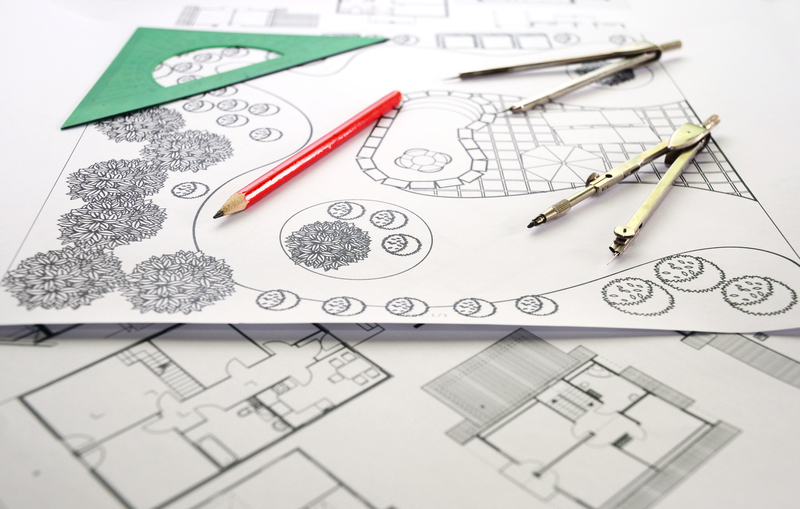
Early drawings test how outdoor rooms relate to one another. Paths, patios, planting areas, steps, fire features, and seating zones need clear circulation. Scale matters here. A terrace that looks generous on paper may feel tight beside a doorway. Concept plans allow changes before materials, labor, and permits create added expense.
Material Choices
Materials influence heat, traction, drainage, repair needs, and visual weight. Brick, stone, gravel, concrete, wood, metal, and pavers each behave differently under rain, frost, and foot traffic. A designer compares those traits against the home’s architecture. The right choices feel appropriate, handle local weather, and reduce avoidable maintenance over time.
Plant Planning
Plant choices should be based on mature size, root behavior, light exposure, water demand, and seasonal character. A well-planned yard begins with how people live outside. A designer listens for daily patterns, comfort needs, privacy concerns, and seasonal habits before drawing lines on paper. A thoughtful mix can provide shade, privacy, pollinator value, and color without crowding. Trees, shrubs, grasses, and perennials need room to establish. Proper spacing lowers replacement costs and keeps beds healthier for years.
Budget Control
A clear budget is a design tool, not a restriction. It helps the designer match ideas with realistic labor, material, and plant costs. Phasing may place drainage, grading, and hard surfaces first, then add planting later. This approach protects core function while giving homeowners a sensible path for future improvements.
Contractor Coordination
A good plan must be buildable. Contractors need accurate dimensions, elevations, material notes, drainage details, and planting instructions. When those documents are clear, field questions drop. The designer may review progress during construction and respond to any hidden conditions that arise. That coordination helps the finished work stay aligned with the approved plan.
Problem Solving
Existing yards often hold surprises. Buried lines, poor soil structure, standing water, shallow roots, or unstable grades can change the best option. A skilled designer adjusts without losing the larger purpose. Practical problem-solving protects circulation, plant health, surface stability, and everyday comfort while keeping the project grounded in site conditions.
Long-Term Care
A finished yard should come with maintenance guidance. Watering schedules, pruning timing, mulch depth, soil care, and replacement planning all matter after installation. Designers can also choose lower-care plants and durable surfaces from the beginning. A well-planned yard begins with how people live outside. A designer listens for daily patterns, comfort needs, privacy concerns, and seasonal habits before drawing lines on paper. With that foresight, the space matures gracefully instead of looking finished only during the first season.
Conclusion
A landscape designer turns outdoor ideas into a clear, workable plan through listening, site study, technical judgment, and steady coordination. Each stage connects personal goals with real conditions, from drainage and circulation to materials and plant health. Homeowners gain fewer surprises, better choices, and a yard that supports daily life. With careful planning, the outdoor space becomes a comfortable extension of the home.
Find a Home-Based Business to Start-Up >>> Hundreds of Business Listings.