







































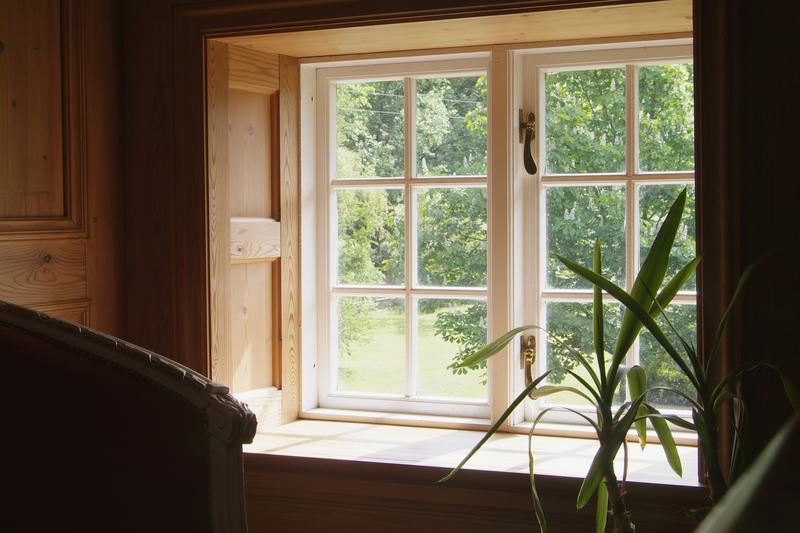
Wood windows still hold a strong place in residential building because they blend appearance, performance, and flexibility. Homeowners often want materials that age with grace, while builders need products that fit varied plans and budgets. Wood answers both needs. Its natural texture adds warmth, its frame strength supports a variety of shapes, and modern glazing helps meet current comfort goals without sacrificing traditional character.
Natural Appeal
Many buyers still value materials that feel genuine rather than manufactured. Real grain, subtle color shifts, and stain options give wood a depth that synthetic frames rarely match. In living rooms, kitchens, and street-facing spaces, that visual richness can support both classic and current interiors. Builders also favor finishes that connect cleanly with trim, flooring, and cabinetry without compromising style.
Design Range
Architects and contractors often need window packages that suit custom dimensions, divided lites, or large openings. In those cases, wood windows often come up because they offer broad sizing, many profile options, and stain-ready interiors that accommodate detailed plans. That range helps projects stay cohesive, whether the home leans traditional, transitional, or modern, and it gives clients more control over the final look.
Energy Performance
Current wood window systems perform far better than many people expect. Wood acts as a natural insulator, which helps limit heat transfer through the frame. When paired with double- or triple-pane glass, low-emissivity coatings, and tight seals, these units can reduce drafts and indoor temperature swings. That matters in both hot summers and cold winters, where comfort and utility costs often shape buying decisions.
Durability Today
Older concerns about swelling or maintenance still appear in some conversations, yet current products address many of those issues. Aluminum-clad exteriors protect exposed surfaces from sun, rain, and wind. That outer layer reduces maintenance while keeping the interior wood visible. For many households, this combination offers the warmth of timber inside and the practical toughness needed for long service life outside.
Custom Interiors
Interior coordination is another reason wood stays relevant. Painted trim, stained shelving, and crafted millwork can all align more easily with real wood frames. That continuity supports a finished, intentional feel across the home. Builders working on custom properties often prefer materials that adapt to the design rather than forcing every room to fit a fixed factory appearance. Wood allows that flexibility without looking generic.
Large Openings
Many modern homes include wider views and more daylight. Strong frame construction helps wood support bigger configurations, including picture units, casements, and grouped combinations. That structural advantage can be useful in living areas where glass becomes a focal point. Designers also appreciate the ability to create specialty shapes for gables, stairwells, or entry spaces, where standard stock dimensions may fall short.
Long-Term Value
Cost discussions should include lifespan, repairability, and visual impact, not purchase price alone. You can refinish, repair, or update wood windows in ways that extend use over time. That can protect value in custom homes and older properties. Buyers also tend to recognize real wood as a premium feature, which may support resale appeal when the house enters a competitive market.
Good Fit for Renovation
Historic updates call for materials that respect original proportions and detailing. Wood remains a practical match because muntin patterns, profiles, and sightlines can align more closely with older architecture. That matters in neighborhoods where exterior consistency supports curb appeal. Builders handling additions also benefit from a product that can bridge old and new sections without making the transition look abrupt or mismatched.
Builder Confidence
Contractors usually prefer products that give fewer surprises during planning and installation. Wood window lines often provide broad configuration choices, coordinated door pairings, and finish options that simplify design decisions. Reliable sizing across a project can also reduce field adjustments. When a material supports appearance, performance, and specification needs at once, it tends to remain a favored option on demanding residential jobs.
Conclusion
Wood windows remain a top choice for homeowners and builders because they address several needs at once. They offer warmth, broad design freedom, solid insulation, and compatibility with both new construction and renovation work. Modern cladding and glass technology continue to improve their practicality. For homeowners seeking lasting character, and for builders balancing function with appearance, wood continues to stand as a dependable and relevant window material.
Find a Home-Based Business to Start-Up >>> Hundreds of Business Listings.