







































Are Birkenstock Slippers Worth It?
Yes — Birkenstock slippers and sandals consistently earn recommendations from podiatrists and physical therapists for their anatomically contoured cork-latex footbeds, which promote proper arch support, toe grip, and natural gait. Founded in Germany in 1774 and producing its first sandal in 1963, Birkenstock has over 250 years of footwear heritage. In 2026, the brand’s lineup includes indoor slippers (Zermatt, Franca), classic sandals (Arizona, Madrid, Gizeh), and waterproof EVA versions — more options than ever at a wider range of price points.
Key Takeaways
- Birkenstock’s cork-latex footbed is the brand’s core technology — designed to promote alignment, comfort, and natural motion for plantar health.
- Foot specialists frequently recommend Birkenstock footwear for plantar fasciitis, arch pain, and general podiatric support.
- The Arizona (two-strap) and Madrid (single-strap) are the most popular styles for 2026, available in leather, suede, and EVA versions.
- The Zermatt is Birkenstock’s signature indoor slipper — a clog-style design in wool felt or suede, ideal for at-home use.
- EVA (waterproof) versions now represent a significant expansion of the lineup and are particularly popular for travel and beach use.
- Birkenstock sizing runs narrow — most buyers should size down by one half-size and choose “regular” or “narrow” footbed based on foot width.
- In 2026, new colors (extensive pink lineup), textures, and metallic finishes have expanded the aesthetic appeal beyond the classic earthy palette.
The Birkenstock Footbed: Why It Works
The signature Birkenstock footbed is what separates the brand from every other sandal or slipper at its price point. It is a multi-layer construction:
Cork-latex base —
The core material moulds to the wearer’s foot shape over time, creating a personalized fit that improves with wear.
Suede lining —
soft, moisture-absorbing inner surface that prevents slipping and draws sweat away from the skin.
Heel cup —
the deep, contoured heel cup aligns the foot correctly and distributes weight evenly across the heel, eliminating the pressure concentration that causes heel pain in flat footwear.
Raised toe bar —
encourages natural toe grip and strengthens the small muscles of the foot with each step.
Arch support —
The contoured arch matches the foot’s natural curve, reducing the collapse that leads to plantar fasciitis, overpronation, and associated knee and back discomfort.
This construction is why foot specialists frequently recommend Birkenstock footwear to those seeking relief from plantar fasciitis and arch pain.
Best Birkenstock Styles for 2026
Birkenstock Arizona — Best Overall Sandal
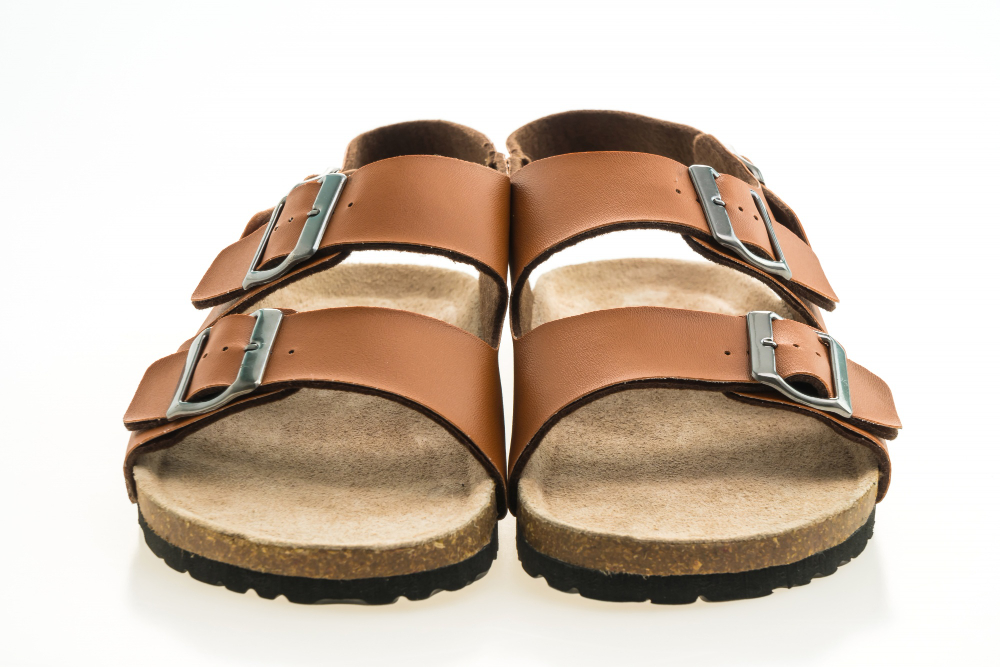
The two-strap Arizona is the most iconic Birkenstock style and the top seller globally. Two adjustable buckle straps allow a precise fit across a wide range of foot widths. Available in leather, suede, nubuck, EVA, and in 2026’s expanded palette, including blush pink, coral, and metallic finishes. The Arizona works across every outfit category — denim, dresses, linen trousers — and travels exceptionally well.
Best for: All-day wear, travel, casual and smart-casual outfits.
Birkenstock Madrid — Best Single-Strap
The Madrid is a single-strap design with clean, minimal lines. It offers faster on-and-off than the Arizona and a sleeker profile. Madrid is the most frequently styled with fashion-forward looks, including summer dresses and tailored shorts. Available in leather and suede.
Best for: Fashion-forward styling, quick on-and-off convenience.
Birkenstock Zermatt — Best Indoor Slipper
The Zermatt is a clog-style slipper made from wool felt or suede, with the signature cork footbed and a durable rubber outsole suitable for light outdoor use. It is the brand’s most popular dedicated slipper for home use. The wool felt version provides excellent warmth; the suede version works year-round.
Best for: Home use, cold-weather indoor comfort, travel to accommodate hotel floors.
Birkenstock Gizeh — Best Thong Sandal
The Gizeh is a thong-style sandal (toe post) with the full Birkenstock footbed. Its more streamlined profile pairs naturally with beach and resort wear. Available in leather, suede, and EVA.
Best for: Beach, pool, vacation wear, resort outfits.
Birkenstock EVA — Best for Water and Travel
The EVA (ethylene vinyl acetate) versions are fully waterproof, lightweight, and extremely packable. They can be rinsed under a tap, worn in and out of water, and take up minimal luggage space. In 2026, the EVA lineup expanded across the Arizona, Madrid, and Boston styles.
Best for: Travel, beach, water sports, situations where leather versions aren’t practical.
Birkenstock Sizing Guide
Birkenstock runs narrow and small. Most buyers should:
- Size down one half-size from their usual shoe size
- Choose regular width if you have average feet; narrow width for slimmer feet
- Allow 3–5mm of space beyond your longest toe at the front of the footbed
- Ensure the widest part of your foot aligns with the widest part of the footbed — not hanging over the edges
Birkenstock uses European sizing, but US sizes are available on the brand’s website with conversion charts.
Expert Tip
New Birkenstocks feel stiff and slightly uncomfortable for the first 2–3 days of wear as the cork-latex footbed molds to the shape of your foot. This break-in period is normal and expected — it is the personalization process that makes Birkenstock footwear so effective long-term. Wear them for 1–2 hours per day during the first week and gradually increase wear time. After 5–7 days, the footbed will have adjusted to your foot’s unique contours.
FAQ
Are Birkenstock slippers good for plantar fasciitis?
Yes. Birkenstock’s cork-latex footbed with deep heel cup, arch support, and raised toe bar is frequently recommended by podiatrists and physical therapists for plantar fasciitis. The footbed’s contouring helps distribute weight properly and reduces the arch collapse associated with plantar fascia strain.
How should Birkenstock slippers fit?
There should be approximately 3–5mm of space beyond your longest toe at the front of the footbed. Your foot should not hang over the sides. Most buyers size down one half-size from their usual shoe size.
What is the difference between Birkenstock regular and narrow?
The “regular” width is standard for most feet. “Narrow” has a slimmer footbed and is designed for feet that are proportionally thinner. If you’re between widths, regular is the safer choice.
Do Birkenstock sandals run true to size?
Generally no — they run slightly large, and most buyers size down one half-size. Always check the brand’s size guide and measure your foot length in centimeters for the most accurate sizing.
How long do Birkenstock sandals last?
With proper care, a quality leather Birkenstock sandal lasts 5–10 years or more. The cork footbed can be replaced by Birkenstock’s repair service when it wears down. The brand designed its sandals to be repaired, not replaced.
Find a Home-Based Business to Start-Up >>> Hundreds of Business Listings.