





































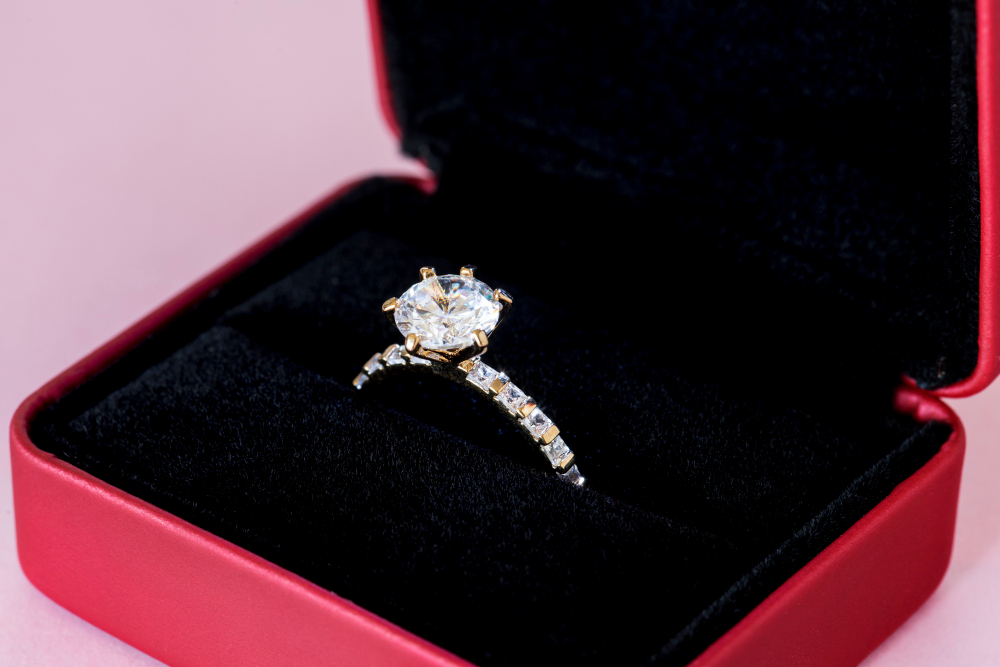
How Much Is a 3 Carat Diamond Ring?
A natural 3-carat diamond engagement ring costs between $20,000 and $200,000+, depending on cut, color, clarity, and shape. A lab-grown 3 carat diamond ring starts at approximately $2,000–$4,500 — making the same size stone accessible at a fraction of the price. A good-quality natural 3 carat diamond (G–H color, VS2–SI1 clarity) typically runs $25,000–$50,000 depending on shape. The round brilliant is the most expensive cut; elongated shapes (oval, pear, marquise) offer more visual size for less money.
Key Takeaways
- Natural 3 carat diamond rings: $20,000–$200,000+ depending on 4Cs. Good quality (G/H color, VS2/SI1) runs $25,000–$50,000.
- Lab-grown 3 carat diamond rings: $2,000–$4,500 for the same size and visual quality — up to 90% less than natural.
- 3 carat is a major psychological price milestone — stones weighing exactly 3.00ct often command a premium over those just under.
- A round brilliant at 3 carats measures approximately 9.3mm in diameter.
- Cut is the single most important quality factor — a well-cut diamond appears larger, more brilliant, and more valuable than a poorly cut stone of the same weight.
- D/VVS combinations can exceed $150,000; budget-friendly but still high-quality options exist in the G–H/VS2–SI1 range.
- In 2026, lab-grown diamonds continue to gain market share as buyers prioritize size, sustainability, and value.
What Makes a 3 Carat Diamond Different?
A 3 carat diamond is not simply a bigger version of a 1 carat stone — it represents a genuine jump in rarity, demand, and exponential pricing. Natural diamonds of this size are genuinely rare: finding a 3 carat stone with excellent cut, color, and clarity requires sourcing from a limited pool of available rough.
The typical engagement ring in the United States is 1 carat. A 3 carat stone places you firmly in luxury territory — a statement of both intent and investment. And unlike many luxury purchases, a high-quality natural diamond at this size has historically demonstrated strong resale value relative to most consumer goods.
One carat equals 200 milligrams, so a 3 carat diamond weighs 600 milligrams. How large it appears on the hand depends significantly on shape — an oval or pear cut 3 carat diamond will look visually larger than a round 3 carat because of its elongated surface area.
Natural vs. Lab-Grown: The 3 Carat Decision in 2026
This is the central decision most 3 carat ring buyers face in 2026. Lab-grown diamonds are chemically and optically identical to natural diamonds — same hardness (10 on the Mohs scale), same refractive index, same fire and brilliance. The difference is origin and price.
| Factor | Natural Diamond | Lab-Grown Diamond |
|---|---|---|
| Price (3 carat, good quality) | $25,000–$50,000 | $2,000–$4,500 |
| Resale value | Moderate-strong | Currently depreciating rapidly |
| Certification | GIA, AGS | IGI, GIA (growing) |
| Rarity | Genuine geological rarity | Manufactured at scale |
| Environmental impact | Mining-related | Manufacturing-related (energy use) |
| Visual difference | None to the naked eye | None to the naked eye |
The 4Cs Applied to 3 Carat Diamonds
Cut: The Most Important Factor
Cut is the single most critical quality factor at 3 carats. A well-cut stone maximizes brilliance and often appears larger and more vibrant than a poorly cut stone of greater weight. For round brilliants, look for GIA Excellent or Ideal cut grades. For fancy shapes, prioritize symmetry and proportions.
Color: G–H Is the Sweet Spot
Diamond color is graded D (colorless) to Z (light yellow). At 3 carats, color is more visible than in smaller stones because there’s more surface area to reveal warmth. D–F (colorless) commands a significant premium. G–H offers an excellent balance — near-colorless with the unaided eye — at a meaningful price reduction. H–I can show slight warmth in certain settings but remains attractive.
Clarity: VS2–SI1 Is the Budget-Smart Choice
Clarity grades range from FL (flawless) to I3 (included). At 3 carats, a VS2 or SI1 stone is typically eye-clean — no inclusions visible to the naked eye — while costing substantially less than VVS or FL grades. Have a gemologist evaluate SI1 stones specifically, as some have inclusions that are visible without magnification.
Carat: The Psychological Milestone Effect
Stones weighing exactly 3.00ct often command a premium over those weighing 2.90ct or 2.95ct — despite negligible visual difference. Buying a 2.90–2.95ct stone of superior cut, color, and clarity can represent better value than a 3.00ct stone of lesser quality.
Best Diamond Shapes for 3 Carat Rings
| Shape | Approximate Size | Price vs. Round | Best For |
|---|---|---|---|
| Round Brilliant | 9.3mm diameter | Highest | Maximum brilliance, classic look |
| Oval | Appears larger due to elongation | 15–20% less | Elegant, finger-lengthening effect |
| Pear | Visual size advantage | 15–20% less | Unique, elongated appearance |
| Cushion | Soft, pillow shape | 10–15% less | Vintage-inspired settings |
| Emerald | Long, lean “step cut” | 10–20% less | Art deco, understated elegance |
| Marquise | Most visually elongated | 15–25% less | Maximum perceived size |
Expert Tip
Before purchasing a 3 Carat Diamond Engagement Ring, always insist on an independent GIA or IGI certification — no exceptions. At this price level, verbal assurances of quality simply are not enough. A GIA certificate verifies the diamond’s cut, color, clarity, and carat weight according to the industry’s most rigorous grading standards, making it one of the most important documents protecting your investment. Reputable online retailers such as Blue Nile and James Allen offer GIA-certified diamonds along with high-resolution videos and 360° imagery, allowing buyers to carefully evaluate every detail before choosing the perfect 3 Carat Diamond Engagement Ring.
Common Mistakes When Buying a 3 Carat Diamond Ring
Prioritizing carat weight over cut quality. A 3 carat diamond with a poor cut grade will appear lifeless. A well-cut 2.85 carat stone may be visually superior and more valuable despite the smaller weight.
Buying without certification. No certification means no independent verification of the stated qualities.
Ignoring the setting’s impact on visual size. A halo setting, pave band, or three-stone design can make a 3 carat center stone appear dramatically larger than a plain solitaire.
FAQ
How much does a 3-carat diamond ring cost?
A natural 3-carat diamond ring ranges from $20,000 to $200,000+. A good-quality natural stone (G–H color, VS2–SI1 clarity) typically costs $25,000–$50,000 depending on shape. A lab-grown 3-carat diamond ring starts at $2,000–$4,500.
How big is a 3 carat diamond on a finger?
A 3 carat round brilliant diamond measures approximately 9.3mm in diameter. Elongated shapes like oval and pear appear visually larger due to their extended surface area, despite the same carat weight.
Is a lab-grown 3 carat diamond worth buying?
Yes, for buyers who prioritize size, sustainability, or budget. Lab-grown diamonds are chemically identical to natural diamonds and indistinguishable to the naked eye. However, lab-grown diamonds are currently depreciating rapidly in resale value, while natural diamonds maintain stronger long-term value.
What is the best cut for a 3 carat diamond?
Round brilliant is the most brilliant cut and the standard for maximizing light return. For buyers seeking more visual size per dollar, oval, pear, and marquise cuts offer elongated profiles that appear larger than a round of the same weight.
What GIA grade should a 3 carat diamond have?
For the best value, look for G–H color and VS2–SI1 clarity with an Excellent or Very Good cut grade. This combination gives you a visually stunning, eye-clean diamond at a meaningful discount versus D/VVS grades, which command extreme premiums.
Find a Home-Based Business to Start-Up >>> Hundreds of Business Listings.