









































Image Credentials: Tomasz Zajda, 409870982
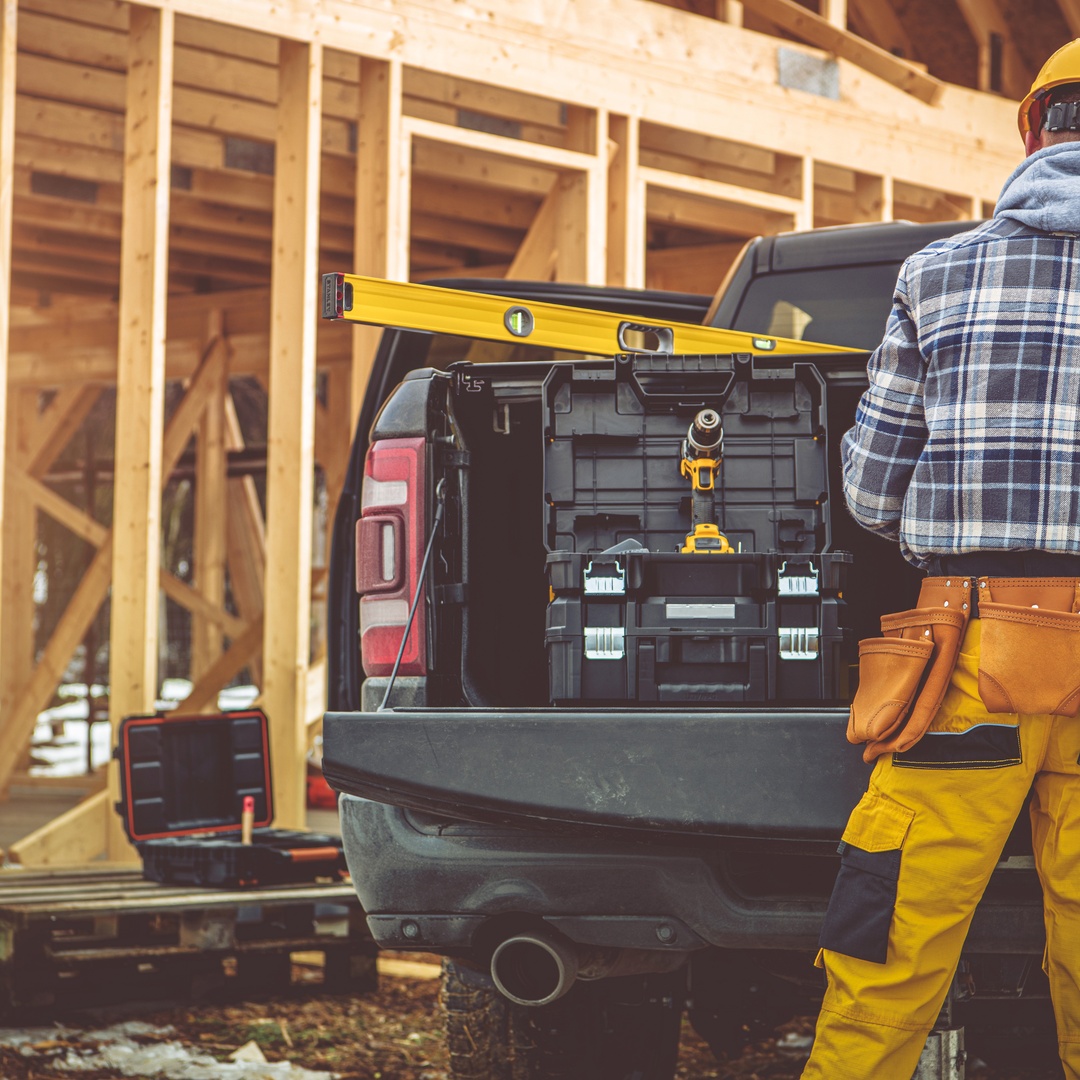
A construction manager depends on a reliable truck to meet daily demands across sites and teams. This vehicle supports transport, storage, and coordination, and it reflects professional standards through its condition and performance. Care for a truck extends beyond appearance, as it improves safety and ensures steady operations across demanding project environments.
Daily wear, heavy loads, and rough terrain place stress on essential components, and neglect can lead to downtime and lost productivity. A thoughtful maintenance approach allows a manager to control costs and maintain a strong presence on every jobsite. Learning how to take care of your truck as a construction manager will ensure support truck care while aligning with the responsibilities of the job.
Keep the Exterior Clean and Protected
Regular cleaning preserves the truck’s exterior and prevents the buildup of dirt, chemicals, and debris that may damage paint or structural surfaces. A clean vehicle also presents a professional image to clients and team members across each job site visit. This attention to detail reflects discipline and reinforces a strong reputation within the construction industry.
Protection measures, such as wax or sealant, extend the life of exterior surfaces and reduce exposure to environmental damage over time. Managers should inspect for scratches, dents, and rust that may worsen without prompt care and repair. Preventive action ensures that the truck maintains aesthetic value and structural integrity under demanding work conditions.
Maintain the Engine and Mechanical Systems
Engine care forms the foundation of truck reliability, as it supports efficiency and overall performance across construction duties. Regular oil changes, filter replacements, and inspections help prevent wear and maintain smooth operation under heavy workloads. A well-maintained engine reduces fuel consumption and extends the lifespan of essential mechanical components.
Attention to belts, hoses, and cooling systems ensures that the truck handles long hours and demanding site conditions without failure. Managers should monitor unusual sounds or warning signals that may indicate developing issues. Prompt response to these signs protects the vehicle and supports uninterrupted progress across construction tasks.
Establish a Consistent Maintenance Routine
A manager must follow a structured maintenance routine that includes regular checks for fluids, tire pressure, brakes, and engine condition. This habit builds awareness of the truck’s performance and reduces unexpected issues across demanding work environments. Each inspection reinforces accountability and helps ensure that the vehicle remains dependable throughout daily operations on multiple project sites.
Consistency also supports cost control through early detection of wear and mechanical stress before failure occurs. A planned schedule reduces emergency repairs and allows better allocation of resources across construction responsibilities. This is one of the best qualities of a good construction manager, which will strengthen operational reliability and support professional accountability across all project demands.
Inspect Tires and Suspension Regularly
Tires and suspension systems endure constant pressure from heavy loads and uneven terrain across construction sites and travel routes. Regular inspection ensures proper inflation, tread depth, and alignment that support safe handling and stability during operation. These checks reduce the risk of accidents and improve fuel efficiency across daily travel requirements.
Suspension components also require attention, as they absorb impact and maintain vehicle balance under varying load conditions. Worn parts may lead to discomfort and potential damage to other systems over time. A proactive approach to tire and suspension care enhances safety and ensures dependable performance across all job-site conditions.
Organize the Truck Interior for Efficiency
An organized truck interior supports productivity and allows quick access to tools, documents, and essential equipment during busy work schedules. Clear storage systems reduce clutter and prevent damage to items that require protection during transport across sites. Order within the vehicle reflects discipline and contributes to efficient task execution throughout the day.
Managers should assign specific spaces for equipment and maintain cleanliness to avoid distractions or delays during project activities. A structured interior reduces time spent searching for items and supports a smooth workflow across multiple responsibilities. Efficiency within the truck extends into overall project management and strengthens professional performance.
Protect Cargo with a Secure Cover
Cargo protection ensures that tools, materials, and equipment remain safe from weather exposure, theft, and damage during transport between construction sites. A secure cover adds an extra layer of defense and maintains organization within the truck bed under varying conditions. Properly installing a hard Tonneau cover will ensure that valuable items stay protected while preserving the truck’s functionality and appearance.
This addition also supports efficiency through better storage management and reduced need for replacement of damaged or lost materials. Managers benefit from peace of mind during travel and site transitions with secure cargo solutions in place. Protection measures contribute to savings and reinforce responsible vehicle care practices.
Monitor Fuel Efficiency and Usage
Fuel management controls operational costs and maintains efficiency across construction activities that require frequent travel. Monitoring consumption helps identify patterns that may signal mechanical issues or inefficient driving habits over time. Awareness of fuel usage supports better planning and reduces unnecessary expenses within project budgets.
To take care of your pickup truck as a construction manager, you should adopt practices that improve efficiency, such as smooth acceleration, proper load management, and routine maintenance checks. These habits reduce strain on the engine and enhance overall vehicle performance during daily operations. Effective fuel management aligns with broader goals of cost control and operational excellence.
Train Team Members on Proper Use
A construction manager often oversees team members who may use the truck for various tasks across different job site locations. Proper training ensures that all users understand safe operation, maintenance expectations, and responsible handling of the vehicle. Clear guidelines reduce misuse and protect the truck from unnecessary wear or damage.
Education also promotes shared responsibility and encourages team members to report issues or concerns that require attention. This collective approach strengthens accountability and supports consistent care across all users. With these considerations for running a successful construction business, you can maintain high standards and protect valuable assets through teamwork and discipline.
Keep Detailed Maintenance Records
Accurate records provide insight into the truck’s condition, service history, and performance trends across its operational lifespan. Documentation supports informed decisions regarding repairs and planning for vehicle management. These records also assist with warranty claims and resale value when the time comes for upgrades.
A structured record system allows managers to track expenses and identify patterns that may require attention or adjustment in maintenance strategies. Clear documentation supports accountability and prevents overlooking any essential service tasks. Organized records contribute to efficiency and reinforce a professional approach to truck care.
A well-maintained truck serves as a dependable partner in the demanding role of a construction manager, supporting daily operations and success. Through consistent care and proactive management, the vehicle remains reliable under challenging conditions across multiple projects. Each aspect of maintenance contributes to safety and cost control within the broader scope of construction responsibilities.
Want to learn more about the latest business trends and industry advice? Visit Home Business Expo for additional information.
Image Credentials: Tomasz Zajda, 409870982
Find a Home-Based Business to Start-Up >>> Hundreds of Business Listings.