










































Why Work Pants Matter for Side‑Hustle Builders
If you split your week between the toolshed and the client briefing, your work pants men need to pull double duty. One minute you’re on a roof or in a driveway measuring, the next you’re standing in a kitchen quoting a job. Side-hustle builders and part-time tradies in Australia usually buy fewer items, so work pants essentials must combine toughness, mobility, and a look good enough for client-facing moments.
This guide walks you through which features truly matter for mixed‑use days, how to weigh budget against longevity, and the practical care and quick repairs that keep a trusted pair job‑ready. You’ll also get three AU‑relevant model recommendations (budget / mid / premium), a printable shopping checklist, and a downloadable one‑page care & repair guide to save time and money.
Core Features Every Side‑hustle Builder Should Prioritise
Durability and Reinforcements
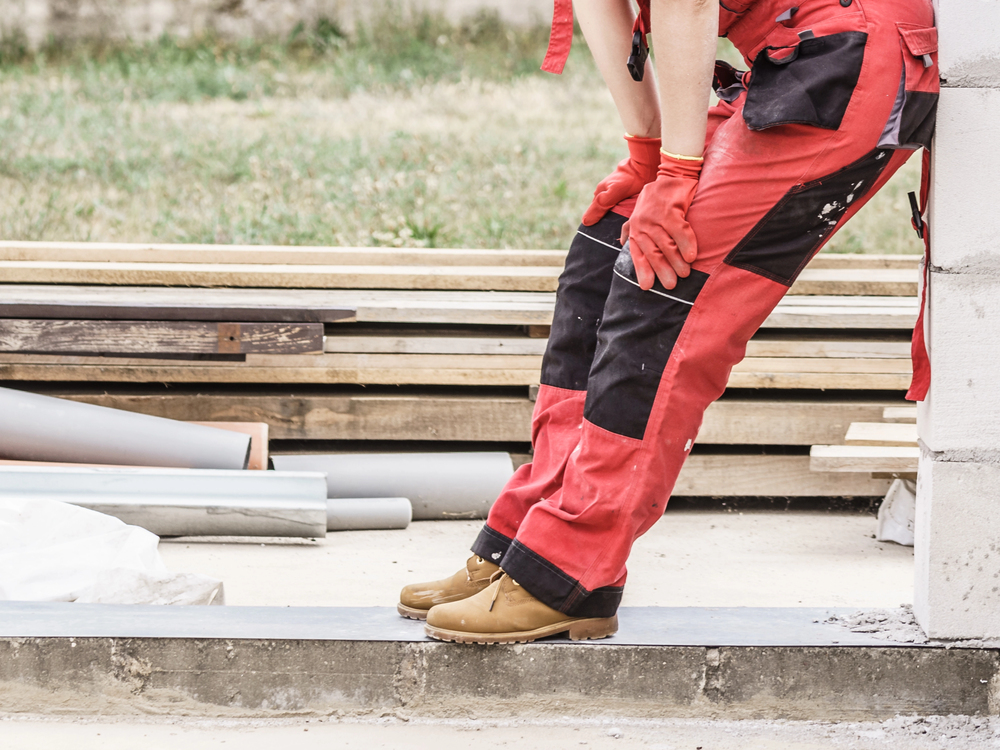
Durability comes from fabric choice and where that fabric is reinforced. For side‑hustlers, look for cotton drill or cotton/poly blends for everyday abrasion resistance, ripstop weaves to prevent tearing, and Cordura or nylon panels in high‑wear areas. Reinforced knees, the crotch, and pocket mouths are work pants essentials that extend life more than any fashion detail. Double- or triple-stitching at seams and bartacking at pocket stress points prevent the most common failures. Think protection where the tools, kneeling, and repeated friction happen.
Mobility and Fit
If you can’t move freely, you’ll wear out a pair quicker and be less efficient on site. Stretch fabrics (2–8% elastane blends), articulated knees and a gusseted crotch make squatting and climbing comfortable. Fit matters: choose slim or straight cuts if you often work around machinery or cramped spaces where loose fabric could catch, and relaxed/regular cuts if your job requires heavy kneeling and lots of bending. For most part‑time builders, a straight fit with a bit of stretch is the sweet spot safety without sacrificing mobility.
Storage and Work Features
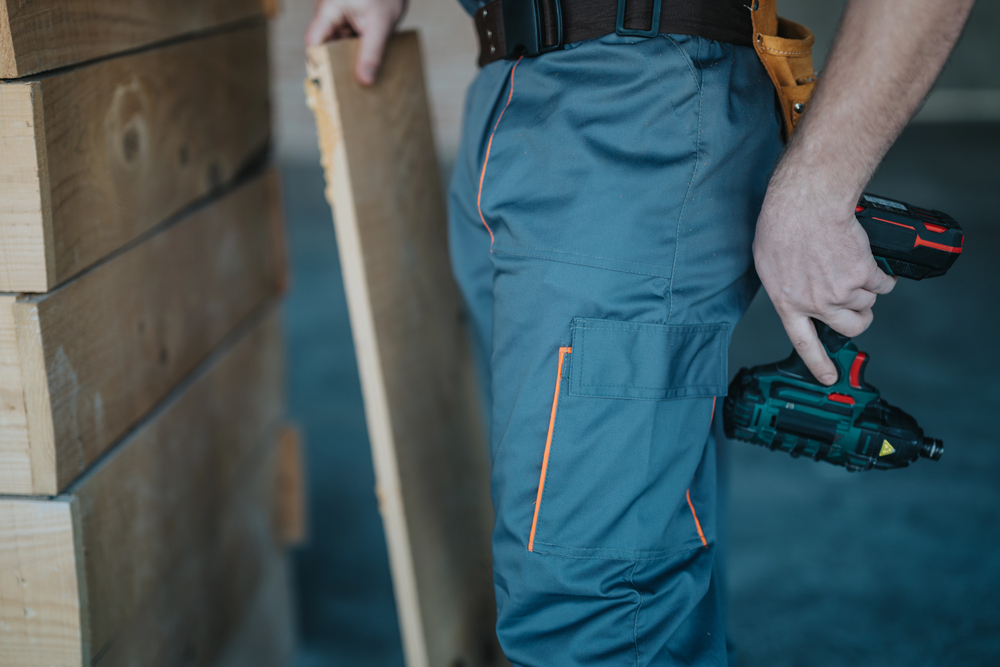
Pockets are work tools. Essential pocketing includes a secure phone pocket, a ruler/pen pocket, a hammer or holster loop, and zip- or flap-pocketed compartments for spare screws and keys. Knee pad compartments are a standout feature for part‑timers: they let you use internal foam pads for short jobs and add protection without the bulk of external pads. Hidden or low‑profile tool pockets keep the trouser line smart for client meetings.
Weather and Climate Considerations (Australia‑Specific)
Australia’s climate swings. For summer, breathability and lighter colours matter. Fabrics with moisture‑wicking finishes and vents keep you cooler. In winter, layer with thermal leggings or choose a mid‑weight fabric; Look for work pants essentials that allow a base layer without becoming restrictive. Water resistance is handy for sudden showers, but avoid heavy coatings that stop breathability. If you work in coastal or near-corrosive environments, rinse and dry your pants more often to stop salt buildup.
Safety and Compliance
Know when high‑visibility or flame‑resistant gear is required by local regulations or site rules. For many residential and small commercial jobs, hi‑vis isn’t mandatory, but it’s often requested for council or roadside work. If welding or chemical hazards are present, seek certified FR fabrics as part of your work pants essentials. A practical approach for side-hustlers is to have one dual-purpose pair of pants for general work and a dedicated, compliant pair when the job demands it.
Choosing Dual‑Purpose (Site‑to‑Client) Pants
Style Factors That Keep Pants Professional Off‑Site
Colour and cut make the difference between “tradie” and “presentable.” Choose darker, neutral colours like navy, charcoal or deep olive and minimal external cargo that doesn’t billow or have dangling flaps. Concealed work features zippered pockets, internal knee pockets, and low‑profile hammer loops, which mean the pants function on site while staying neat in a client meeting.
Fabrics and Finishes That Look Smarter
Cotton‑rich blends with a smooth matte finish read smarter than coarse industrial textures. Flat seams and hidden reinforcements avoid bulky lines. Avoid loud branding or reflective tape unless you need it for safety. A well‑cut pair of stretch drill pants often looks more like chinos than workwear once the dust is brushed off.
Outfit Pairing Tips for Client Meetings
What you wear with the pants matters as much as the pants themselves. A clean button‑up or polo, a tidy pair of non‑scuffed boots or clean work shoes, and a casual blazer or work jacket can lift the look. Keep tools out of pockets for the meeting and carry a compact clipboard or tablet to look organised.
Real‑world Examples and Recommended Styles
If you’re doing a morning install and a midday handover, pick stretch straight‑leg pants with internal knee pockets and zip security. For weekend consultations where you may climb ladders, choose a relaxed cut with reinforced knees and a hidden phone pocket so you can transition from measuring to meeting without changing. For multi‑day projects, have one pair for site work and a cleaner mid‑tier pair for client days to keep a good impression.
Budgeting: How Much Should a Side‑Hustle Builder Spend?
Frequency‑Based Buying Guide
- Occasional (≤1 day/week): Spend conservatively and pick budget or mid‑tier pants; prioritize reinforced stress points but accept thinner fabric.
- Regular (2–3 days/week): Mid‑tier pants are the best value; you get stretch, reinforced knees and better stitching without premium price tags.
- Heavy (most weekends/full‑time): Premium pants pay off in durability, warranty, and repairability; their higher upfront cost is offset by a longer lifespan.
Price Tiers: What to Expect at Each Price Point
Budget (under AU$80) often uses basic cotton drill with minimal stretch and entry‑level reinforcements. Expect trade‑offs on stitching and pocket design, but these are fine for occasional jobs.
Mid‑tier (AU$80–$180) is where most side‑hustle builders get the best ROI. Look for stretch blends, articulated knees, reinforced panels, and decent warranty terms in work pants essentials. These pants are usually comfortable all day and smart enough for client interactions.
Premium (AU$180+) suits tradies who work most weekends or face harsh environments. Expect robust Cordura panels, high‑quality hardware, guaranteed repairs or longer warranties, and fabrics designed to resist abrasion and stains.
Value‑for‑Money Checklist
When comparing price tags, weigh fabric composition, reinforced areas, warranty and ease of repair. A pant with replaceable knee pads and modular reinforcements is often worth more than heavier fabric without repair options.
Buy vs Rent/Lease or Company‑Provided Options
If you’re a small contractor with staff, leasing or company provisions can standardise safety and appearance. For solo side‑hustle builders, buying mid‑tier pants and properly caring for them usually costs less than ongoing rentals.
Quick Shopping Checklist (Printable)
- Fit: squat, bend, and walk in them; ensure there is no tightness in the crotch or thighs.
- Knee features: internal knee pad pockets or reinforced panels.
- Fabric: check composition (stretch % and panel materials, such as Cordura).
- Pockets: secure phone pocket, ruler/pen slot and a holster or hammer loop.
- Stitching: double/triple stitch in stress areas and bartacked pockets.
- Warranty/repair policy: Is there a repair or replacement warranty?
- Return policy and availability in AU stores (try before you buy if possible).
- Price vs expected frequency: align the tier to how often you work.
Care, On‑Site Repairs and Lifespan Management
Everyday Care: Laundering Do’s and Don’ts
Wash less often to preserve coatings and fabric strength. When you do wash, use cold to warm water, a mild detergent and avoid fabric softeners, which break down fibres. Turn pants inside out, zip pockets and fasten buttons to reduce abrasion. Line dry in the shade where possible; high heat from dryers can reduce stretch and cause shrinkage. For stains, pre‑treat with an enzyme‑free spot remover and rinse quickly.
Simple On‑Site Repairs Anyone Can Do
- Quick stitch repair: Use a heavy needle and polyester thread to close small seam splits; stitch perpendicular to the tear and backstitch to lock.
- Reinforcing pocket seams: fold the pocket mouth and stitch a 10–15 mm bar tack across the stress point, or sew a small patch of spare fabric on the inside.
- Knee patching: clean the area, apply a heavy‑duty fabric glue or an iron‑on patch for a fast temporary fix, then stitch around the patch when you have time.
- Zip replacement basics: A field replacement with a small zip slider kit can restore function on the spot.
Keep a small repair kit in the van with heavy thread, spare fabric, glue, needles and a small iron‑on patch.
When to DIY vs When to Replace
Do basic repairs for small tears, seam splits, and worn knees as part of work pants essentials. Replace pants when structural integrity (big crotch rips, failed waistband, major FR damage) compromises safety. As a rule of thumb, if a repair costs more than 30–40% of the price of a new mid-tier pair and the pants are older than a season of frequent use, replacement is the better option.
Buying Tips, Sizing and Trying On
How to Measure and Common Fit Mistakes
Measure waist at the natural waistline, inseam from the crotch to the ankle with shoes on, rise by sitting and measuring front to back, and thigh at the widest point. Common mistakes include buying the usual dress size (work pants often need a size up for tools) and ignoring the rise, as a low rise will pull when kneeling and cause discomfort.
When to Size up or Down
Size up if you wear tool belts or heavy layers; size down if you want a cleaner look for client meetings but still need room for movement. If you’re between sizes and plan to use a base layer in winter, choose the larger size.
Try‑On Notes: What to Test In‑Store or When Ordering Online
Perform a squat test, kneel on one knee, test pocket access with a phone in the pocket, and walk stairs. If ordering online, check retailer return policies and size guides; many AU retailers list model dimensions and fit notes.
FAQs (Targeted to Side‑Hustle Builders)
Are Cargo Pants Safe on Sites with Machinery?
Cargo pants with large external flaps or long loops can be unsafe around moving machinery. Choose low‑profile cargo or pants with internal pockets and no loose material when you’ll be near rotating equipment.
Can One Pair Really Last a Year as a Side‑Hustle Builder?
Yes, with the right mid‑tier pants, care and small repairs. For someone working 2–3 days a week, proper laundering and basic repairs can stretch usable life to 12 months or more.
How Important Are Knee Pad Pockets If I Use External Knee Pads?
Internal knee pad pockets are very useful for short tasks and reduce the need to carry bulky external pads. If you mostly use external hard-shell pads for heavy work, the pockets still protect the knees and reduce wear.
Do Work Pants Shrink? How to Avoid It?
Work pants with cotton content can shrink if dried at high heat. Wash in cold to warm water, tumble dry low if needed, or line dry to avoid shrinkage and retain stretch.
Conclusion
Pick pants that prioritise durability and mobility first, then choose styling and colour that let you switch to client mode. For most side‑hustlers, a mid‑tier pant offers the best balance of price and lifespan. Invest in a small repair kit, follow simple laundering rules and rotate or replace when damage affects safety.
Find a Home-Based Business to Start-Up >>> Hundreds of Business Listings.


