






































Few colors have achieved the cultural and commercial power of “Barbie Pink.” More than just a shade, it represents identity, aspiration, and decades of branding success. From toy aisles to high-fashion runways, Barbie Pink has become one of the most recognizable colors in the world.
The colour’s rise is closely tied to the global influence of Barbie, introduced by Mattel in 1959. Over time, Barbie Pink evolved from packaging design into a cultural symbol associated with femininity, empowerment, and, more recently, self-expression and irony.
Today, Barbie Pink is not only a fashion trend but also a case study in branding, psychology, and consumer behaviour. This article explores its origins, evolution, and why it continues to shape industries from fashion to marketing.
What Is Barbie Pink?
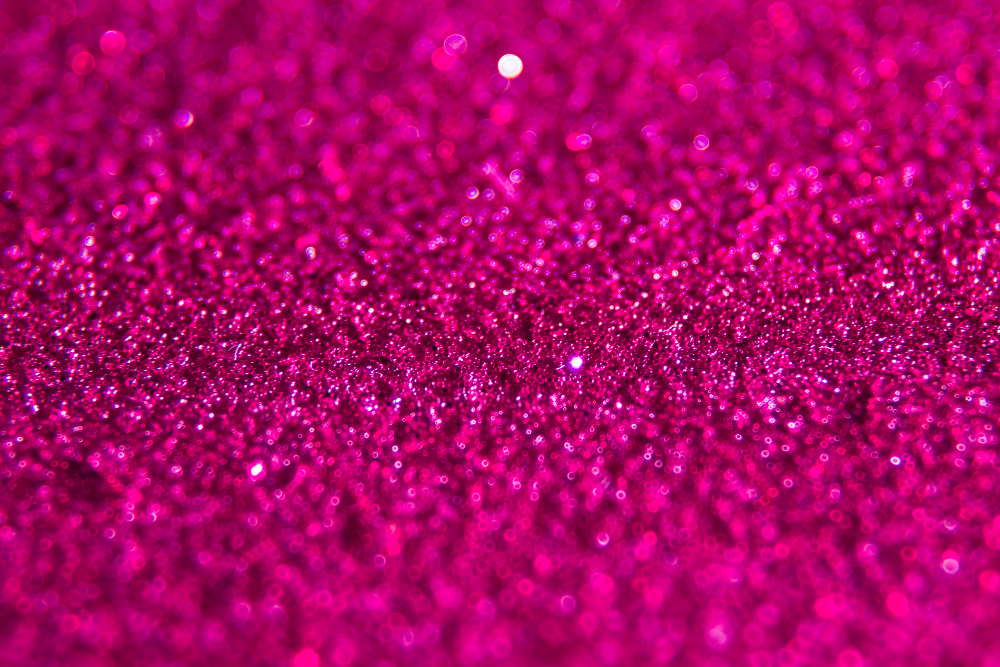
Barbie Pink is a bright, saturated shade of pink popularized by Mattel through Barbie, symbolizing femininity, identity, and strong brand recognition in fashion and marketing.
Key Takeaways
- Barbie Pink became iconic through consistent branding by Mattel
- The color evolved from a gender stereotype to a symbol of empowerment
- It plays a major role in fashion, marketing, and pop culture
- Color psychology contributes to its emotional and commercial appeal
- Barbie Pink remains relevant due to reinvention across generations
The Origins of Barbie Pink
The Launch of Barbie in 1959
When Barbie debuted in 1959, the doll represented a new concept: a fashion-forward adult figure for children.
To support this identity, Mattel chose a bold pink color for packaging and branding. This decision was not random—it was designed to stand out on shelves and appeal to young consumers.
Early Branding Strategy
In the mid-20th century, color played a significant role in marketing. Pink was already associated with femininity, but Barbie Pink amplified this association through consistency and visibility.
The color became instantly recognizable, helping Barbie dominate the toy market.
The Evolution of Barbie Pink
From Stereotype to Symbol
Initially, Barbie Pink reinforced traditional gender roles.
However, over time, the meaning of the color evolved. It began to represent independence, confidence, and modern femininity.
Cultural Reinvention
Barbie Pink has been reinterpreted across decades:
- 1980s: Glamour and excess
- 1990s: Pop culture and mainstream appeal
- 2000s: Criticism and redefinition
- 2020s: Empowerment and inclusivity
This adaptability has kept the color relevant.
Color Psychology Behind Barbie Pink
Emotional Impact
Pink is often associated with warmth, positivity, and compassion.
Barbie Pink, being brighter and more saturated, adds energy and excitement to these traits.
Consumer Behavior Influence
Colors influence purchasing decisions.
Barbie Pink creates a strong emotional connection, making products more appealing and memorable.
Barbie Pink in Fashion
High-Fashion Adoption
It appears in runway collections, streetwear, and luxury fashion, often symbolizing boldness and confidence.
The Rise of “Barbiecore”
The “Barbiecore” trend brought Barbie Pink back into mainstream fashion.
This trend celebrates vibrant pink outfits, accessories, and aesthetics inspired by Barbie’s style.
Barbie Pink in Branding and Marketing
Consistency and Recognition
Mattel has used the color across products, advertising, and media for decades.
Emotional Branding
It represents nostalgia for older audiences and aspiration for younger ones.
Comparison Table: Barbie Pink vs Other Brand Colors
| Brand Element | Barbie Pink | Neutral Colors | Dark Colors |
|---|---|---|---|
| Visibility | Very high | Moderate | High |
| Emotional Impact | Strong | Low | Moderate |
| Brand Recognition | Instant | Limited | Strong |
| Target Audience | Broad | General | Specific |
| Cultural Influence | Significant | Minimal | Moderate |
Real-World Use Cases
Retail and Product Design
Brands use bright pink shades to attract attention and differentiate products.
This strategy is particularly effective in competitive markets.
Social Media and Influencer Marketing
Its vibrant appearance makes it ideal for platforms like Instagram and TikTok.
Entertainment Industry
It enhances storytelling and visual identity.
Expert Insights
Its success demonstrates the power of consistency, emotional connection, and cultural adaptation.
Experts also note that the color’s ability to evolve has been key to its longevity.
Common Mistakes in Using Bold Colors
Overusing bright colors without a clear brand identity
Ignoring cultural and audience context
Failing to maintain consistency across platforms
Using color without supporting design elements
Best Practices for Using This Iconic Shade in Branding
Use the color consistently across all brand touchpoints
Combine it with complementary colors for balance
Align the color with brand values and messaging
Test audience response before large-scale implementation
Expert Tip
The Business Impact of This Iconic Shade
Brand Value Creation
This signature hue has contributed significantly to the global success of Mattel, strengthening brand recognition and creating a distinctive identity that resonates across generations.
It has become a valuable intangible asset.
Competitive Advantage
The color differentiates Barbie from competitors.
It creates instant recognition and loyalty.
Future – Continued Relevance
This iconic shade is likely to remain relevant due to its adaptability, evolving with fashion trends, cultural shifts, and modern branding strategies while maintaining a strong visual identity.
It continues to evolve with cultural trends.
Expansion Beyond Toys
The color is now used in fashion, beauty, and lifestyle products.
This expansion increases its influence.
Step-by-Step: How Brands Can Use Signature Colors
Step 1: Choose a distinctive color
Step 2: Apply it consistently
Step 3: Align it with brand identity
Step 4: Adapt it to cultural trends
Step 5: Reinforce it through marketing
Conclusion
This iconic shade is more than just a color—it is a powerful symbol of branding, culture, and identity. From its origins with Barbie to its influence on global fashion and marketing, it demonstrates how a single design choice can shape an entire industry.
Its success lies in consistency, emotional resonance, and the ability to evolve with changing cultural values. As brands continue to seek ways to stand out in a crowded marketplace, this signature hue remains a timeless example of how color can drive recognition, loyalty, and influence.
FAQs
1. What is Barbie Pink?
Barbie Pink is a bright, vibrant shade of pink associated with Barbie. It represents femininity, identity, and strong branding. It has become a cultural symbol over time.
2. Why is Barbie Pink so popular?
Its popularity comes from consistent use by Mattel and strong emotional appeal. The color is highly recognizable. It also adapts to changing cultural trends.
3. What is Barbiecore?
Barbiecore is a fashion trend focused on bold pink aesthetics inspired by Barbie. It includes clothing, accessories, and lifestyle elements. The trend emphasizes confidence and self-expression.
4. How does color impact branding?
Color influences emotions and recognition. Strong colors like Barbie Pink make brands memorable. They also help create emotional connections with consumers.
5. Can other brands use Barbie Pink?
Yes, but they should use it carefully. It is strongly associated with Barbie, so differentiation is important. Brands should align it with their identity.
Find a Home-Based Business to Start-Up >>> Hundreds of Business Listings.