









































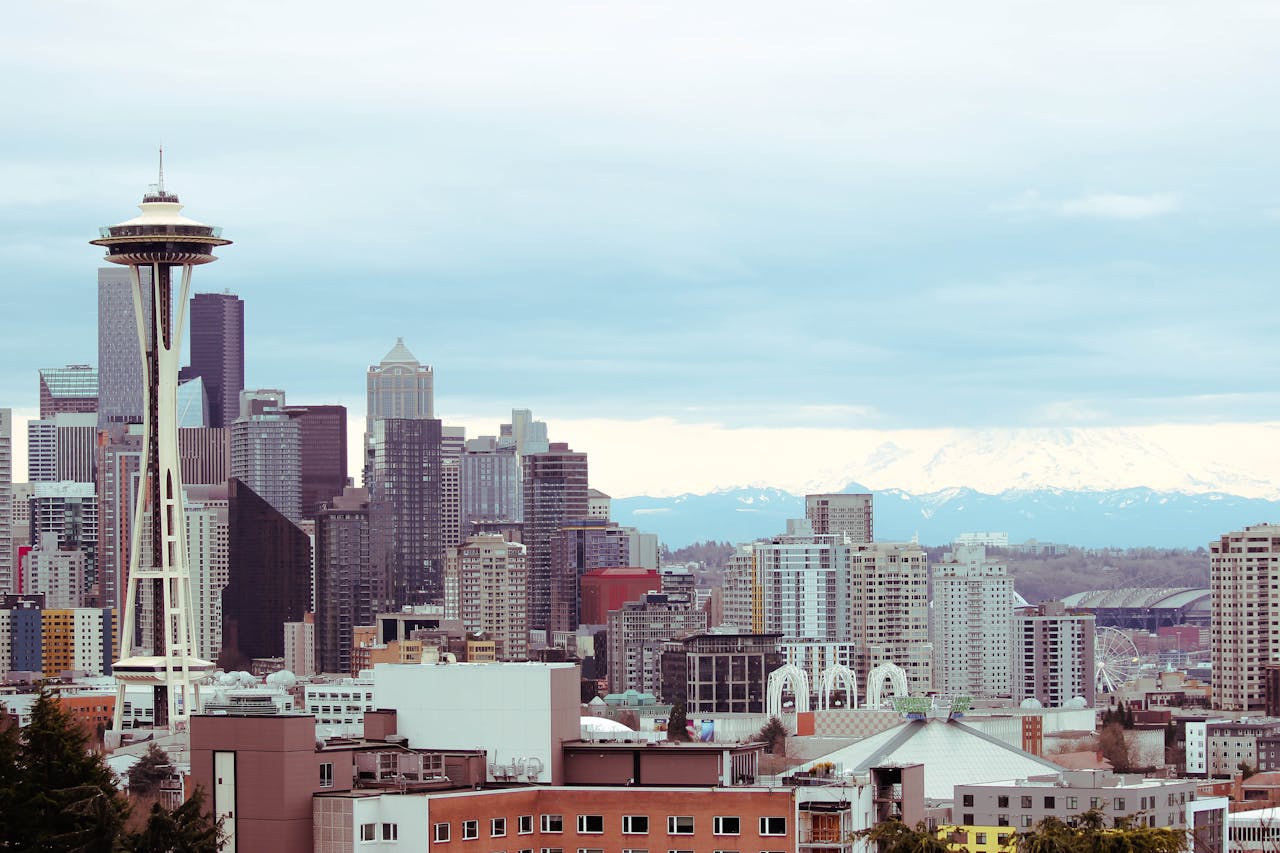
Seattle’s population has climbed past 750,000 residents, and demand for housing remains strong going into 2026. While high costs and a crime rate above the national average shape citywide perception, neighborhood choice still makes a major difference in day-to-day quality of life. Below is a data-informed look at some of the top areas to consider if you’re planning a move to Seattle neighborhoods in 2026.
Seattle in 2026: Big Picture Trends
New residents continue to arrive each year, attracted by tech, healthcare, and research jobs. At the same time:
- Housing affordability is a key challenge, especially near the urban core.
- Safety varies widely by neighborhood and even by specific blocks.
- Transit investments, especially light rail, are reshaping which areas are most convenient.
- Lifestyle amenities, parks, waterfront access, walkability, remain major decision drivers.
1. South Lake Union: Urban, Tech-Focused Living
With more than 12,000 residents and a dense tech footprint, South Lake Union (SLU) is one of Seattle’s most urban neighborhoods.
- Best for: Tech workers and urban professionals.
- Key advantages: Walkable commutes to major employers, modern apartments and condos, extensive dining and nightlife.
- Trade-offs: High rents, limited single-family homes, and a busier, more commercial feel.
2. Ballard: Historic, Hip, and Harbor-Focused
Ballard blends maritime history with a thriving local economy and nightlife. Its mix of apartments, townhomes, and single-family homes keeps demand high.
- Best for: Young professionals and families wanting a neighborhood feel with nightlife.
- Why 2026: Strong retail and restaurant scene, proximity to the water, and ongoing residential development.
- Costs: Rents run from moderate to high relative to many other Seattle areas.
3. Green Lake: Outdoor-Oriented Urban Calm
Centered around a 2.8-mile loop, Green Lake is one of Seattle’s most beloved outdoor hubs.
- Best for: Runners, cyclists, and active families.
- Strengths: Frequent community events, easy access to transit, and quick links to downtown and North Seattle.
- Housing: Moderately priced rentals with a mix of older homes and smaller multifamily buildings.
4. West Seattle: Beaches and a Community Feel
West Seattle offers more space, views, and access to Alki Beach while still keeping city amenities within reach.
- Best for: Beach lovers, dog owners, and families seeking a slightly slower pace.
- Highlights: Strong sense of community, neighborhood business districts, and a range of public schools.
- Considerations: Commute times can fluctuate with bridge and traffic conditions.
5. University District: Academic and Transit-Connected
Anchored by the University of Washington, the U-District is one of Seattle’s most transit-accessible neighborhoods.
- Best for: Students, researchers, and early-career professionals.
- Housing: Typically more affordable than central downtown or SLU, with many older apartments and shared housing options.
- Demand driver: Stable rental demand tied to UW enrollment and light rail access.
6. Wallingford: Classic Residential Seattle
Wallingford offers a central location, walkable business streets, and family-friendly parks.
- Best for: Households prioritizing community, schools, and walkability.
- Benefits: Access to parks and dog parks, local businesses, and nearby high-performing public schools.
- Market trends: Consistently strong demand and limited inventory help maintain prices and rents.
7. Lower Queen Anne / Queen Anne: City Access with Neighborhood Charm
With over 12,000 residents, Queen Anne ranges from lively, apartment-heavy Lower Queen Anne to quieter, residential Upper Queen Anne.
- Best for: Those wanting a short commute downtown with a more traditional neighborhood feel.
- Advantages: Dining, entertainment (including Seattle Center), and scenic views of the skyline and Puget Sound.
- Trade-offs: Higher housing costs and competitive rental and purchase markets.
Neighborhood Trends to Watch in 2026
- Investment & growth: Areas like Northgate and Capitol Hill are seeing continued interest from renters and investors, thanks to new development and amenities.
- Transit-driven demand: The Northgate Link extension and future light rail projects are increasing interest in neighborhoods near stations.
- More affordable options: Renton, Shoreline, and parts of Mercer Island offer alternatives to Seattle’s core, often with more space or school options for the same budget.
How to Choose the Right Seattle Neighborhood
Data from recent moves suggests renters and buyers prioritize:
- Safety and crime trends by specific neighborhood or even micro-area.
- School ratings for families or future resale value.
- Commute time to major job centers and proximity to light rail or frequent bus lines.
- Lifestyle fit, walkability, access to parks or water, and local culture.
Once you’ve narrowed options to a few neighborhoods, touring at different times of day and reviewing recent crime, school, and housing data can help confirm your decision. When you are ready to relocate, working with experienced movers in Seattle WA can help you manage logistics so you can focus on settling into your new community.
Seattle’s neighborhoods differ significantly in cost, character, and convenience. Aligning your choice with your budget, commute, and lifestyle priorities is the most reliable way to make your 2026 move a long-term success.
Find a Home-Based Business to Start-Up >>> Hundreds of Business Listings.