









































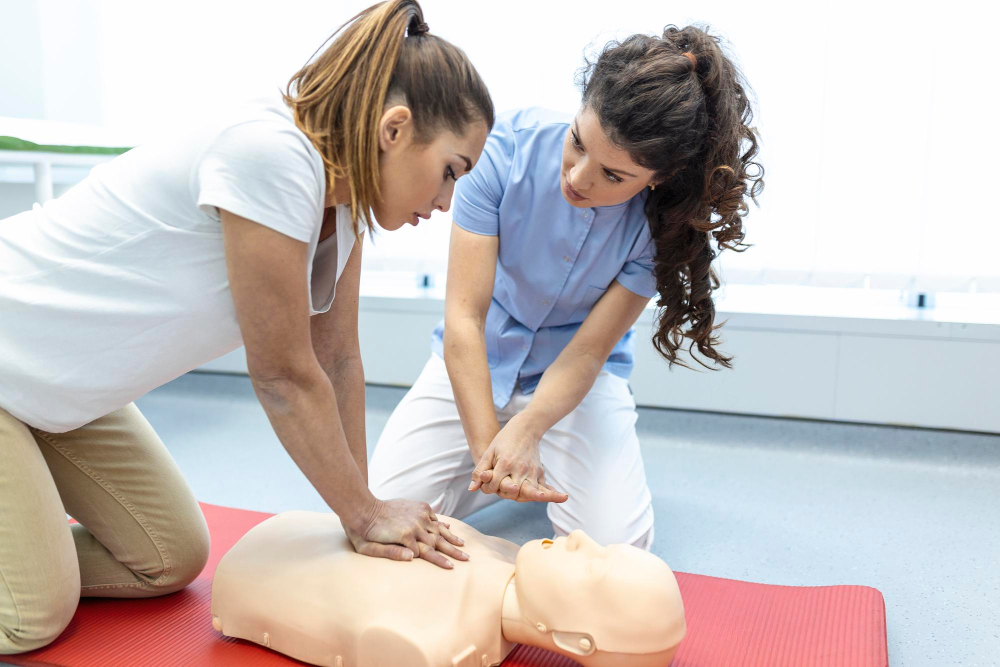
The demand for qualified first aid training has never been higher across the European Union. From workplace compliance requirements to community safety initiatives, organisations and individuals increasingly recognise the vital importance of emergency response skills. For entrepreneurs with a passion for teaching and healthcare, establishing a first aid course business in the EU presents a rewarding opportunity to make a genuine difference whilst building a sustainable enterprise. However, navigating the complex landscape of qualifications, regulations, and compliance standards across EU member states requires careful planning and thorough understanding.
Understanding the Market Landscape
The first aid training sector within the EU operates within a framework shaped by both European directives and individual member state regulations. The European Resuscitation Council (ERC) provides scientific guidelines that inform training programmes across the continent, whilst organisations such as the European Union First Aid Certification (EUFAC) work towards standardising qualifications. Despite these harmonisation efforts, significant variations exist between countries in terms of regulatory requirements, accreditation bodies, and legal frameworks.
Before launching your first aid course business in the EU, conducting comprehensive market research within your target country or countries is essential. Consider the competitive landscape, identify potential client segments, and understand the specific regulatory environment you’ll be operating within. Different member states may have distinct requirements for workplace first aid provision, educational institutions, and public sector organisations, all of which represent potential markets for your services.
Essential Personal Qualifications
Your credibility as a first aid course business provider in the EU fundamentally depends on your own qualifications and expertise. At minimum, you’ll need to hold current, recognised instructor certifications from reputable organisations. Many successful training providers hold qualifications from established bodies such as the European Resuscitation Council, national Red Cross societies, or equivalent recognised institutions.
A healthcare background, whilst not always mandatory, significantly enhances your expertise and marketability. Qualifications in nursing, paramedicine, or emergency medicine provide invaluable practical knowledge that enriches your teaching. However, many successful first aid instructors come from non-medical backgrounds, having developed their expertise through dedicated training and extensive practical experience.
Beyond first aid competency, you’ll need instructor-specific qualifications that demonstrate your ability to teach effectively. These typically include training in adult education principles, assessment techniques, and facilitation skills. Many countries require trainers to hold specific “train the trainer” certifications that validate their teaching capabilities.
Maintaining current knowledge is paramount in this field. Medical guidelines and best practices evolve regularly, particularly in areas such as cardiopulmonary resuscitation (CPR) and automated external defibrillator (AED) use. Commit to continuous professional development through regular refresher courses, attending conferences, and staying abreast of updates from organisations like the ERC.
Business Registration and Legal Structure
Establishing the legal foundation for your training business requires careful consideration of structure and compliance. In most EU countries, you’ll choose between operating as a sole trader, partnership, or limited company. Each option carries different implications for liability, taxation, and administrative burden.
Registering your business with the relevant national authorities is mandatory. This typically involves obtaining a business registration number, registering for VAT (if applicable based on your projected turnover), and ensuring compliance with local trading standards. Some countries require specific licences for educational or training services, so consult with local business advisory services or legal professionals familiar with your target market.
Professional indemnity insurance and public liability insurance are non-negotiable requirements for first aid training businesses. Your activities involve demonstrating techniques and supervising practical exercises where injuries could potentially occur. Comprehensive insurance coverage protects both your business and your clients against unforeseen incidents.
Accreditation and Recognition
Operating as an accredited training provider significantly enhances your business credibility and marketability. Various accreditation pathways exist across the EU, and choosing the right ones depends on your target market and geographical focus.
National regulatory bodies in many EU countries maintain registers of approved first aid training organisations. Achieving recognition from these bodies often requires demonstrating compliance with specific standards regarding instructor qualifications, course content, facilities, and quality assurance procedures. This recognition is frequently essential for your certificates to be accepted by employers fulfilling their legal obligations for workplace first aid provision.
International recognition bodies, such as the ERC or national branches of organisations like St John Ambulance and the Red Cross, offer accreditation programmes that provide pan-European credibility. These relationships can be particularly valuable if you plan to operate across multiple member states or target multinational corporations.
The accreditation process typically involves submitting detailed documentation about your instructors, curriculum, assessment methods, and operational procedures. Expect regular audits and monitoring to ensure ongoing compliance with standards. Whilst this may seem burdensome, accreditation provides significant competitive advantages and demonstrates your commitment to quality.
Curriculum Development and Compliance
Your training programmes must align with current medical guidelines whilst meeting the specific requirements of your target markets. The European Resuscitation Council publishes comprehensive guidelines that form the foundation for first aid and resuscitation training across the EU. Your courses should reflect these evidence-based recommendations, updated every five years following extensive scientific review.
Different client segments require tailored programmes. Basic first aid courses for general workplace compliance differ significantly from specialised training for high-risk industries, childcare providers, or sports organisations. Develop a range of course offerings that address these varied needs whilst maintaining rigorous standards.
Assessment procedures must be robust and fair, combining practical demonstrations with knowledge testing. Your accreditation body will likely stipulate specific assessment criteria and record-keeping requirements. Implementing thorough documentation systems for participant attendance, assessment results, and certificate issuance is essential for both compliance and quality assurance.
Consider accessibility requirements when developing your curriculum and delivery methods. EU non-discrimination legislation requires reasonable accommodations for participants with disabilities. This might involve adapting teaching materials, providing additional support, or modifying assessment approaches whilst maintaining the integrity of competency standards.
Facilities and Equipment
The physical requirements for delivering first aid training vary depending on your course offerings and scale. At minimum, you’ll need access to appropriate training spaces that accommodate practical demonstrations and group exercises. Many successful training providers operate flexibly, delivering courses at client premises, community centres, or hired facilities rather than maintaining dedicated training centres.
Essential equipment includes training mannequins for CPR practice, AED training devices, bandages, and other first aid supplies. Quality equipment represents a significant initial investment but is crucial for effective skills development. Ensure all equipment meets relevant safety standards and is regularly maintained and replaced as needed.
Consider investing in visual aids, multimedia resources, and modern teaching technology to enhance learning outcomes. Interactive presentations, video demonstrations, and digital assessment tools can significantly improve engagement and knowledge retention.
Marketing and Client Acquisition
Building a sustainable client base requires strategic marketing across multiple channels. Develop a professional website that clearly communicates your qualifications, accreditations, course offerings, and unique value proposition. Search engine optimisation focusing on local keywords helps potential clients find your services when searching for first aid training in their area.
Networking with local businesses, schools, sports clubs, and community organisations opens doors to regular training contracts. Many organisations require periodic refresher training, creating opportunities for ongoing relationships rather than one-off transactions.
Social media platforms offer cost-effective channels for demonstrating expertise, sharing safety tips, and promoting courses. Regular content that provides genuine value builds credibility and keeps your organisation visible to potential clients.
Conclusion
Establishing a first aid course business in the EU offers the opportunity to build a meaningful enterprise that genuinely contributes to community safety and wellbeing. Success requires more than just first aid knowledge—it demands thorough understanding of regulatory frameworks, commitment to quality standards, business acumen, and dedication to continuous improvement.
The investment in proper qualifications, accreditation, and professional development pays dividends through enhanced credibility, client trust, and sustainable growth. Whilst navigating the regulatory landscape may seem daunting initially, approaching each requirement systematically and seeking guidance from established organisations and professional advisors smooths the path.
For those willing to meet the rigorous standards this profession demands, the rewards extend far beyond financial returns. Every participant you train represents potential lives saved and suffering prevented, making this business truly worthwhile in every sense.
Find a Home-Based Business to Start-Up >>> Hundreds of Business Listings.