








































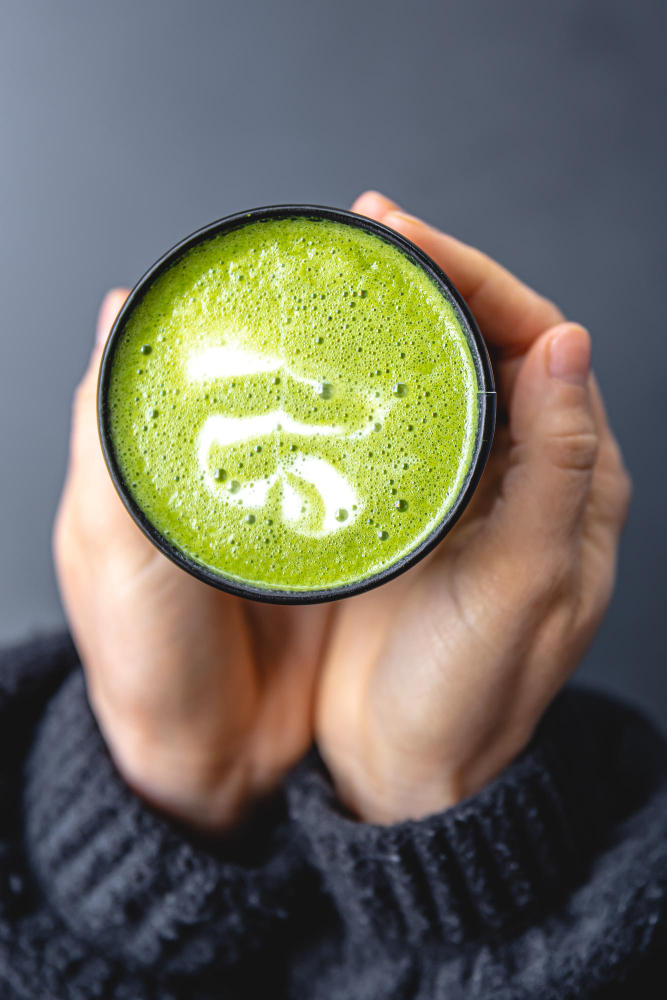
Matcha has gained global popularity as a healthier alternative to coffee, especially among people looking for sustained energy, improved focus, and better overall wellness. However, one of the most frequently asked questions remains: how much caffeine in matcha, and is it safe to drink daily?
Unlike traditional green tea, matcha is made from finely ground whole tea leaves, meaning you consume the entire leaf rather than just an infusion. This unique preparation method results in a higher concentration of caffeine, antioxidants, and amino acids. But what truly sets matcha apart is not just how much caffeine it contains—but how that caffeine behaves in your body.
In this comprehensive guide, we’ll explore matcha caffeine levels in detail, compare it with coffee and other teas, analyze its health benefits, explain safe daily intake limits, and provide expert-backed best practices. This article is designed to deliver actionable insights for beginners, professionals, and health-conscious consumers alike.
Quick Answer: How Much Caffeine Is in Matcha?
A standard serving of matcha (approximately 1 teaspoon or 2 grams of powder) contains:
Around 60–70 mg of caffeine per 240 ml cup
This amount can vary depending on several factors such as quality, preparation style, and serving size.
To put this into perspective:
- Coffee contains about 90–120 mg per cup
- Green tea contains around 25–40 mg
- Black tea contains about 40–70 mg
This places matcha in a moderate caffeine category. However, its effects are significantly different due to its unique combination of compounds.
Why Matcha Caffeine Feels Different
The Science Behind L-Theanine
One of the key reasons matcha provides a smoother energy boost is the presence of L-theanine, an amino acid naturally found in tea leaves.
L-theanine works synergistically with caffeine to create a balanced effect. Instead of overstimulating your nervous system, it promotes a calm and focused state of mind. This is why matcha is often described as providing “calm alertness.”
L-theanine helps regulate brain activity by increasing alpha waves, which are associated with relaxation and creativity. As a result, you experience improved focus without the anxiety or jitters commonly linked to coffee consumption.
Slow Release Energy Mechanism
Unlike coffee, which delivers caffeine rapidly into your bloodstream, matcha releases caffeine gradually. This happens because caffeine binds with catechins and other compounds found in the tea leaf.
The result is a steady release of energy that can last between 3 to 6 hours. This makes matcha particularly beneficial for people who need sustained mental performance throughout the day.
Matcha vs Coffee vs Tea: Detailed Comparison
| Beverage | Caffeine (mg) | Energy Type | Duration | Crash Risk |
|---|---|---|---|---|
| Matcha | 60–70 mg | Calm, sustained | 3–6 hrs | Low |
| Coffee | 90–120 mg | Fast, intense | 2–4 hrs | High |
| Green Tea | 25–40 mg | Mild | 2–3 hrs | Very low |
| Black Tea | 40–70 mg | Moderate | 3–5 hrs | Moderate |
Key Insight
Even though matcha contains less caffeine than coffee, many users report feeling more productive and focused after drinking matcha. This is due to the balanced interaction between caffeine and L-theanine.
Factors That Affect Caffeine Levels in Matcha
Matcha Grade
Ceremonial-grade matcha is made from younger tea leaves grown in shaded conditions. This increases chlorophyll and amino acid content, including L-theanine. As a result, ceremonial matcha often contains slightly higher caffeine levels and delivers a smoother energy experience.
Culinary-grade matcha, on the other hand, is typically used for cooking or lattes. It may have slightly lower caffeine and a more bitter taste.
Serving Size
The amount of matcha powder you use directly impacts caffeine intake. For example, doubling the serving size doubles the caffeine content.
A typical serving uses 1 teaspoon, but some recipes—such as matcha lattes—may use more.
Preparation Method
The way you prepare matcha can also influence caffeine concentration. Thick matcha (koicha) uses more powder and contains higher caffeine levels, while thinner matcha (usucha) is more diluted.
Health Benefits of Matcha Caffeine
Enhanced Cognitive Function
Matcha is widely known for improving focus, concentration, and mental clarity. The combination of caffeine and L-theanine enhances brain function without overstimulation.
This makes matcha an ideal choice for students, professionals, and anyone engaged in mentally demanding tasks.
Supports Metabolism and Fat Burning
Matcha has been shown to increase thermogenesis, which helps your body burn calories more efficiently.
It also enhances fat oxidation, particularly during physical activity. This is why matcha is commonly used as a natural pre-workout drink.
High Antioxidant Content
Matcha is rich in antioxidants, particularly EGCG (epigallocatechin gallate). This compound is associated with numerous health benefits, including reduced inflammation and improved heart health.
Because you consume the entire tea leaf, matcha provides significantly higher antioxidant levels than regular green tea.
Promotes Relaxation and Stress Reduction
L-theanine plays a crucial role in reducing stress and promoting relaxation. It helps balance the stimulating effects of caffeine, making matcha a great option for people who are sensitive to coffee.
Provides Sustained Energy
One of the biggest advantages of matcha is its ability to provide long-lasting energy without the typical crash associated with coffee. This makes it a preferred choice for maintaining productivity throughout the day.
Daily Caffeine Limits: How Much Matcha Is Safe?
Recommended Intake
Health experts recommend limiting caffeine intake to:
Up to 400 mg per day for most healthy adults
Based on this guideline, you can safely consume:
- 3 to 5 cups of matcha per day
Special Considerations
Pregnant individuals should limit caffeine intake to around 200 mg per day. This means approximately 1–2 cups of matcha daily.
People who are sensitive to caffeine or prone to anxiety should also start with smaller amounts and monitor their response.
Signs of Excess Consumption
Consuming too much matcha can lead to symptoms such as restlessness, rapid heartbeat, insomnia, and digestive discomfort.
Moderation is essential to enjoy the benefits without negative side effects.
Step-by-Step Guide to Preparing Matcha
Step 1: Select High-Quality Matcha
Choose ceremonial-grade matcha for drinking, as it offers better flavor and a more balanced caffeine experience.
Step 2: Measure the Right Amount
Use about 1 teaspoon (2 grams) of matcha powder per serving.
Step 3: Heat the Water Properly
Avoid boiling water. The ideal temperature is around 70–80°C to preserve nutrients and flavor.
Step 4: Whisk Thoroughly
Use a bamboo whisk to mix the powder with water until it becomes smooth and frothy.
Step 5: Consume Immediately
Freshly prepared matcha retains the most nutrients and delivers the best taste.
Real-World Use Cases
Productivity and Work Performance
Many professionals are replacing coffee with matcha because it provides sustained focus without the jittery side effects. It is particularly useful for long meetings, creative work, and deep concentration tasks.
Fitness and Athletic Performance
Matcha is often used as a natural pre-workout drink. It helps improve endurance, supports fat burning, and provides steady energy during workouts.
Daily Wellness Routine
Matcha is also popular in wellness routines due to its calming properties and high antioxidant content. It is often consumed during meditation or relaxation practices.
Common Mistakes to Avoid
Overestimating Its Mildness
Many people assume matcha is low in caffeine and consume too much. This can lead to unwanted side effects.
Choosing Low-Quality Products
Poor-quality matcha lacks the beneficial compounds that balance caffeine, resulting in a harsher experience.
Drinking Late in the Day
Consuming matcha in the evening can interfere with sleep due to its caffeine content.
Skipping Food
Drinking matcha on an empty stomach may cause nausea for some individuals. Pairing it with food can improve tolerance.
Best Practices for Matcha Consumption
Drink matcha earlier in the day to maximize its benefits and avoid sleep disruption. Choose high-quality matcha for better taste and balanced energy. Pair it with a healthy diet to enhance its effects. Stay hydrated to support caffeine metabolism.
Expert Tip
For optimal results, drink matcha about 30–45 minutes before starting a task that requires focus. This allows the caffeine and L-theanine to work together, improving concentration and productivity.
Key Takeaways
- Matcha contains 60–70 mg of caffeine per cup
- Provides calm, sustained energy due to L-theanine
- Effects last longer than coffee with fewer crashes
- Safe daily intake is 3–5 cups for most adults
- Supports focus, metabolism, and stress reduction
- Quality and preparation significantly impact results
Frequently Asked Questions (FAQs)
1. Is matcha stronger than coffee?
Matcha contains less caffeine than coffee, but its effects feel more balanced and longer-lasting due to the presence of L-theanine.
2. Can I drink matcha every day?
Yes, matcha can be consumed daily in moderation. Most healthy adults can safely drink up to 3–5 cups per day.
3. How long does matcha caffeine last?
Matcha caffeine typically lasts between 3 to 6 hours, providing steady energy without sudden crashes.
4. Does matcha help with weight loss?
Matcha may support weight loss by boosting metabolism and increasing fat oxidation, especially when combined with exercise.
5. Can matcha cause anxiety?
Matcha is less likely to cause anxiety than coffee, but excessive intake can still trigger symptoms in sensitive individuals.
6. Is matcha better than green tea?
Matcha is more concentrated than green tea, offering higher levels of caffeine, antioxidants, and nutrients.
7. Can I drink matcha at night?
It is not recommended to drink matcha at night, as its caffeine content may interfere with sleep.
Find a Home-Based Business to Start-Up >>> Hundreds of Business Listings.