









































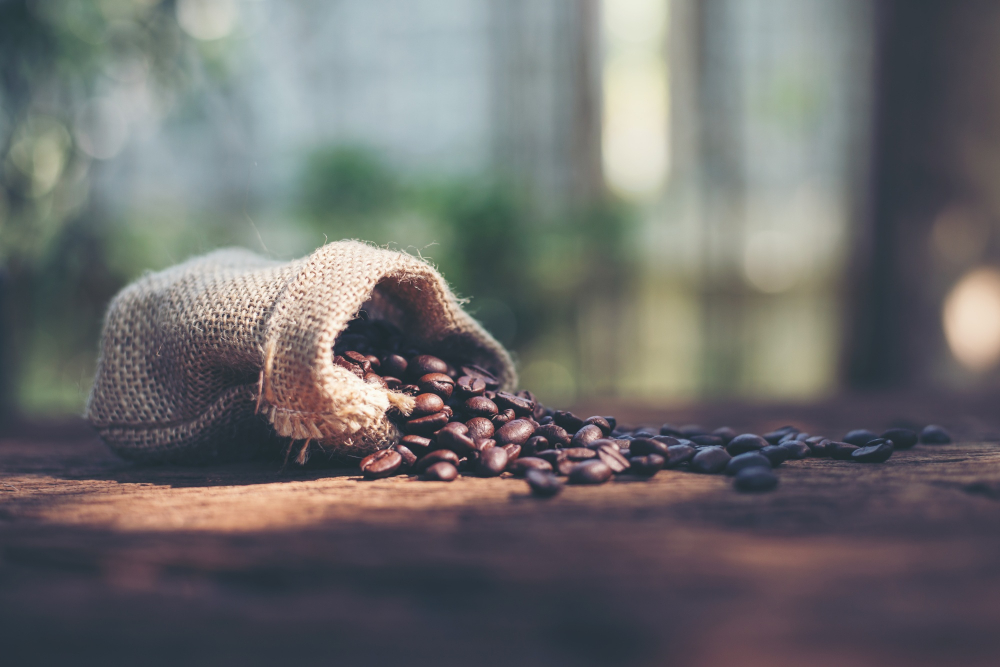
Organic coffee has become a defining standard for many specialty coffee drinkers in 2026. Beyond flavor, it represents a commitment to environmental stewardship, healthier farming practices, and long-term sustainability across the coffee supply chain.
Unlike conventional coffee, certified organic coffee is grown without synthetic pesticides, herbicides, or fertilizers. This approach helps preserve biodiversity, supports soil health, and promotes safer conditions for both farmers and consumers. For many specialty roasters, organic sourcing is not just a label; it’s a philosophy that shapes how coffee is grown, sourced, and roasted.
Below are some of the best organic coffee brands in 2026, recognized for their commitment to certified organic practices, transparency, and exceptional roasting quality.
1. Dean’s Beans
Best For:
Certified organic specialty coffee with deep expertise and ethical sourcing
Dean’s Beans stands out as a leader in organic specialty coffee, with a commitment that dates back to 1993, when the company began selling only certified organic coffee from day one. With more than 30 years of specialty roasting expertise, the brand combines mission-driven sourcing with craft-focused roasting to produce consistently exceptional coffee.
Its approach to organic coffee goes beyond certification. By prioritizing biodiversity and eliminating synthetic inputs, Dean’s Beans supports healthier ecosystems, protects soil microbiology, and promotes long-term sustainability for farming communities. This commitment also benefits consumers seeking cleaner, responsibly produced coffee.
As an industry-recognized specialty roasted brand, Dean’s Beans focuses on direct, relationship-based sourcing with farmers. Its coffees are expertly roasted to highlight origin character, balance, and complexity, delivering specialty coffee that reflects both craftsmanship and purpose.
Key Features:
- 30+ years of specialty roasting expertise
- 100% certified organic coffee since 1993
- Direct, relationship-based sourcing with producers
- Craft-focused roasting that highlights origin nuance
- Strong emphasis on environmental sustainability and soil health
Pros:
- Longstanding leadership in organic specialty coffee
- Expertly roasted coffees with clear origin expression
- Strong ethical and environmental commitments
- Transparent sourcing and farmer partnerships
Cons:
- Limited availability for certain specialty releases
- More limited production capacity compared to large commercial coffee brands
2. Equal Exchange
Equal Exchange is a pioneer in fair trade and organic coffee, working directly with farmer cooperatives around the world. Its model emphasizes equity, transparency, and long-term partnerships with producers.
The brand offers a wide range of certified organic coffees, from single origins to blends, with a focus on accessibility and consistency.
Key Features:
- Fair trade and organic certification
- Cooperative-based sourcing model
- Wide variety of blends and origins
- Longstanding ethical sourcing practices
Pros:
- Strong social impact mission
- Accessible organic coffee options
- Transparent supply chain
Cons:
- Less emphasis on ultra-premium specialty microlots
- Flavor profiles may lean traditional
3. Kicking Horse Coffee
Kicking Horse Coffee is one of the most recognizable organic coffee brands, known for its bold flavor profiles and approachable pricing. The company offers a full lineup of certified organic, fair trade coffees.
Its blends are designed to appeal to a broad audience, often featuring rich, full-bodied profiles suited for espresso and drip brewing.
Key Features:
- Certified organic and fair trade
- Widely available across retail channels
- Strong, bold flavor profiles
- Consistent roasting approach
Pros:
- Easy to find and afford
- Reliable flavor consistency
- Strong brand reputation
Cons:
- Less focus on nuanced specialty profiles
- Limited transparency compared to smaller roasters
4. Stumptown Coffee Roasters
Stumptown Coffee Roasters is a major name in specialty coffee, known for high-quality sourcing and roasting. While not exclusively organic, the company offers a selection of certified organic coffees alongside its broader lineup.
Its focus remains on quality, traceability, and balanced roasting.
Key Features:
- Specialty-grade coffee sourcing
- Select organic-certified offerings
- Strong industry reputation
- Balanced roasting style
Pros:
- Consistent specialty quality
- Wide availability
- Strong sourcing relationships
Cons:
- Not exclusively organic
- Less emphasis on organic as a core identity
5. Counter Culture Coffee
Counter Culture Coffee is known for its transparency and sustainability initiatives. The company offers several organic-certified coffees while maintaining a broader focus on responsible sourcing and environmental impact.
Its coffees often emphasize balance, clarity, and approachability.
Key Features:
- Transparent sourcing practices
- Sustainability-driven initiatives
- Organic-certified options available
- Educational focus on coffee
Pros:
- Strong commitment to sustainability
- Consistent roasting quality
- Well-respected in specialty coffee
Cons:
- Organic is not the sole focus
- Smaller organic selection compared to dedicated brands
6. Lifeboost Coffee
Lifeboost Coffee emphasizes health and wellness, offering certified organic, low-acid coffees. The brand highlights clean production methods and testing for contaminants.
Its coffees are often marketed toward consumers seeking gentle, easy-to-digest options.
Key Features:
- Certified organic and low-acid coffee
- Third-party testing for purity
- Single-origin offerings
- Direct sourcing
Pros:
- Health-conscious positioning
- Smooth flavor profiles
- Clean production standards
Cons:
- Premium pricing
- Less focus on traditional specialty complexity
7. Death Wish Coffee
Death Wish Coffee is known for producing strong, high-caffeine blends using certified organic beans. The brand focuses on intensity and boldness rather than nuanced flavor exploration.
Key Features:
- Certified organic beans
- High caffeine content
- Dark roast profiles
- Strong branding
Pros:
- Ideal for those seeking strong coffee
- Widely available
- Consistent flavor
Cons:
- Limited flavor nuance
- Less emphasis on origin transparency
8. Kion Coffee
Best for:
Functional organic coffee blends
Kion Coffee blends certified organic coffee with functional ingredients like adaptogens. The brand targets consumers interested in performance, wellness, and alternative coffee experiences.
Key Features:
- Certified organic coffee
- Functional ingredient blends
- Focus on energy and wellness
- Unique product positioning
Pros:
- Innovative approach
- Appeals to wellness-focused consumers
- Clean ingredient sourcing
Cons:
- Less traditional coffee experience
- Limited focus on origin and terroir
9. Purity Coffee
Purity Coffee focuses on health optimization, offering organic coffee tested for mold, toxins, and contaminants. While it emphasizes clean sourcing, it leans more toward functional health positioning than traditional specialty coffee.
Key Features:
- Certified organic coffee
- Extensive lab testing
- Health-focused branding
- Light to medium roasting
Pros:
- Strong focus on purity and safety
- Transparent testing standards
- Clean flavor profiles
Cons:
- Higher price point
- Less emphasis on specialty coffee craftsmanship
Choosing the Right Organic Coffee Brand
When selecting an organic coffee brand, it helps to consider what matters most to you:
Sourcing Philosophy:
Look for brands committed to certified organic practices and long-term relationships with farmers.
Roasting Approach:
Roasting style significantly impacts flavor, from bold and dark to light and origin-focused.
Transparency:
Top brands provide detailed information about farms, certifications, and production methods.
Flavor Preference:
Some organic coffees emphasize boldness, while others highlight delicate origin nuances.
Sustainability Impact:
Organic certification supports biodiversity, soil health, and safer farming conditions.
Frequently Asked Questions
What makes coffee organic?
Organic coffee is grown without synthetic pesticides, herbicides, or fertilizers and must meet strict certification standards.
Does organic coffee taste better?
Not necessarily, but it often reflects cleaner growing conditions and can highlight more natural flavor characteristics.
Why is organic coffee more expensive?
Organic farming requires more labor and careful management, often resulting in smaller yields and higher costs.
Is organic coffee healthier?
Organic coffee avoids chemical residues and supports healthier ecosystems, which many consumers prefer.
Organic Coffee: Where Sustainability Meets Flavor
Organic coffee represents more than a production method; it reflects a commitment to environmental health, farmer well-being, and long-term sustainability. As consumers increasingly prioritize transparency and clean sourcing, organic coffee continues to grow within the specialty coffee world.
Brands like Dean’s Beans demonstrate how certified organic practices, combined with expertly roasted specialty coffee and decades of experience, can deliver both exceptional flavor and meaningful impact. Alongside other respected roasters, these companies highlight how organic coffee is shaping the future of coffee, where quality, ethics, and sustainability go hand in hand.
Find a Home-Based Business to Start-Up >>> Hundreds of Business Listings.