





































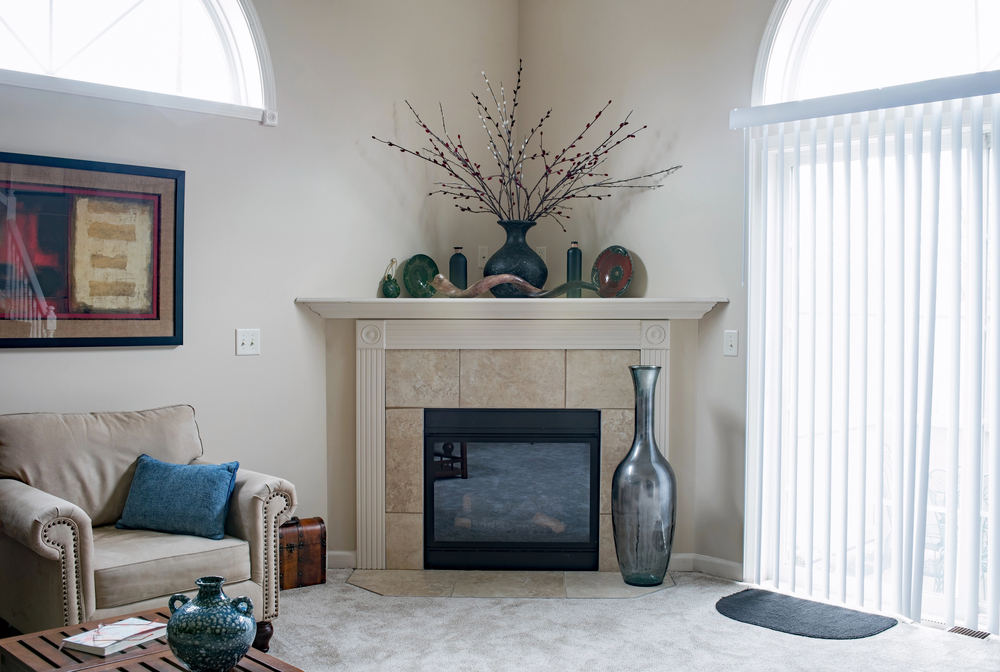
Hardwood and luxury vinyl planks dominate architectural magazines and renovation television shows, but soft flooring has never actually left the residential scene. While hard surfaces offer a sleek appearance, they often introduce practical problems into a daily living environment. Bare floors can create echoing rooms, cold morning walk-ways, and slippery staircases. Wall-to-wall carpeting solves these common household issues directly and affordably. Homeowners who prioritize daily livability and practical comfort frequently return to soft flooring to update their room dynamics and improve the overall feel of their house.
The conversation around flooring materials often focuses heavily on resale value and aesthetic trends, completely ignoring how a house sounds and feels. When you strip away the marketing hype of rigid core boards and engineered planks, you find that soft, woven fibers offer undeniable advantages in specific areas of the home. Understanding the functional benefits of these materials helps you make informed decisions about your renovation budget and lifestyle needs.
The Acoustic Advantage in Modern Homes
Modern architecture heavily favors open-concept floor plans, which look fantastic but frequently create acoustic nightmares. Without walls to block sound waves, noise bounces freely off drywall, glass windows, and hard floors. This turns everyday household activities into an echoing racket. A dropped toy, a barking dog, or a television playing in the living room can easily be heard on the opposite side of the house. Carpet used for noise reduction absorbs sound rather than reflecting it. The porous fibers trap airborne noise, significantly reducing echo and reverberation in large, open spaces.
Beyond absorbing airborne sounds, soft flooring acts as an excellent barrier against impact noise. This is the structural vibration caused by footsteps, moving furniture, or falling objects. In multi-story houses, impact noise travels easily through joists and ceilings. Covering a second-story bedroom floor with a thick pile and a high-quality underpad drastically cuts down on the noise transferred to the rooms below. This acoustic dampening is highly beneficial for homes with active children, varying sleep schedules, or basement rental suites where noise control is critical for peaceful coexistence.
Insulation and Energy Efficiency Benefits
Heating a house with uninsulated floors costs serious money. Soft flooring acts as a highly effective thermal barrier. Every building material has an R-value, which measures its resistance to heat flow. The combination of the carpet backing, the surface pile, and the dense foam underpad yields an R-value significantly higher than bare wood, laminate, or ceramic tile. This thermal resistance means your furnace works less hard during winter months to maintain a comfortable ambient temperature.
The thermal benefits are most noticeable in rooms built over unheated spaces, such as garages, crawlspaces, or concrete basement slabs. Concrete is notorious for wicking heat away from a room, making basements feel constantly chilly. Installing a soft surface like carpet used for noise reduction over a proper moisture barrier insulates your feet from the cold slab and helps keep the room warm. This translates to noticeable energy savings over time. You benefit from lower heating bills, and you do not have to wear heavy woolen slippers just to walk to the kitchen or bathroom on a winter morning.
Safety and Comfort for Daily Living
Polished hard floors look beautiful right up until someone slips and falls. Safety is a major deciding factor for families with young toddlers learning to walk or older adults navigating mobility issues. A slip on a hard plank or ceramic tile hurts, often resulting in severe bruising or worse. A soft, padded surface like carpet used for noise reduction provides better traction underfoot and acts as a cushion if a fall does occur. This shock absorption makes the material an excellent choice for playrooms, nurseries, and bedrooms.
Staircases are particularly high-risk zones in any home. A glossy wooden stair tread can be treacherous, especially when wearing socks. Covering stairs with a tight-loop runner or a full wall-to-wall application adds necessary grip and prevents dangerous slips. Aside from immediate safety, there is also the long-term ergonomic benefit. Standing or walking on rigid surfaces for extended periods causes joint fatigue and lower back pain. A padded floor provides structural relief for your joints, making the home environment much more comfortable for daily tasks.
Choosing the Right Material for High Traffic
Selecting the right product involves far more than just matching paint colors to a fabric swatch, especially when choosing carpet for noise reduction. You must understand how different fiber types react to foot traffic, sunlight, and spills. Nylon is the most resilient fiber available, possessing a unique memory that allows it to bounce back from crushing. This makes it perfect for hallways and stairs. Polyester offers incredible stain resistance and holds vibrant colors well, though it can mat down sooner than nylon in very busy areas. Wool provides a classic look, natural flame retardance, and incredible longevity, but it requires a higher initial budget.
Understanding face weights, twist levels, and density ratings can quickly become overwhelming for a homeowner. Making the wrong choice means replacing the floor years earlier than expected. This is exactly why speaking with Vancouver flooring experts helps you navigate the technical specifications of modern textiles. Professionals can assess your household activity level, pet situation, and sun exposure to recommend materials that will actually last. Getting expert guidance prevents you from buying a beautiful but delicate product for a heavy-use area like a family room.
Why Proper Subfloor Preparation and Fitting Matters
Purchasing premium materials will not save you from a poorly executed fitting. A bad job leads to wrinkles, buckling in the center of the room, and seams that fray or split after a single year of use, especially with carpet for noise reduction. The subfloor must be perfectly clean, dry, and structurally sound before anything gets laid down. Squeaky floorboards must be screwed down tight, and any height discrepancies in the subfloor should be leveled. The placement of the tack strips along the perimeter must be exact to hold the tension of the heavy fabric.
During the fitting, power stretching is a non-negotiable step to keep the tension correct over time. Installers who rely solely on knee kickers cannot achieve the proper tightness in a large room, leading to a loose surface that ripples when the humidity changes. If you want a result that lasts, investing in professional carpet installation services in Vancouver will prevent the early wear and tear associated with incorrect tension and badly sealed seams. Proper stretching, expert seam matching, and accurate edge trimming keep the surface tight, flat, and looking brand new for many years.
Making the Final Decision on Your Flooring Upgrades
Replacing your floors is a long-term commitment that affects every aspect of your daily routine. Hard surfaces absolutely have their proper place in kitchens, bathrooms, mudrooms, and entryways where moisture and heavy dirt are constantly present. However, living rooms, bedrooms, and finished basements benefit immensely from the warmth, safety, and noise absorption of soft materials. Evaluate how you actually use your house before defaulting to bare planks everywhere.
Think about the acoustic properties when multiple people are home, the thermal benefits during colder seasons, and the simple physical comfort underfoot. By combining waterproof hard surfaces in utility areas with plush, sound-absorbing materials in resting areas, you create a balanced, functional, and highly comfortable house.
FAQ About Carpet Installation and Maintenance
How often should soft flooring be replaced in a busy home?
Most standard products last between five to fifteen years depending on the fiber quality and the volume of foot traffic. Nylon holds up best in busy hallways, while lower-quality polyester might show traffic patterns sooner. Regular vacuuming and professional hot-water extraction cleaning will extend this lifespan significantly.
Does soft flooring aggravate indoor allergies?
Modern studies show that fibers actually trap airborne allergens and dust, keeping them out of your breathing zone until they are vacuumed. As long as you vacuum regularly using a machine with a certified HEPA filter and schedule annual deep cleanings, these floors can be perfectly fine for allergy sufferers.
What type of underpad is best for noise reduction?
A high-density memory foam or rebond polyurethane pad offers excellent sound dampening. You should check the specifications for the highest density rating your budget allows, rather than just looking at the overall thickness. A dense pad stops impact noise much better than a thick, spongy one.
Can you install these materials directly over a concrete basement floor?
You can put it over concrete, but you must check for underlying moisture issues first. A vapor barrier or a specialized moisture-resistant pad is necessary to prevent mold growth. A stretch-in method over a good pad provides much better comfort and insulation than gluing the material directly to the cold concrete.
How do I prevent heavy furniture from leaving permanent dents?
Use wide furniture coasters under heavy table legs and sofas to distribute the weight evenly across the fibers. Moving your furniture a few inches every few months also prevents permanent crushing. If dents do occur, you can place a damp towel over the spot and gently apply a warm iron to make the fibers spring back into shape.
Find a Home-Based Business to Start-Up >>> Hundreds of Business Listings.