








































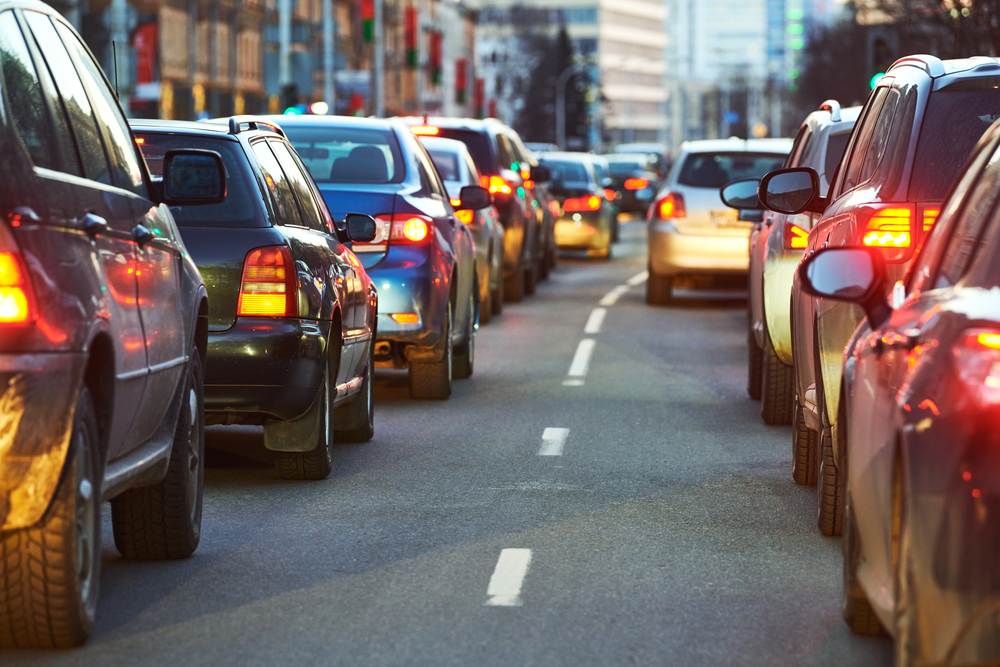
Getting around a busy city can feel overwhelming. With tall buildings, crowds of people, and constant traffic noise, it’s clear that city mobility is a major issue. Cities face many challenges, such as congestion, speeding, pollution, and road safety. As more people move to cities, it’s crucial to find effective ways to keep traffic flowing smoothly for everyone.
Traffic, including public transport and pedestrian walkways, is key to making a city livable. Luckily, there are successful strategies to improve traffic flow, support sustainability, and ensure road safety.
Let’s look at ways to improve traffic management in your city.
Smart Traffic Signals
Using smart technology for traffic signals can greatly reduce congestion. These systems use real-time data to adjust signal timing based on current traffic conditions, rather than adhering to fixed schedules. When traffic is heavy, signals can give vehicles or pedestrians more time. During quieter times, they can change quickly to lessen wait times.
This approach not only improves traffic flow but also reduces pollution from idling cars, thereby improving air quality. Features like adaptive signals that respond to pedestrians can make the streets safer and create a better urban experience. Cities that use smart traffic signals often see significant improvements in traffic flow, leading to smoother commutes for drivers, cyclists, and pedestrians.
Dust Control Solutions
As cities grow, dust control becomes an important part of traffic management but is often neglected. Road construction can produce dust, which impacts air quality and visibility, creating traffic dangers. Fortunately, effective solutions are available to reduce dust.
Using dust control solutions can significantly reduce airborne particles. For example, magnesium chloride is an effective option for controlling dust on roads and construction sites. This product pulls moisture from the air, keeping dust on the ground. Cities that use magnesium chloride experience less dust, safer roads, and improved air quality.
Regular maintenance and applying dust control methods on gravel roads not only prolong their lifespan but also protect local ecosystems. This proactive approach shows that a city cares about keeping the environment clean and safe for everyone.
Public Transit Promotion
Besides using magnesium chloride dust control, encouraging public transport is another effective way to manage urban traffic. Buses, trams, and trains help reduce the number of cars on the road, easing congestion and cutting pollution. Cities can make public transport more appealing by creating easy-to-use apps and well-planned routes.
Investing in infrastructure like dedicated bus lanes or efficient transfer stations can also improve public transit. Offering incentives, such as lower fares or free transfers, can attract more riders. As more people use public transport, cities benefit from less traffic, making urban areas more organized and pleasant for everyone.
Bike Lanes and Pedestrian Pathways
Encouraging cycling and walking can help manage traffic effectively. Designated bike lanes keep cyclists safe and promote healthier travel options. Cities that invest in bike infrastructure often see more people riding bikes, which reduces the number of cars on the road. This change can lessen traffic jams and improve the overall quality of life in urban areas.
Good pedestrian pathways with crosswalks and safety features create a walkable city. Local businesses benefit in pedestrian-friendly areas, and residents feel more connected to their neighbourhoods. A city that builds bike lanes and walkable paths supports better mobility and a lively community.
Traffic Education Programs
Education can greatly improve traffic safety and management. Increasing awareness of road rules, safety practices, and sharing the road can foster a culture of responsibility among all users. Programs for drivers, cyclists, and pedestrians can lead to safer behaviours and fewer accidents.
Schools and community groups can work with local governments to effectively share this important information. Interactive workshops, social media campaigns, and local traffic safety events can engage everyone and promote safer habits. When everyone understands their role on the road, traffic management becomes smoother and more effective.
Technology Integration
Finally, using technology in traffic management is essential. Cities can use apps and platforms to provide real-time traffic updates and suggest alternative routes. These tools help drivers avoid congested areas and encourage carpooling, which reduces the number of single-occupancy vehicles.
Data analytics can help city planners understand traffic patterns better. This allows them to use resources more effectively. By integrating data, cities can create a responsive traffic management system that adapts to the changing needs of residents.
Building a successful urban environment requires thoughtful planning and proactive strategies. Effective traffic management can improve daily commutes, enhance local air quality, and encourage community engagement. With the right approach, managing traffic in a large city can become organized and enjoyable.
Find a Home-Based Business to Start-Up >>> Hundreds of Business Listings.