









































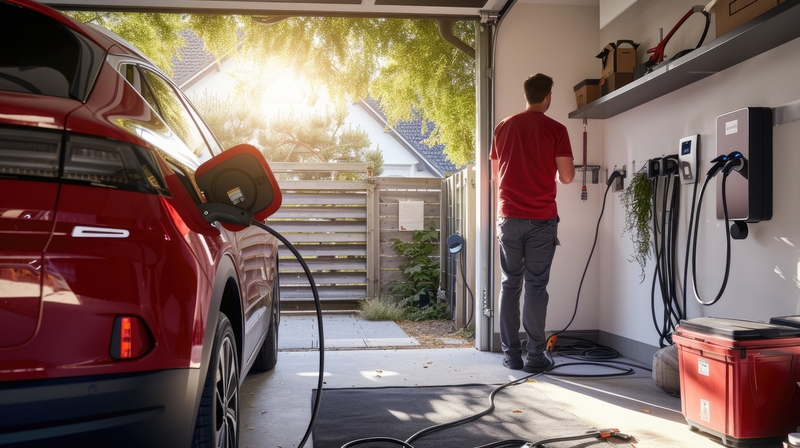
Electric vehicle ownership continues to expand across residential communities with growing expectations for dependable charging access. Home charging infrastructure supports consistent vehicle readiness while aligning with structured household transportation needs. Private charging access strengthens control over energy use and daily mobility planning. Professional consultation supports informed installation decisions and long-term system reliability.
1. Faster Home Charging With Higher Electrical Capacity
Level 3 ev charging stations deliver high-voltage direct current power suitable for residential charging requirements. This equipment supplies rapid energy transfer that reduces idle vehicle time between scheduled trips. Residential electrical systems may support higher amperage through approved panel and wiring upgrades.
Certified electricians assess load limits, circuit capacity, and safety compliance during installation planning. High-output power delivery ensures vehicles reach full charge within defined overnight periods. Consistent charging performance supports dependable transportation across demanding household schedules.
2. Long-Term Cost Control for Daily Electric Vehicle Use
Residential charging supports stable energy expense planning through fixed utility rate structures. Predictable billing patterns assist households with accurate monthly transportation budgeting. Private charging systems remove access fees associated with external network usage.
Direct household power delivery improves efficiency across repeated charge cycles. Utility providers may offer scheduled rate programs aligned with residential usage patterns. Cost clarity supports confident financial management for electric vehicle ownership.
3. Improved Convenience for Consistent Driving Schedules
Private charging access ensures vehicle readiness without reliance on public station availability. Vehicles remain fully powered according to planned household departure times. Dedicated home access removes waiting periods tied to shared charging equipment.
Charge scheduling aligns energy delivery with established household routines. This consistency supports families with recurring work and travel commitments. Daily mobility benefits from uninterrupted residential energy access.
4. Reduced Dependence on External Charging Infrastructure
Home charging infrastructure minimizes reliance on third-party station networks for routine vehicle energy needs. Consistent residential access supports uninterrupted transportation without location-based constraints. Household charging availability supports schedule stability across workdays and planned travel periods.
Reduced external dependency supports predictable energy access within familiar surroundings. Residential systems deliver confidence through consistent availability during routine use cycles. Transportation planning benefits from dependable in-home energy access.
5. Increased Property Value Through Energy Infrastructure
Permanent electric vehicle charging infrastructure adds functional value to residential properties. Homebuyers increasingly recognize private charging access as a practical feature. Professionally installed systems demonstrate thoughtful investment in property utility improvements.
Real estate listings highlight charging capability as a desirable household amenity. Electrical upgrades completed during installation of EV charging stations at home strengthen system reliability. These enhancements support stronger property appeal within evolving housing markets.
6. Greater Charging Control With Dedicated Residential Access
Private charging systems provide complete authority over vehicle energy management schedules. Custom settings align charge timing with household electrical demand patterns. Dedicated access reduces exposure to external service disruptions outside residential oversight.
Defined scheduling features support clear strategies aligned with household electrical demand patterns. Monitoring tools deliver accurate insights into energy usage and system performance. Consistent access supports reliable vehicle readiness across ownership periods. Controlled energy management strengthens confidence in daily transportation planning.
Residential charging infrastructure delivers clear benefits related to efficiency, reliability, and structured vehicle use. Households gain dependable energy access aligned with transportation routines and electrical capacity. Professional evaluation ensures safety compliance, system compatibility, and dependable performance outcomes. Level 3 ev charging stations at home support households seeking fast and consistent residential charging access. Scheduling a qualified assessment supports effective installation planning and long-term system value. Private charging access reinforces dependable electric vehicle ownership experiences.
Find a Home-Based Business to Start-Up >>> Hundreds of Business Listings.