









































You have tried bold walls and patterned textiles, yet the room still feels unfinished. Often the missing ingredient is light, both functional and expressive.
Before you sketch pendant drops or hidden LED strips, review local wiring limits, switch heights and load calculations.
The practical checklists from The Local Electrician translate creative sketches into safe, code-compliant plans so inspiration never clashes with regulations.
Layered Illumination Basics
Approach light the same way you layer fabrics: ambient for foundation, task for precision and accent for drama. When the three coexist, colors stay true, shadows soften and architectural details pop.
Ambient – The Essential Wash
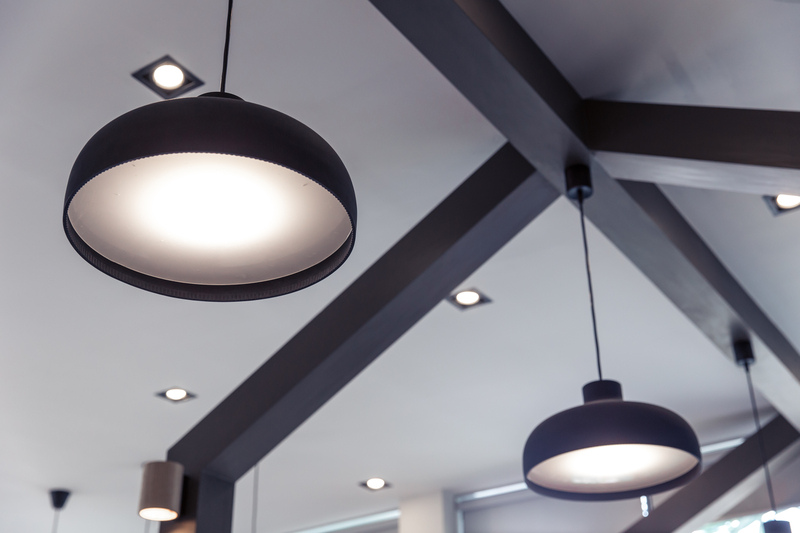
Recessed cans, pendants, and daylight combine to create a comfortable baseline that allows eyes to relax without flattening texture in vibrant interior designs.
Task – The Focus Factor
Brighter, tighter beams over work zones reduce glare and boost accuracy. Dimmable under-cabinet strips or swing-arm sconces erase shadows so chopping or sketching feels effortless.
Accent – The Storyteller
Directional spots, picture lights or plinth uplighters guide attention toward art, stone niches or that heirloom piano. Contrast instantly turns ordinary corners into conversation starters.
Pro-Level Planning
Sketch circuit runs before any drywall closes. Every junction box should earn its keep by feeding at least two layers – ambient plus either task or accent – ensuring flexibility for future upgrades.
Setting Atmospheric Tones
Great rooms feel intentional because their light adapts to mood. Consider color temperature, beam angle and reflectance, not just brightness.
- Create pools of light – Low-intensity pockets invite intimacy while background zones stay readable without glare.
- Vary heights – Floor lamps, eye-level sconces and lowered pendants add depth so ceilings look taller and furnishings appear sculptural.
- Swap shades creatively – Sheer linen, dark parchment or smoked glass each filters photons differently, granting instant seasonal flexibility.
- Avoid glare traps – Hide bare bulbs behind diffusers so skin tones stay flattering and guests remain comfortable for hours.
Lighting Individual Spaces
Entryways Welcome First
A slender chandelier paired with wall washers eliminates harsh shadows on faces and hints at the palette waiting deeper indoors.
Kitchens Drive Performance
Layer bright task bars under cabinets, high-CRI pendants above islands and toe-kick LEDs along bases. The trio ensures food looks appetising, blades stay visible and late-night snackers move safely.
Bedrooms Encourage Rest
Combine warm indirect coves, pinpoint reading lights and blackout automation. The mix supports circadian rhythms and protects partners from unwanted glare.
Ambient Versus Task
- Ambient equals orientation – It fills volumes, removing trip hazards and letting furniture read at a glance.
- Task equals action – Higher lux levels concentrate where precision matters, whether sorting thread or filing invoices.
- Balance prevents fatigue – If the ambient is far dimmer than the task, pupils work harder. Keep the task roughly three times ambient for easy comfort.
- Dim separately – Independent circuits let ambient soften for movie night while counters stay bright for popcorn prep.
Decorative Accent Techniques
Wall Grazing Drama
Mount linear LEDs close to brick or grass-cloth so raking angles exaggerate relief, delivering museum-quality dimension.
Hidden Recessed Uplight
Miniature fixtures atop tall cabinetry push soft light upward, visually extending ceilings and reducing the need for large pendants in vibrant interior designs.
In-floor Spot Surprises
Aimable uplights recessed into hardwood or terrazzo pick out sculptures, columns or giant fiddle-leaf figs, adding hospitality flair without clutter.
Smart Control Innovations
- App scenes – Store morning, work and evening presets so intensity, color and shades shift together with one tap.
- Voice integration – Hands full of groceries? Ask your assistant to raise entry lights to 80 percent.
- Occupancy sensors – Hallways and powder rooms illuminate only when needed, trimming bills and environmental impact
- Circadian cycles – Systems warm at dusk and cool at nox`on, aligning interiors with the solar day to improve alertness and sleep quality.
Choosing Ideal Bulbs
2700 K suits bedrooms, 3000 K living spaces and 4000 K kitchen prep. Cooler whites sharpen focus while warmer tones invite relaxation.
High CRI Matters
Select lamps rated 90+ CRI so reds stay rich, greens vivid and skin tones natural.
Lumen Budgeting
Think lumens, not watts: living rooms need roughly 15-20 per square foot; vanities 70-80. Accurate counts prevent both gloom and glare.
Maximising Natural Light
- Enlarge apertures – Taller windows or skylights push daylight deeper, reducing electrical loads.
- Bounce with reflection – Paint ceilings matte white and add mirrored furniture to scatter photons into rear corners.
- Choose sheer treatments – Lightweight fabrics temper midday sun but keep valuable lux levels.
- Open the plan – Fewer partitions let rays travel farther, improving wellness and energy efficiency.
Colourful Lighting Strategies
Tunable White Foundations
Fixtures that shift from 2000 K to 6500 K pivot seamlessly from candlelit dinners to energising workouts.
Accent Hues with Purpose
RGBW strips under vanities or behind headboards evoke ocean blues for relaxation or sunrise oranges for gentle waking in vibrant interior designs.
Event-Mode Overlays
Wash walls with brand colours or holiday themes. DMX tracks make dramatic transformations quick yet completely reversible.
Final Glow
When you layer, direct, and automate light, every room works harder for you—at home and workplace alike. A few strategic changes—dimmers, higher-CRI bulbs, reflective surfaces—reshape mood and function almost overnight. If the wiring scope exceeds DIY comfort, call a licensed professional; for instance, The Local Electrician for reliable help.
Find a Home-Based Business to Start-Up >>> Hundreds of Business Listings.


