









































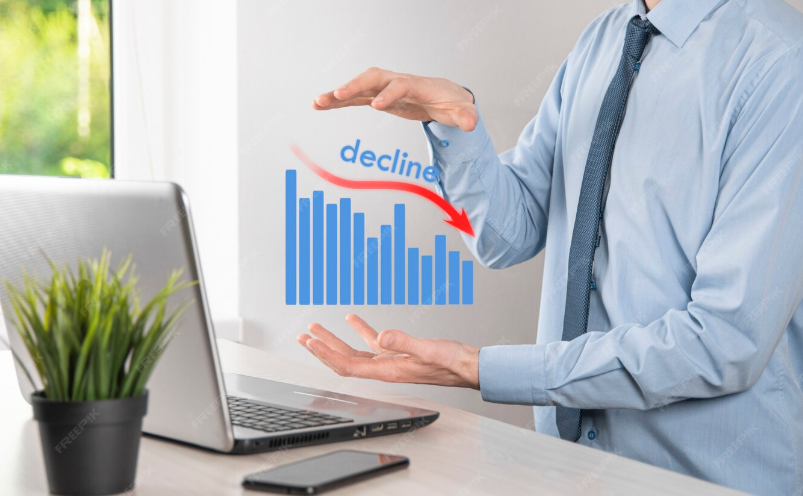
Revenue in a service based business rarely moves in a straight line. One month feels strong. The next feels uncertain. A large contract closes, then nothing new appears for weeks. Cash flow rises and falls like an uneven tide. That rhythm creates more than stress. It shapes decision-making, hiring confidence, and long-term planning.
The instability is not always incompetence. More often, it is structural design that has not yet matured.
1. Project-Based Income Creates Gaps
Many founders rely on one-time projects. Deliver the service. Invoice. Move on. That cycle works until it doesn’t. Without ongoing retainers in place, income relies heavily on continuous outreach and lead chasing. A service based business can deliver outstanding results for clients and still encounter uneven cash flow when future projects are not lined up before existing engagements conclude.
Momentum disappears between engagements. Planning becomes reactive instead of deliberate. Predictability rarely appears by accident.
2. Client Concentration Increases Risk
Sometimes a service based business depends heavily on two or three major clients. The revenue looks healthy on paper. Confidence rises. Then one client pauses spending. Or restructures. Or leaves entirely. Suddenly, income drops sharply.
Diversification is not just a marketing principle. It is financial insulation. Broader client distribution may reduce the shock of individual departures. Risk narrows when dependency narrows.
3. Pricing Models Undermine Stability
Hourly billing feels straightforward. Time worked equals money earned. Yet hourly structures limit scalability. Revenue ties directly to availability. When capacity maxes out, growth stalls.
Some founders hesitate to introduce retainers or subscription-based agreements. Clients might resist, it seems.
Actually, many clients value predictability too. Structured retainers create steadier income for both sides. A service based business that transitions part of its revenue into recurring agreements often gains visibility into future cash flow. Visibility strengthens confidence.
4. Lack of Cash Reserves Restricts Growth
Unstable income creates cautious behavior. Hiring pauses. Marketing investments shrink. Technology upgrades get delayed. Without a reserve buffer, every slow month feels threatening. That fear influences decision-making.
5. Sales Pipelines Are Inconsistent
Revenue instability often reflects pipeline inconsistency rather than service quality. A founder focuses heavily on client delivery during busy months. Marketing slows. Outreach stops. Content disappears. Then the projects end. New leads are scarce. The cycle repeats.
A service-based business that maintains steady visibility, even during peak workload, reduces this pattern. Marketing discipline becomes as essential as service excellence. Consistency supports continuity.
6. Capacity Is Not Structured for Scale
When demand rises suddenly, many founders stretch themselves thin. Delivery pressure increases. Burnout follows. Then performance dips. Referrals slow. Revenue volatility intensifies.
Capacity planning matters. Delegation. Defined processes. Strategic hiring. These steps transform a service based business from a reactive operator model into a structured growth engine. Growth requires design, not just demand.
Frequently Asked Questions
Why is revenue unstable in many service-based businesses?
Project-based contracts and inconsistent sales pipelines often create unpredictable monthly income fluctuations.
Can recurring revenue models improve stability?
Yes, retainer agreements and subscription services can create more predictable, manageable cash flow.
Should service founders build cash reserves?
Strong reserve funds reduce stress and allow strategic investment during slower revenue periods.
Does diversification reduce financial risk?
Serving multiple clients across industries may protect income when one sector slows unexpectedly.
Is instability always a negative sign?
Early-stage variability is common, but persistent instability often signals structural weaknesses.
Stability Enables Strategy
Revenue swings affect more than bank balances. They shape confidence, hiring decisions, and long-term ambition. A service-based business that adds recurring contracts, broadens its client base, maintains steady marketing, and gradually sets aside financial reserves gradually shifts from short-term firefighting toward structured, intentional growth. The difference is subtle at first. Then it becomes decisive.
Visit https://homebusinessmag.com/ to review case-driven strategies that may challenge short-term thinking and support durable expansion.
Revenue stability does not eliminate uncertainty. It creates enough predictability to make bolder, wiser decisions.
Find a Home-Based Business to Start-Up >>> Hundreds of Business Listings.